

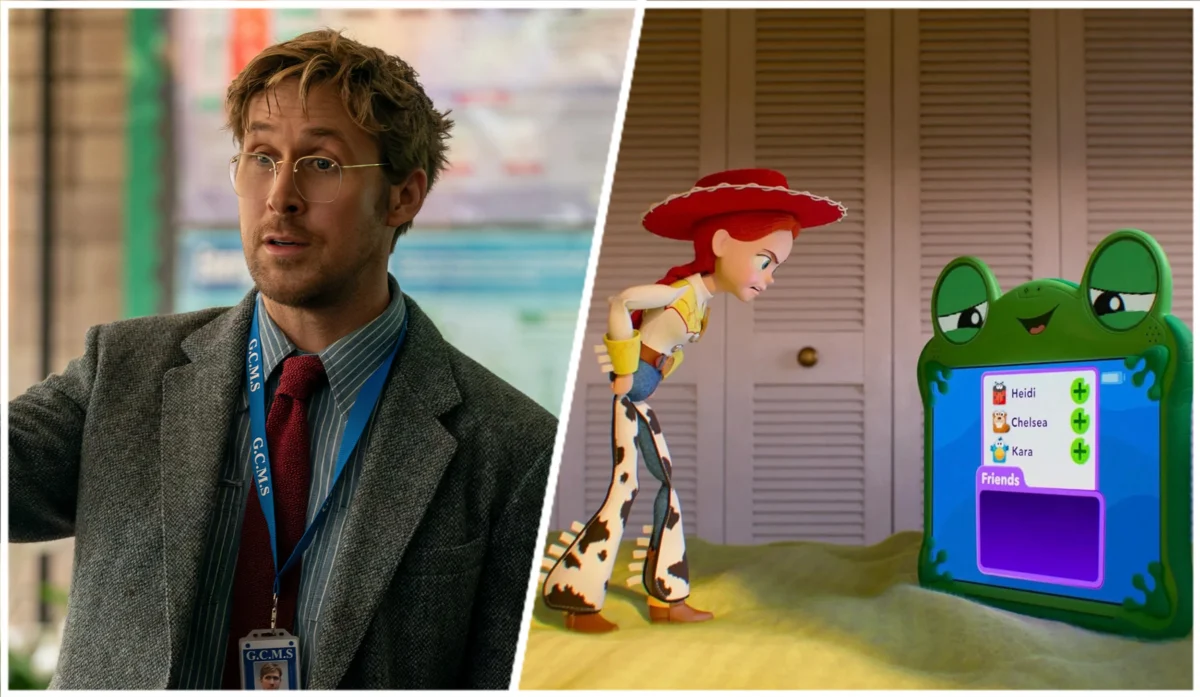
While the glitz and glamour of the Academy Awards remain months away, the cinematic landscape of 2026 has already provided a treasure trove of narrative ambition and technical achievement. For those eager to gauge the early frontrunners for next year’s golden statuettes, the Hollywood Creative Alliance (HCA) has provided a vital roadmap. On Friday, the HCA announced the nominations for the 2026 Astra Midseason Movie Awards, a prestigious bellwether that honors the most compelling films released during the first half of the calendar year.
Leading the pack with an impressive seven nominations is the science-fiction epic Project Hail Mary. The film’s dominant showing serves as a testament to its widespread critical appeal, securing nods in every category for which it was eligible. As the industry turns its gaze toward the remainder of the year, these nominations offer more than just a summary of past success—they provide a definitive snapshot of the 2026 cinematic zeitgeist.
The Frontrunners: A Season of High-Concept Storytelling
The 2026 Astra Midseason Movie Awards have highlighted a specific trend toward genre-defying narratives. Project Hail Mary stands at the vanguard of this movement. With nominations for Best Picture, Best Director (Phil Lord and Chris Miller), Best Screenplay, and major acting nods for Ryan Gosling, Sandra Hüller, and James Ortiz, the film has firmly established itself as a primary contender for the upcoming awards circuit. Its technical prowess was further recognized with a nomination for Best Stunts, underscoring the film’s ability to marry high-stakes spectacle with intimate, character-driven drama.
Hot on its heels is 28 Years Later: The Bone Temple, which secured six nominations. Directed by Nia DaCosta, the film has captivated both audiences and critics, marking a significant entry in the horror-thriller space. Meanwhile, Backrooms, Obsession, and The Invite each earned five nominations, signaling a highly competitive field in which no single project has managed to achieve total hegemony.
Other notable contenders include Disclosure Day, The Drama, and Send Help, each earning four nominations. The list is rounded out by the idiosyncratic Nirvanna the Band the Show the Movie and the box-office juggernaut Toy Story 5, both receiving two nominations.

A Chronology of Critical Recognition
The Astra Midseason Movie Awards function as a midpoint check-in for the film industry. Unlike the year-end awards that often suffer from "recency bias," the Midseason Awards ensure that films released in the quiet months of January and February receive the same level of scrutiny as the tentpole blockbusters that dominate the summer.
Q1 and Q2: The Highlights
The first half of 2026 proved that audiences were hungry for both fresh intellectual property and daring sequels. Toy Story 5, for instance, broke historical trends by becoming the only animated film to secure a spot in the Best Picture lineup. Its inclusion—alongside a Best Screenplay nod—reflects a growing appreciation for animation’s capacity to handle complex themes, a trend the Academy has been increasingly receptive to in recent years.
The nominations were announced this past Friday, providing a clear narrative arc for the year thus far. Industry analysts have already begun mapping these nominations against the HCA’s criteria, noting that the diversity of the slate—ranging from the high-octane stunts of Mortal Kombat II to the nuanced, character-focused performances in Tuner—speaks to a robust theatrical market that is finding its footing after several years of volatility.
Analytical Breakdown: Supporting Data and Category Trends
The depth of the 2026 field is perhaps best illustrated by the sheer variety of talent appearing in the major categories.
Performance and Directorial Mastery
The Best Actor category is a particularly fierce battleground. Ryan Gosling’s turn in Project Hail Mary faces stiff competition from Ralph Fiennes’ haunted performance in 28 Years Later: The Bone Temple, as well as Robert Pattinson in The Drama. Similarly, the Best Actress race features a fascinating mix of seasoned veterans and rising stars, with Zendaya (The Drama), Margot Robbie (Wuthering Heights), and Emily Blunt (Disclosure Day) all vying for the top honor.

The Best Director category reflects a similar level of prestige, featuring a blend of auteurs and visionaries. From the collaborative precision of Lord and Miller to the atmospheric world-building of Kane Parsons in Backrooms and the sharp directorial voice of Nia DaCosta, the nominees represent a diverse cross-section of current filmmaking styles.
Genre Recognition
The HCA continues to emphasize the importance of genre filmmaking. By creating specific categories like "Best Horror Film" and "Best Stunts," the Astra Awards validate the hard work that goes into craft-heavy cinema. 28 Years Later: The Bone Temple, Backrooms, and Obsession dominate the horror category, while the "Best Stunts" category highlights the physical dedication required for films like Masters of the Universe and The Furious.
Official Perspectives: The HCA’s Vision
Matt Weiss, the Executive Vice President of the Astra Awards, emphasized the intentionality behind this year’s nominations. "This year’s nominees reflect the incredible diversity and creativity that audiences have experienced in theaters during the first half of 2026," Weiss noted in a statement. "From groundbreaking blockbusters and acclaimed independent films to emerging talent and visionary filmmakers, these nominations showcase a wide assortment of films released so far as we head into the second half of the year."
The HCA’s commitment to "emerging talent" is evident in the Best Independent Film category, which features smaller, intimate projects like Blue Heron and Leviticus. By elevating these films, the Astra Awards ensure that the conversation remains inclusive of voices that might otherwise be drowned out by the noise of massive franchise marketing campaigns.
Implications: The Road to the Oscars
What does this mean for the 2027 Oscars? While it is too early to predict the Academy’s final roster, the Astra Midseason Awards serve as a vital "shortlist" of sorts. Films like Project Hail Mary have successfully captured the industry’s attention early, creating a momentum that is difficult to stop.

Moreover, the "Most Anticipated Film" category for the second half of 2026 provides a glimpse into the battles yet to come. With Avengers: Doomsday, Dune: Part Three, and The Social Reckoning looming on the horizon, the second half of the year promises to be just as competitive as the first. The films that manage to bridge the gap—those that achieve both critical acclaim in the spring and massive cultural footprint in the winter—are the ones most likely to dominate the awards season come early 2027.
The winners of the 2026 Astra Midseason Movie Awards will be announced on June 30. The ceremony will unfold across the Astra Awards’ social media channels, beginning at 9 a.m. PT. As the industry watches, the results will likely confirm which of these early-year contenders have the legs to go the distance, and which newcomers will challenge the status quo before the calendar year closes.
Summary of Nominations (Key Categories)
- Best Picture: 28 Years Later: The Bone Temple, Backrooms, Disclosure Day, Nirvanna the Band the Show the Movie, Obsession, Project Hail Mary, Send Help, The Drama, The Invite, Toy Story 5.
- Best Director: Curry Barker (Obsession), Kane Parsons (Backrooms), Matt Johnson (Nirvanna the Band the Show the Movie), Nia DaCosta (28 Years Later), Olivia Wilde (The Invite), Phil Lord & Chris Miller (Project Hail Mary).
- Best Actor: Chiwetel Ejiofor (Backrooms), Jaafar Jackson (Michael), Leo Woodall (Tuner), Ralph Fiennes (28 Years Later), Robert Pattinson (The Drama), Ryan Gosling (Project Hail Mary).
- Best Actress: Emily Blunt (Disclosure Day), Inde Navarrette (Obsession), Keke Palmer (I Love Boosters), Margot Robbie (Wuthering Heights), Rachel McAdams (Send Help), Zendaya (The Drama).
As we look toward the June 30th announcement, one thing remains clear: 2026 has been a year of remarkable cinematic output. Whether these midseason winners can translate their success into Academy gold remains the defining question of the year. For now, audiences and critics alike have plenty of high-quality cinema to discuss.
 Ammar Sabilarrohman
 Siti Muinah
 Iffa Jayyana
