

Published: October 11, 2026, 12:00 PM EDT
Author: Jacob Kleinman
Main Facts: A Modern Reimagining of a Horror Cornerstone
Prime Video’s upcoming television adaptation of Stephen King’s seminal 1974 horror novel, Carrie, is poised to upend decades of cinematic convention. Spearheaded by master of modern horror Mike Flanagan, the series tears the legendary story of telekinesis, religious zealotry, and high school cruelty down to its structural studs to build something radically contemporary.
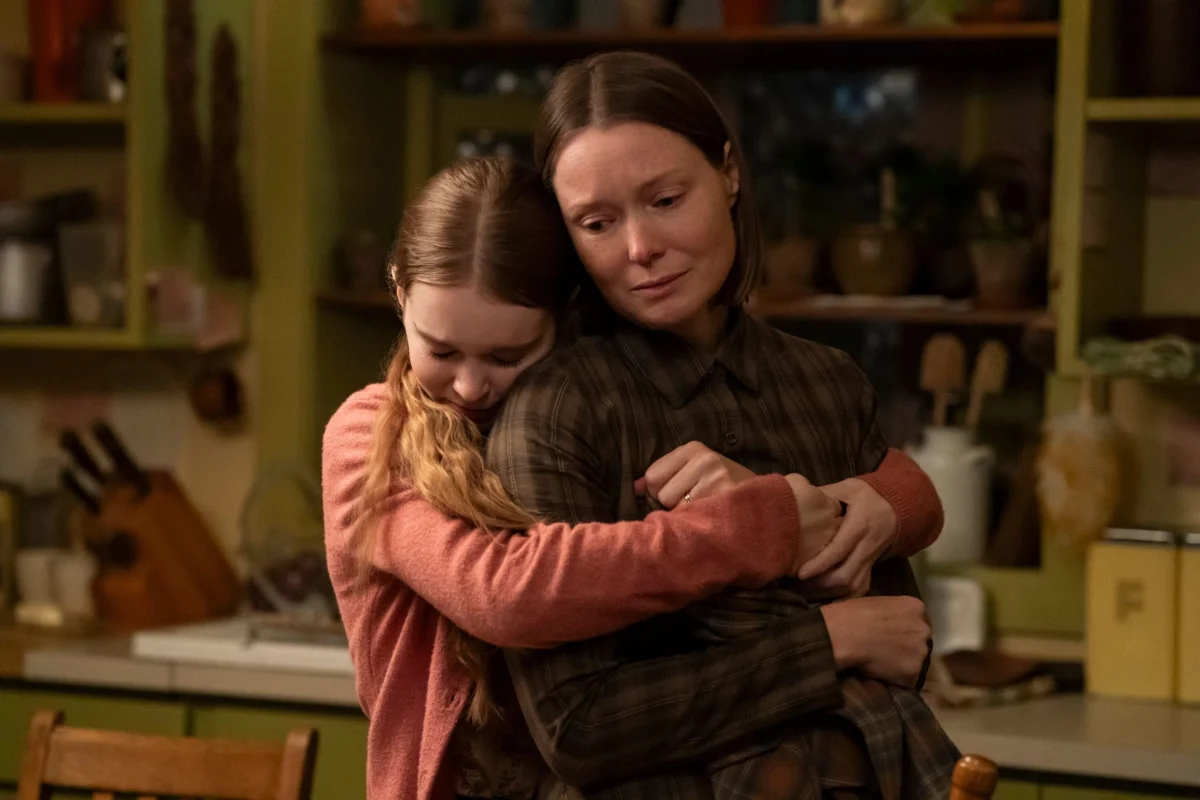
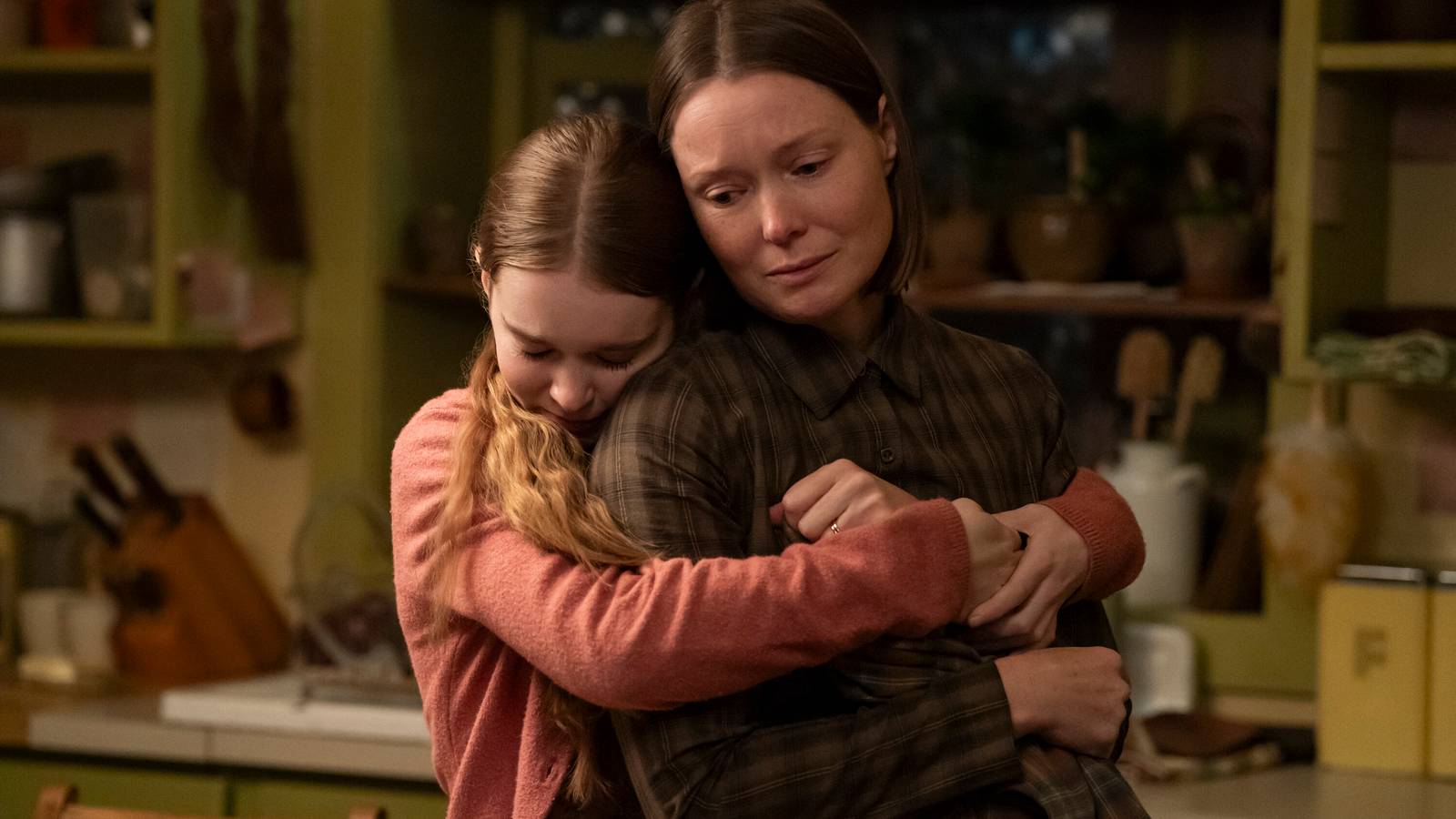
At the absolute center of this reimagining is Samantha Sloyan, Flanagan’s frequent collaborator, who tackles the iconic role of Margaret White—Carrie’s deeply disturbed, overprotective mother. Eschewing the one-dimensional, cartoonishly fanatical monster portrayed by Piper Laurie in Brian De Palma’s legendary 1976 film, Sloyan and Flanagan have refashioned Margaret into a tragic, deeply complex figure whose actions, however destructive, are ultimately born from a profound, if profoundly warped, maternal love.
Unlike past iterations that painted Carrie’s domestic life as an unmitigated house of horrors from minute one, Flanagan’s series introduces genuine affection and nuance into the White household, setting the stage for an explosive, socially relevant exploration of digital-age bullying, internet mob mentality, and the terrifying weaponization of parental protection.
Chronology: From King’s Page to Flanagan’s Screen
To understand the magnitude of the narrative gamble Prime Video and Mike Flanagan are taking, one must trace the evolution of Carrie across its historical milestones:
- 1974: Stephen King publishes his debut novel, Carrie, detailing the telekinetic wrath of a bullied high school outcast dominated by her religious zealot mother, Margaret.
- 1976: Director Brian De Palma releases the definitive cinematic adaptation starring Sissy Spacek as Carrie and Piper Laurie as Margaret. Laurie’s performance establishes a template for Margaret White as a screaming, terrifying fanatic devoid of maternal warmth.
- 1999 & 2002 & 2013: Various subsequent adaptations—including a stage musical, a 1999 sequel (The Rage: Carrie 2), a 2002 television film, and a 2013 theatrical remake starring Chloë Grace Moretz and Julianne Moore—largely retread the traditional beats established by De Palma, keeping Margaret safely boxed into the archetype of the abusive zealot.
- 2023–2025: Mike Flanagan signs an overall deal with Amazon MGM Studios, subsequently turning his attention toward developing a multi-episode television series adaptation of Carrie for Prime Video, casting his trusted ensemble player Samantha Sloyan as Margaret.
- October 2026: First-look images and press details drop, revealing a modern update where Margaret utilizes social media to combat school bullies, signaling a dramatic departure from the source material’s 1970s insulated setting.
Supporting Data: The Anatomy of Flanagan’s Troupe and Sloyan’s Evolution
Samantha Sloyan’s ascent within the prestige horror landscape has been defined by her remarkable versatility. Over the past decade, she has become a linchpin of Mike Flanagan’s creative output, transitioning seamlessly from empathetic supporting players to skin-crawling antagonists.
| Project | Character | Role Type | Core Dynamic / Impact |
|---|---|---|---|
| The Haunting of Hill House (2018) | Leigh Crain | Empathetic / Grounded | A calming, stable presence amidst psychological devastation. |
| Midnight Mass (2021) | Bev Keane | Villainous / Fundamentalist | An unrepentant, scheming, self-righteous zealot who manipulates faith for personal power. |
| The Midnight Club (2022) | The Herbalist | Witchy / Mysterious | Keeper of dark secrets within a hospice setting. |
| Carrie (Prime Video, 2026) | Margaret White | Complex / Tragic Mother | A modern parent attempting to shield her daughter, whose protective instincts spiral into a viral nightmare. |
Sloyan’s performance as Bev Keane in Midnight Mass remains a masterclass in playing characters devoid of self-awareness. Yet, as Flanagan notes, Sloyan achieves this not through cynicism, but through a radical, empathetic commitment to her characters’ internal logic.
Official Responses: Inside the Creative Process
In an exclusive interview over Zoom, Samantha Sloyan and showrunner Mike Flanagan detailed the philosophical underpinnings of the Prime Video series, shedding light on why Margaret White required a complete architectural overhaul.

Flanagan did not mince words when assessing his leading lady, stating bluntly, "She’s honestly one of the best actors I’ve ever met."
Expanding on Sloyan’s unique superpower as an actress, Flanagan observed the inherent paradox in casting one of Hollywood’s kindest performers as its most terrifying antagonists:
"It’s so counterintuitive because Sam is maybe the least villainous person I’ve ever met. Sam’s one of the kindest, most egoless people I’ve ever encountered. That’s one of the things that makes her so extraordinary. Sam approaches the world with a profound empathy and she approaches these villainous characters with the same empathy. She’s very fast to say, ‘Oh yes, I know that they’re an antagonist. I know that they’re a villain, but not in their mind. In their minds, they’re the hero, they’re the victim.’ She leans so fully into that perspective and is so determined to truly see the world through their eyes."
For her part, Sloyan emphasized that Mike Flanagan’s vision for Carrie necessitated breaking down the narrative "to its foundation and then rebuilding it as a different structure." According to Sloyan, the primary engine of this structural change is the mother-daughter dynamic.
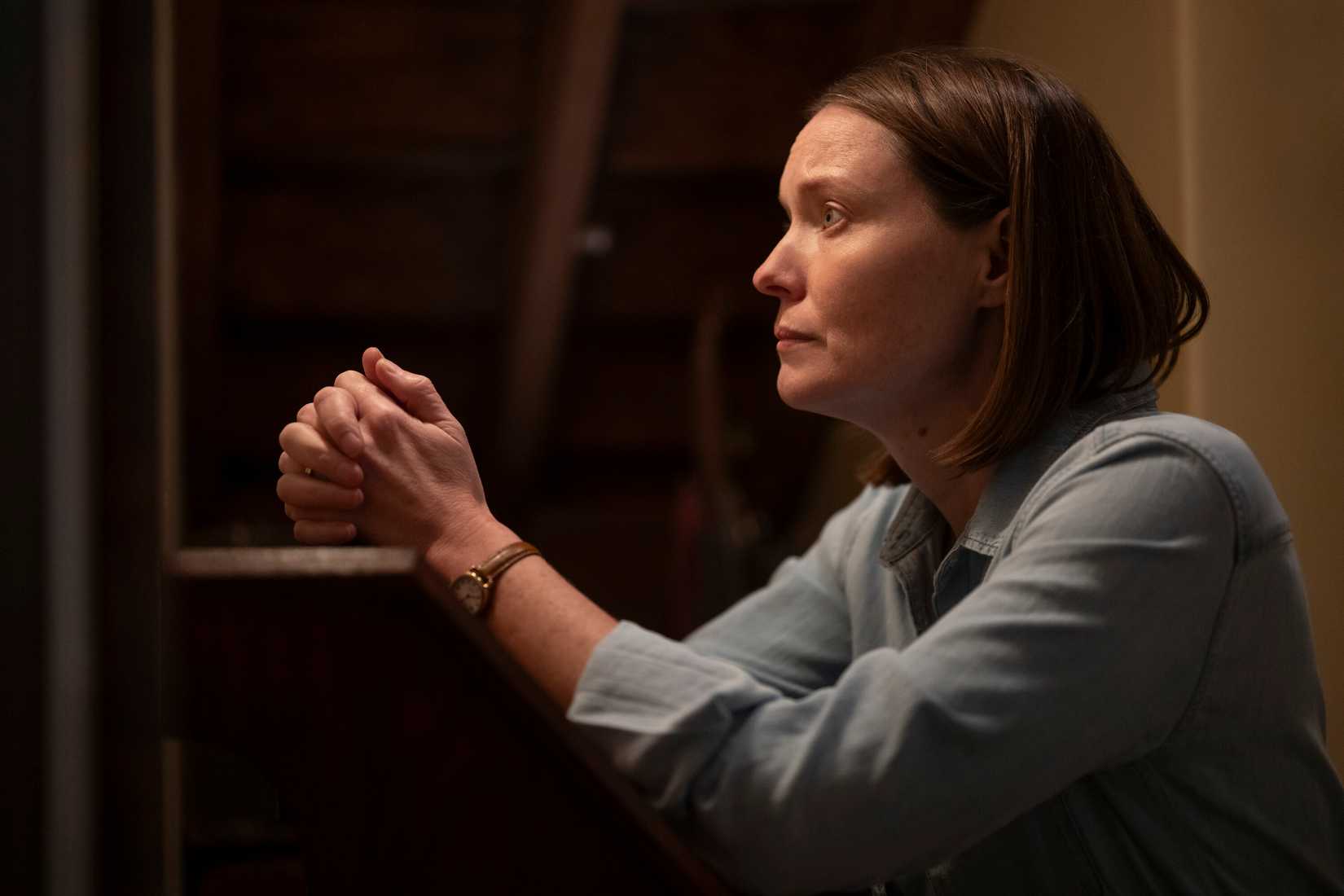
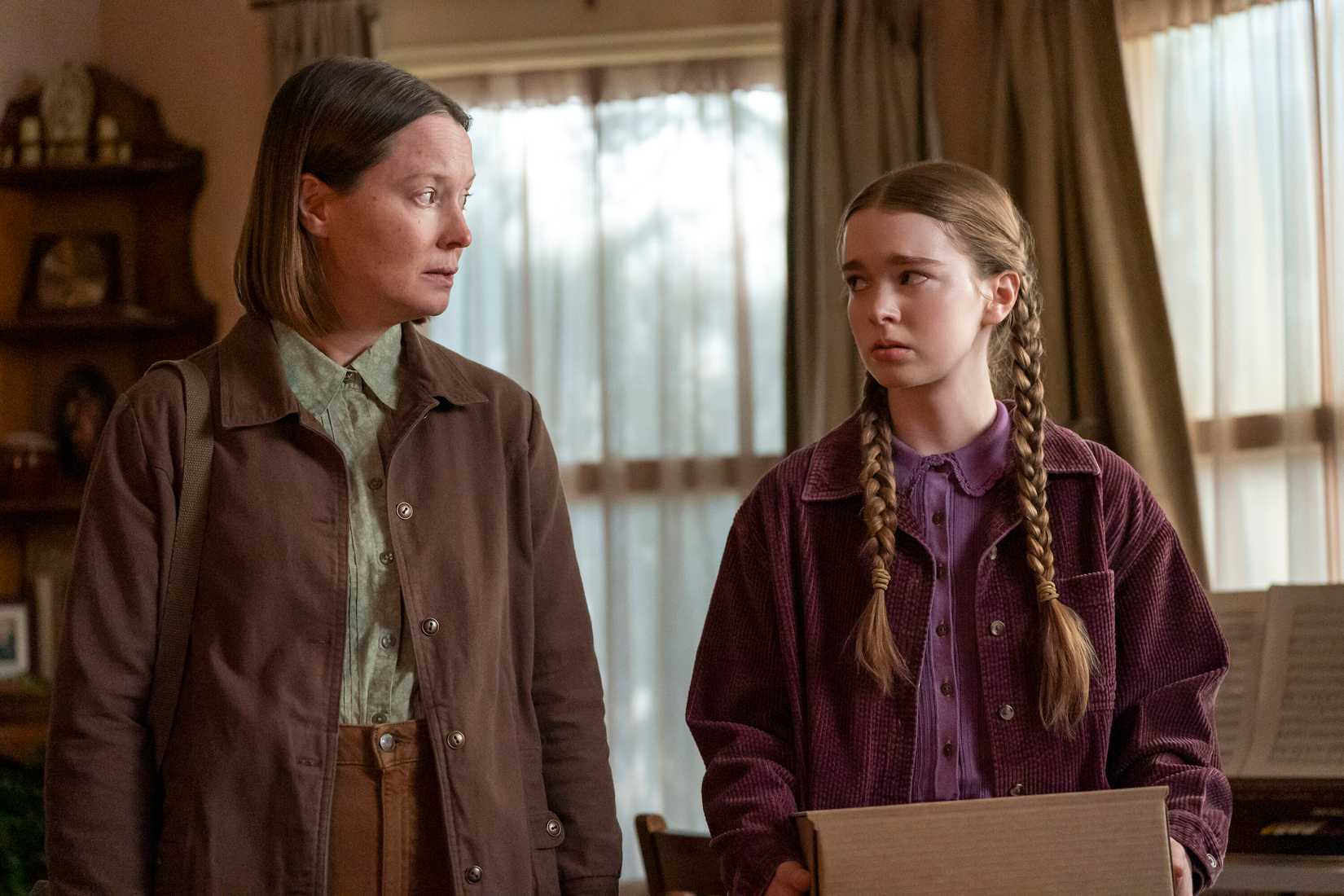
"I think she fails her daughter in a lot of ways," Sloyan tells Polygon. "She’s loving her in the wrong way… Mike’s point of view for this — of ‘why Carrie?’ — was to bring everything down really to its foundation and then rebuild it as a different structure in a lot of ways. A big portion of that is Margaret. He really wanted Margaret and Carrie’s relationship to be a loving mother and daughter. And if you do that, you’re really fundamentally changing Margaret and Carrie’s storyline."
Sloyan elaborates on how this foundation affects Carrie’s psychological readiness to face the world:
"Carrie may not have an ease with interacting with the world, but she has a real interest in it. To have that, Carrie can’t come from a monstrous home. We know she came from a mother and father, and we see he really cared for her, educated her, wanted her safe."
Flanagan echoes this sentiment, summarizing Margaret’s trajectory in the new series:
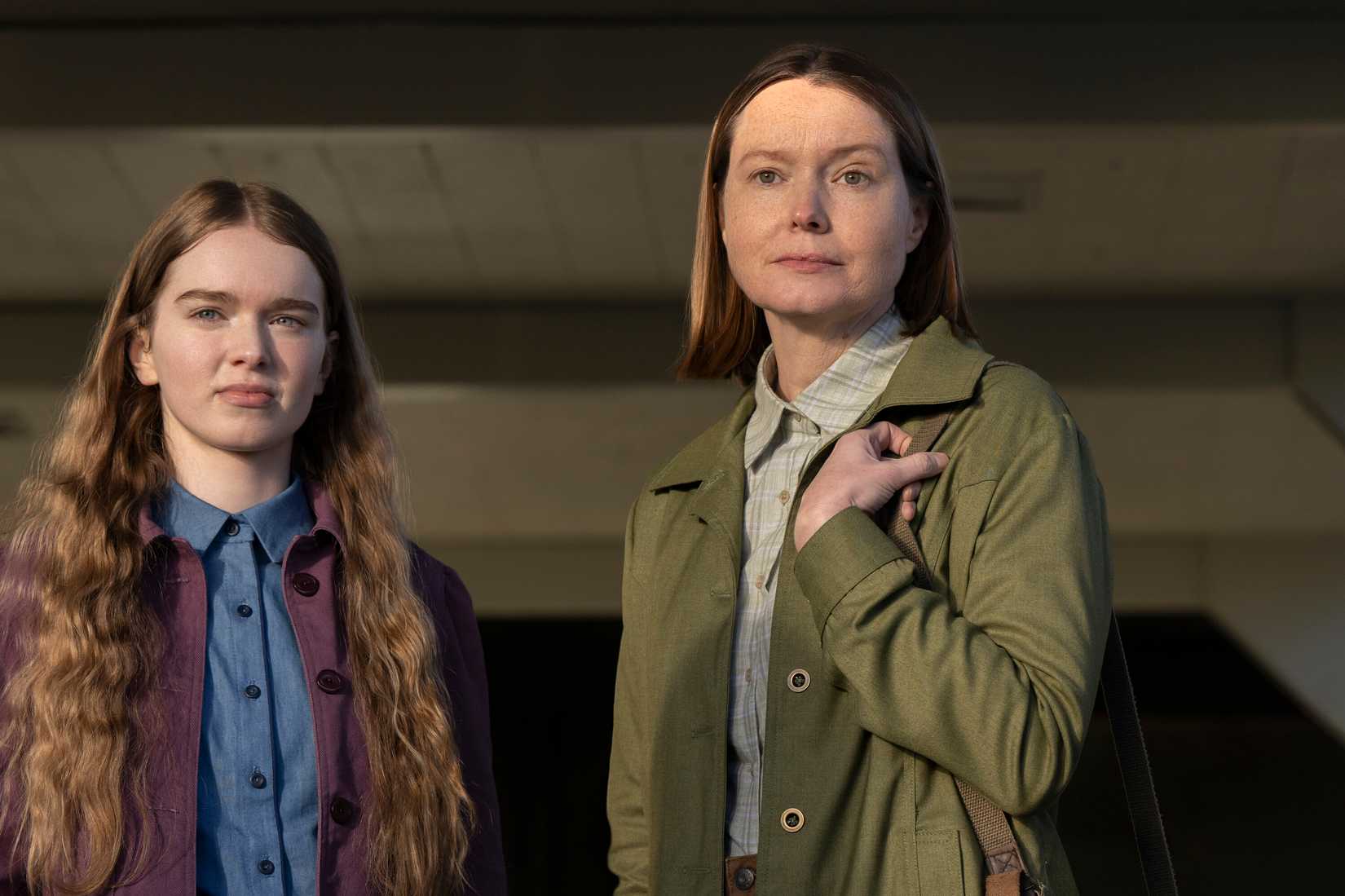
"Every decision she makes is driven by love. It’s a misguided love, and a frightening love by the end. That’s just something Sam is so capable of doing — that level of commitment and perspective."
Implications: How Modernizing Carrie Changes the Horror Landscape
The implications of Prime Video’s Carrie adaptation extend far beyond a fresh coat of paint on a classic IP. By modernizing the mechanisms of cruelty, the series bridges the gap between mid-century Gothic horror and the hyper-connected terrors of the 2020s.
1. The Weaponization of Social Media
In the original novella and De Palma’s film, Carrie’s torment was localized to the locker room showers and the high school prom. In Flanagan’s adaptation, the bullying is updated to reflect contemporary digital cruelty. Tormentor Chris Hargensen (played by Alison Thornton) sets up an anonymous Instagram account dubbed "Carrie Red" to broadcast vicious rumors school-wide.
Crucially, Margaret’s reaction to this modern threat is entirely unpredictable. Instead of isolating Carrie behind closed doors from the outset, Margaret initially engages with the digital landscape, weaponizing social media to expose "Carrie Red" and ignite a digital anti-bullying crusade.
2. The Danger of Performative Digital Justice
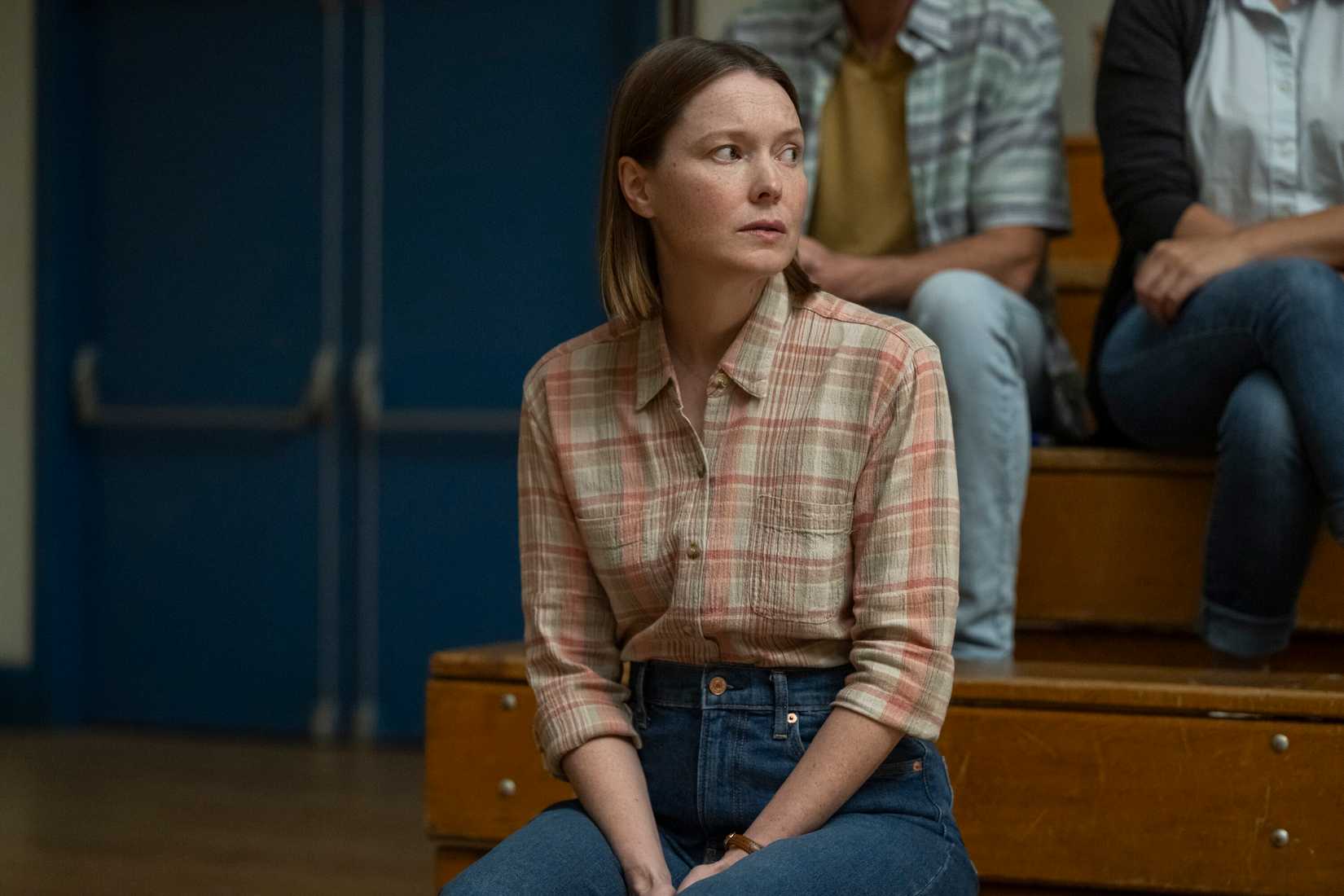
However, the narrative subversion deepens when Margaret becomes intoxicated by the attention and influence afforded by her online crusade. Rather than remaining a static religious fanatic, she finds herself seduced by internet clout, allowing her protective crusade to morph into an uncontrolled, violent ideological movement.
As Sloyan notes:
"She drank the Kool-Aid and is excited by the attention. Now, if you ask Margaret, I think she would deny that completely, but we see as the audience that she’s just as susceptible to the charms of the internet as everybody else is."
This thematic choice transforms Margaret White from an antiquated religious trope into a startlingly modern cautionary tale about algorithmic radicalization, performative outrage, and the intoxicating allure of digital mob justice.
3. Redefining the Sympathetic Antagonist
By refusing to frame Margaret as an irredeemable monster from scene one, Sloyan and Flanagan achieve a far more disturbing psychological realism. When a mother’s suffocating, misguided love turns toxic—backed by the terrifying reach of digital infrastructure—the resulting tragedy feels less like a supernatural anomaly and more like an inevitable product of modern societal pressures.
As the television industry continues to mine legacy intellectual properties for streaming content, Prime Video’s Carrie establishes a high-water mark for how to successfully deconstruct, update, and humanize a horror classic without losing the terrifying essence that made it immortal in the first place.
 Nila Kartika Wati
 Nana Wu
