

The San Francisco Bay Area arts ecosystem is emerging from a period of profound volatility, characterized by high-profile corporate acquisitions, sudden non-profit closures, and a powerful grassroots counter-offensive driven by institutional grit. Despite the systemic shocks that have rattled the region over the past year—most notably the hostile-feeling tech takeover of the California College of the Arts (CCA) and the momentary collapse of historic photography bastions—the local creative community is staging a resilient comeback.
As the region ushers in its fall 2026 arts season, anchored by the third annual Nexus: SF / Bay Area Black Art Week, cultural institutions are leaning heavily into the area’s rich history of political printmaking, activist art, and community organizing. Featuring major retrospectives of luminaries like Dread Scott and Azzedine Alaïa alongside nimble pop-ups and local institutional surveys, this autumn offers a diverse and defiant roadmap for the future. Far from folding under economic pressures, the Bay Area art scene is laying the groundwork for a triumphant cultural renaissance heading into 2027.
Main Facts: Navigating Corporate Incursions and Institutional Resilience
The current landscape of Bay Area contemporary art is defined by a tense tug-of-war between encroaching tech capital and fiercely independent creative infrastructure.
Earlier this year, the California College of the Arts experienced a radical structural shift when NVIDIA CEO Jen-Hsun (Jensen) Huang injected $75 million into the institution, effectively buying and rebranding the San Francisco art campus. While framed as a philanthropic investment to bridge the worlds of technology and design, the move triggered widespread anxiety among students, faculty, and local critics regarding the corporatization of art education and the displacement of autonomous creative thought.
Concurrently, the local non-profit sector faced near-catastrophic instability. SF Camerawork—a foundational pillar of the region’s photography community for five decades—abruptly announced its permanent closure due to insurmountable financial pressures. However, in a stunning display of community mobilization and philanthropic intervention, the institution was fortuitously saved, securing new leadership and a revised board that successfully orchestrated a reopening.
These twin narratives of corporate takeover and grassroots salvation form the backdrop for the fall 2026 season. Rather than retreating, Bay Area curators and artists are confronting these systemic challenges head-on, utilizing exhibition spaces to interrogate power, history, and community survival.
Chronology: A Turbulent Year Leading to a Fall Renaissance
To understand the momentum driving the current fall art calendar, one must trace the rapid-fire sequence of institutional disruptions and recoveries that have shaped the Bay Area over the past twelve months:
- Late 2025: KADIST makes the painful decision to close its physical gallery space in San Francisco, dealing yet another heavy blow to a local gallery market already reeling from post-pandemic economic shifts and rising commercial overheads.
- Early 2026: NVIDIA CEO Jensen Huang announces a $75 million acquisition and rebranding of the California College of the Arts campus, sparking intense regional debates over tech-money influence in higher education and the arts.
- Mid 2026: SF Camerawork shocks the cultural community by abruptly announcing its immediate closure after 50 years of championing experimental photography.
- Summer 2026: Following intense advocacy and structural restructuring, SF Camerawork reverses its closure, announcing a triumphant reopening under new leadership. KADIST also announces a strategic partnership with the Minnesota Street Project to return to physical programming via pop-up exhibitions.
- September 2026: The fall season officially launches, anchored by the third annual Nexus: SF / Bay Area Black Art Week. Major institutional surveys open across the region, featuring politically charged works by Dread Scott, Dewey Crumpler, Irving Norman, and intimate collaborative projects exploring printmaking, video, and sculptural design.
Supporting Data: Exhibitions Defining the Fall 2026 Season
The autumn cultural calendar is packed with blockbuster surveys, community-led festivals, and incisive group shows that highlight the multifaceted nature of the Bay Area creative sphere.
Nexus: SF / Bay Area Black Art Week
Now in its third consecutive year, this vital initiative serves as the ideological and cultural nucleus of the fall season. By spotlighting Black artists, curators, and cultural producers across multiple venues, Nexus reinforces the foundational contributions of Black creatives to the region’s artistic identity.
Closer Reading: Three Bay Area Book Artists
- Location: California College of the Arts Campus Gallery (1480 17th Street, San Francisco)
- Dates: Through October 23, 2026
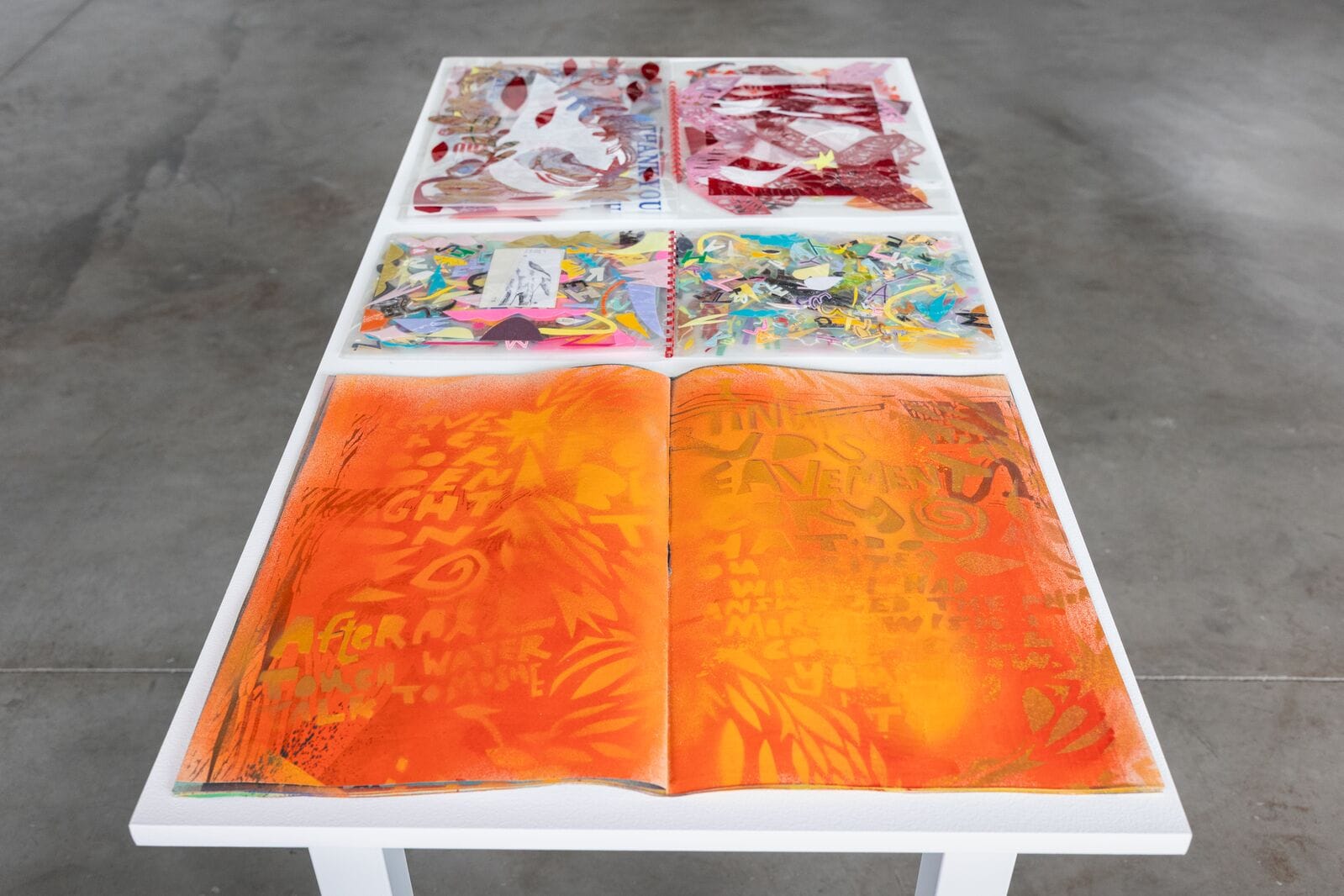
- Overview: Supported by the San Francisco Advocacy for the National Museum of Women in the Arts, this exhibition brings together Vivian Sming, Macy Chadwick, and Kate Laster. Each artist investigates the fertile ground where printmaking, publishing, and political activism intersect. By convening these three contemporary bookmakers, the exhibition pays homage to the Bay Area’s legendary lineage of independent publishing and radical book art.
Character Development
- Location: KADIST and Minnesota Street Project (1201 Minnesota Street, San Francisco)
- Dates: Through October 31, 2026
- Overview: Marking KADIST’s triumphant return to physical programming following the closure of its standalone gallery space last year, this collaborative pop-up features six contemporary video artists—including heavyweights Martine Syms and Alex Da Corte. The exhibition uses film history and experimental installation to dissect modern social structures, proving that KADIST’s curatorial vision remains uncompromised by real estate shifts.
Blockbuster Surveys: Dread Scott and Azzedine Alaïa
Beyond these group showcases, the region is hosting massive museum-scale presentations. A powerful survey of Dread Scott’s body politic brings his uncompromising socio-political critiques—ranging from flag-burning controversy to speculative revolutionary futures—to local audiences. Simultaneously, a lavish retrospective dedicated to the sculptural garments of fashion master Azzedine Alaïa offers a masterclass in form, structure, and timeless design.

Official Responses and Stakeholder Perspectives
The intersection of tech wealth, real estate precarity, and artistic autonomy has drawn sharp commentary from local arts advocates, educators, and institutional leaders.
When the news broke regarding Jensen Huang’s $75 million injection into CCA, student unions and faculty groups voiced cautious skepticism. While administration officials lauded the capital infusion as a necessary modernization of facilities and technology integration, critical theorists within the arts community questioned the long-term ideological implications of naming art campuses after trillion-dollar tech executives. The consensus among independent critics is that while financial lifelines are necessary for institutional survival, they must not come at the cost of pedagogical freedom or critical dissent.
Conversely, the community response to the salvation of SF Camerawork and KADIST’s collaborative pivot with the Minnesota Street Project has been overwhelmingly positive. Board members and newly appointed directors of SF Camerawork emphasized that the non-profit’s survival is a testament to the tenacity of local photographers and patrons who refused to let a legacy institution fade quietly.
Similarly, representatives from the Minnesota Street Project highlighted that pop-up models and institutional partnerships represent the future of urban art infrastructure—fluid, adaptable, and mutually supportive in the face of prohibitive commercial rents.
Implications: Setting the Stage for a 2027 Comeback
The trials and triumphs of 2026 carry profound implications for the future trajectory of the San Francisco Bay Area art scene.
For years, critics have sounded the alarm over the exodus of working-class artists, independent galleries, and mid-sized non-profits priced out by the tech boom and subsequent economic corrections. The closures of KADIST’s original space and SF Camerawork were viewed by many as death knells for the traditional brick-and-mortar gallery model in San Francisco.
However, the events of this fall paint a more complex, hopeful picture. By pivoting toward strategic partnerships (such as KADIST’s residency at Minnesota Street Project), leaning into specialized historical strengths (such as print and book arts at CCA), and rallying collective philanthropic power around cultural staples (such as Nexus and SF Camerawork), the Bay Area arts community is proving its structural adaptability.
As these diverse exhibitions draw crowds through October and anticipation builds for the winter programming, one thing is abundantly clear: San Francisco’s art scene is not broken; it is transforming. The resilience forged through this year’s trials is setting a high-stakes, highly motivated tone for a full-scale cultural comeback in 2027.
 Basiran
 Muslim
 Evan Lee Salim
