As the sun sets prematurely on the summer season and autumn officially takes hold of the cultural calendar, the international art world finds itself at a dizzying crossroads. Galleries are launching high-profile fall programs, art fairs are crowding calendars from coast to coast, and critics are reflecting on a blockbuster season dominated by major institutional debacles, fierce debates over national representation, and profound geopolitical tensions.
In this comprehensive roundup of the global art landscape, cultural publication Hyperallergic recently unpacked the hits and misses of the 61st Venice Biennale, addressed major institutional fallout surrounding the upcoming documenta 16 exhibition in Germany, and explored local grassroots revivals from Bushwick to Chicago.
Main Facts: A Season Defined by Critique and Controversy
The current cultural cycle is marked by a unique blend of international reckoning and localized artistic endurance. Key developments include:
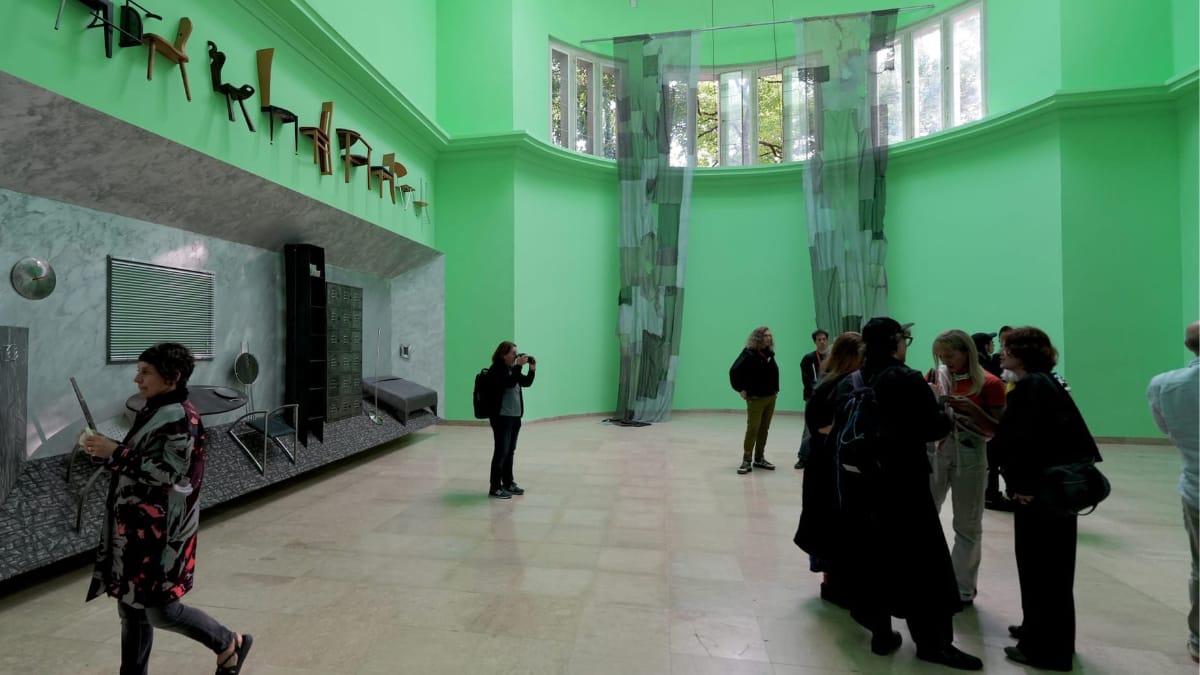
The Venice Biennale Post-Mortem: Following their initial praise for standout national presentations at the 61st Venice Biennale (running through November 22), Editor-at-Large Hrag Vartanian and critic Aruna D’Souza published a scathing critique detailing the national pavilions that "missed the mark."
Documenta 16 Boycotts: Documenta artistic director Naomi Beckwith confirmed that multiple artists have officially pulled out of the upcoming documenta 16 exhibition in protest of Germany’s official political stance and policies regarding the ongoing crisis in Gaza.
Grassroots Resilience in New York: Artist, writer, and native Brooklynite Danielle De Jesus reported on the vibrant state of Bushwick Open Studios, highlighting a surprising and heartening resurgence of native New Yorkers continuing to create work within the five boroughs despite intense gentrification and displacement.
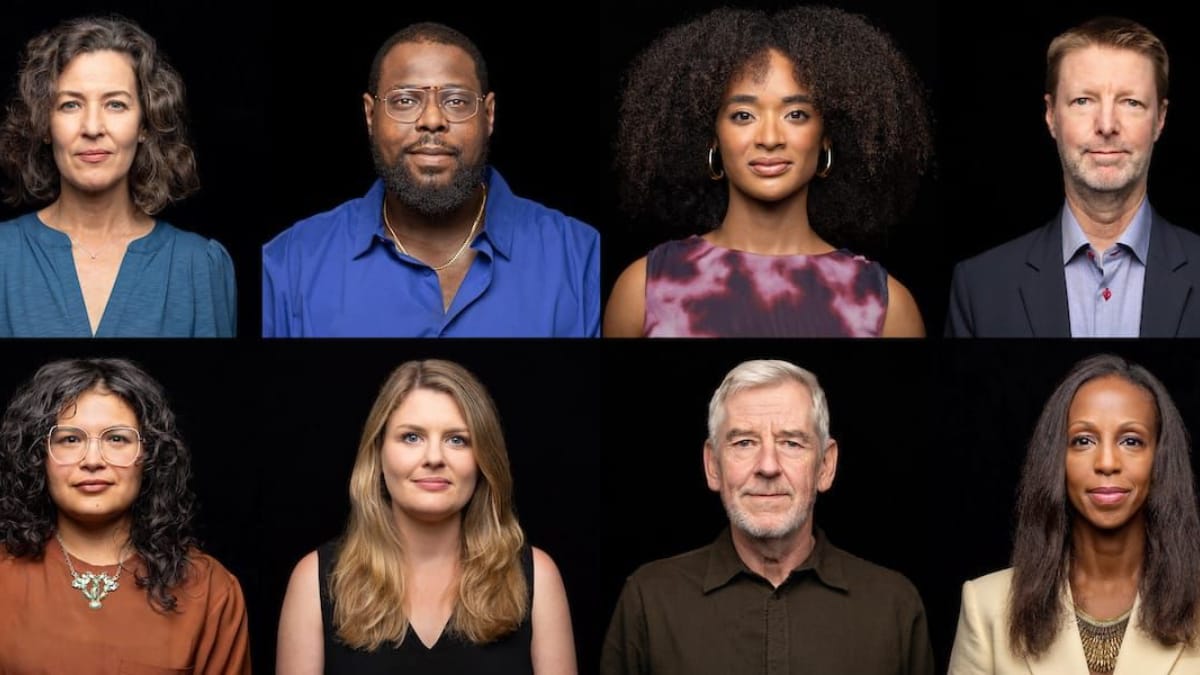
The 2026 Rabkin Prize Winners: The Rabkin Foundation announced its eight recipients for the prestigious 2026 prize, awarding unrestricted grants of $50,000 each to celebrate the vital contributions of contemporary art writers and critics.
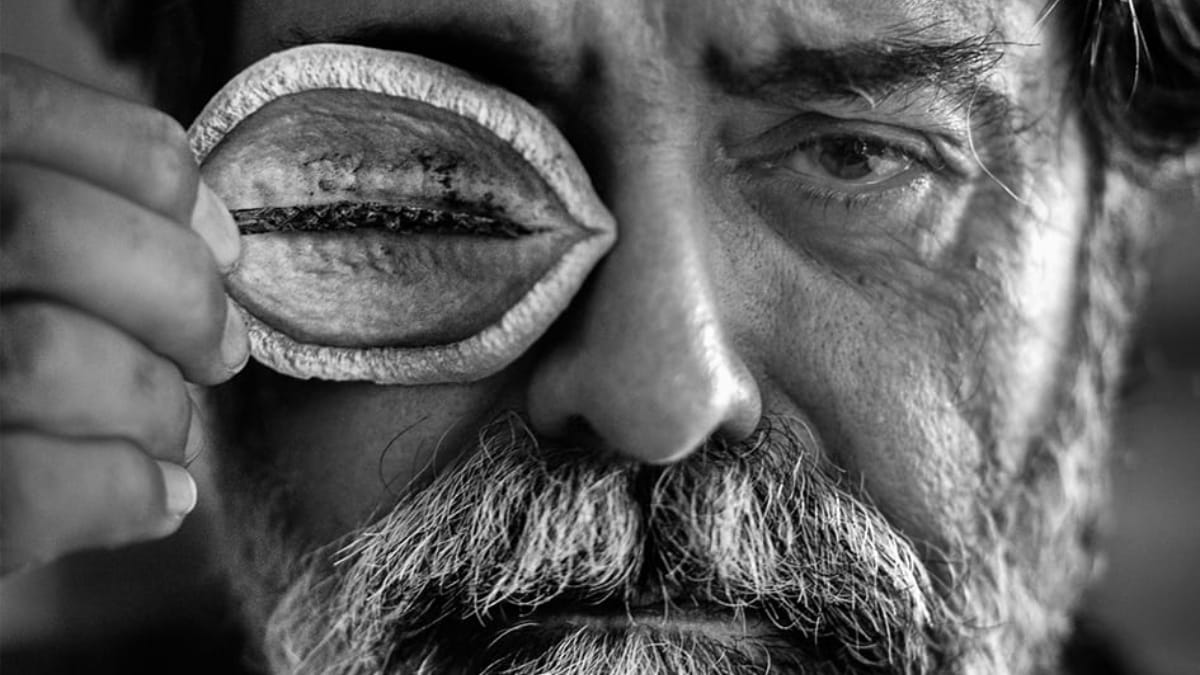
Losses in Photography: The global arts community mourned the passing of acclaimed Venezuelan photographer Nelson Garrido at the age of 73, remembered for his uncompromising embrace of the "aesthetics of the ugly."
Chronology: A Busy Autumn of Openings, Awards, and Activism
The trajectory of the current art season traces a rapid succession of major events, spanning international biennials, local studio tours, and unfolding geopolitical friction:
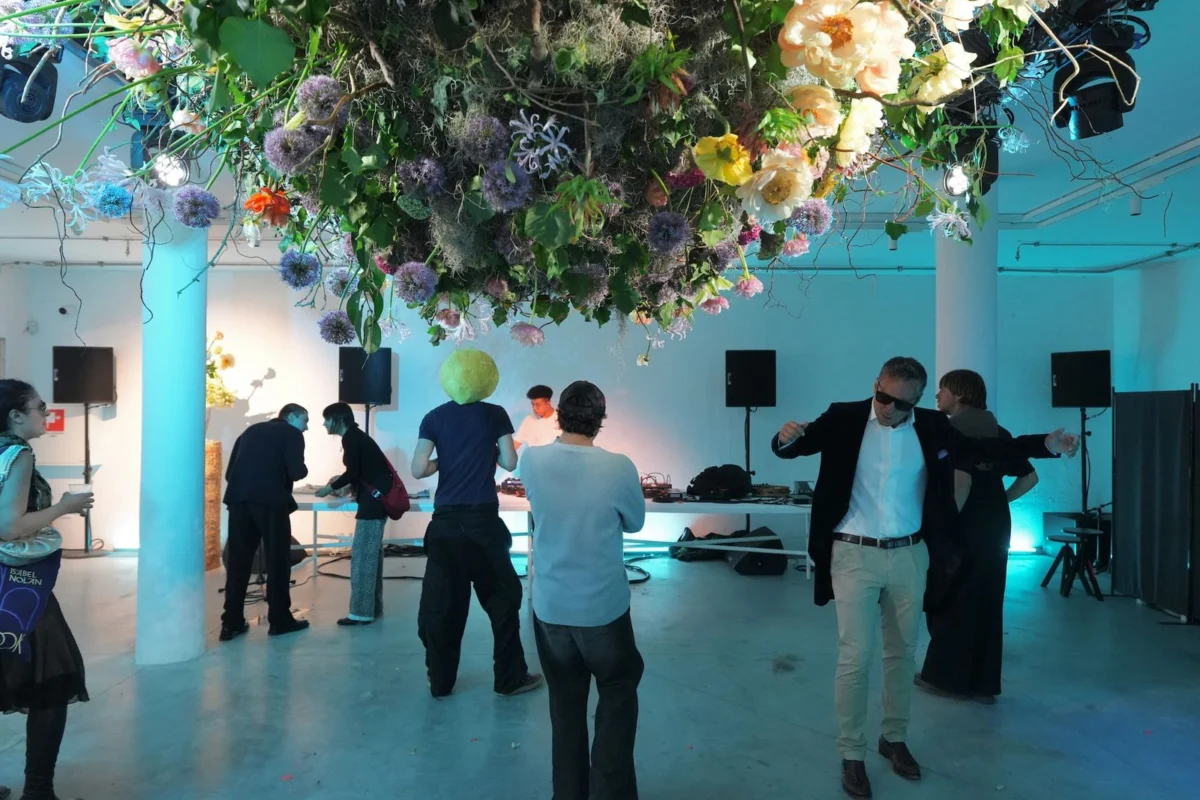
Late Spring to Summer: The 61st Venice Biennale opened to immense fanfare, packed parties, and global tourism, drawing thousands of visitors to the Giardini and the Arsenale to evaluate national pavilions.
Mid-September: The Rabkin Foundation announced its 2026 prize winners, distributing $50,000 unrestricted grants to support contemporary art journalism and criticism.
Mid-to-Late September: Bushwick Open Studios brought together local creators, featuring towering inner-child paintings, diasporic Filipina tributes, and vibrant portraits of trans communities. Concurrently, the Pratt Manhattan Gallery announced its expansive upcoming exhibition exploring the relationships between human bodies and non-human objects (running September 25 through December 19, 2026).
Late September: Critics and editors turned a critical eye toward Venice’s weakest pavilions, while international headlines focused on artist withdrawals from documenta 16 due to Germany’s geopolitical positions.
Supporting Data and Institutional Highlights
Beyond the headline-grabbing controversies of Venice and documenta, several notable exhibitions, institutional retrospectives, and grants shaped the cultural landscape:
The Venice Biennale: The Good, the Bad, and the Split
In the first installment of their Venice evaluation, Vartanian and D’Souza defended the viability and provocative nature of national pavilions. However, the final installment stripped away diplomatic niceties. The critics delivered harsh teardowns of pavilions that felt out of touch, derivative, or structurally ill-conceived, while openly debating the projects that left them politically and aesthetically divided.
Celebrating Art Writers: The 2026 Rabkin Prize
Recognizing that arts journalism is often underfunded and overworked, the Rabkin Foundation stepped forward once again with its annual awards. By distributing eight unrestricted grants of $50,000 each, the foundation directly supports the creative and intellectual labor required to sustain rigorous contemporary art criticism.
Retrospectives and Group Shows
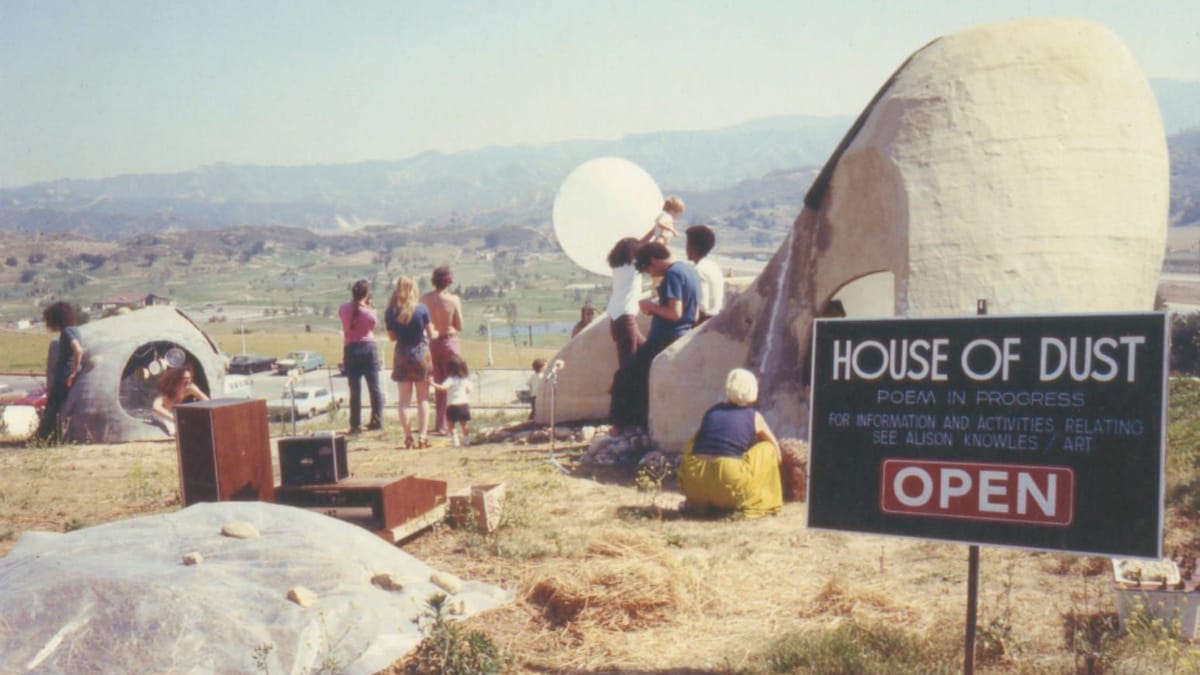
Alison Knowles: Critic Leah Triplett Harrington profiled a major new retrospective dedicated to Fluxus pioneer Alison Knowles. The exhibition traces the radical language of bookmaking within Knowles’s expansive multidisciplinary practice and her enduring influence on American avant-garde art.
Pratt Manhattan Gallery: A newly announced traveling exhibition set to open on September 25 dives deep into the complex, interconnected ways human bodies coexist with non-human objects, prompting viewers to reconsider material culture and agency.
Mexican-American Altars in Chicago: A compelling feature explored how domestic altars built by Mexican-American communities in Chicago serve as radical acts of placemaking, reimagining the concept of home through spiritual and cultural geography.
Official Responses and Geopolitical Friction
The art world has increasingly become a battleground for international diplomacy and free speech, a reality starkly illustrated by developments surrounding Germany’s premier contemporary art exhibition, documenta 16.
The documenta 16 Boycott
In recent statements, documenta artistic director Naomi Beckwith addressed the mounting crisis facing the institution. Multiple invited artists have formally withdrawn their participation from documenta 16, citing the German government’s restrictive political positions and handling of discourse surrounding the war in Gaza.
Germany’s cultural sector has faced intense international scrutiny over its application of stringent political litmus tests to artists receiving public funding or exhibiting in state-backed spaces. Critics, human rights advocates, and artists argue that these policies infringe upon freedom of expression and disproportionately silence pro-Palestinian voices, turning foundational international exhibitions into flashpoints of censorship and ideological policing.
Grassroots Resistance and Global Pessimism
In the realm of commentary, veteran artist and cultural commentator Vicki Meek reflected on her encounters with Chilean-American conceptual artist Alfredo Jaar. Commenting on Jaar’s persistent efforts to use art as a tool for global change, Meek noted the duality of working in the arts today:
"Like Alfredo, I am often pessimistic about the state of the world as fascism is once again rearing its ugly head in so many places. But in the same breath, my optimism stems from the people’s response in the form of organized resistance. A luta continua."
Implications: What This Means for the Future of the Art World
The convergence of institutional turmoil, geopolitical boycotts, and grassroots resilience signals a fundamental shift in how artists, critics, and institutions operate.
The Crisis of the National Pavilion: The fierce debate over the Venice Biennale’s national pavilions highlights a growing discomfort with traditional nationalist frameworks in contemporary art. As borders blur and diasporic identities multiply, maintaining rigid, nation-state-sponsored exhibitions increasingly feels obsolete—or worse, a tool for state propaganda.
The Politicization of International Exhibitions: The documenta 16 fallout proves that major art exhibitions can no longer insulate themselves from global geopolitics. Institutions can no longer rely on soft-power diplomacy while ignoring human rights abuses or censoring participating artists. The willingness of artists to walk away from prestigious platforms demonstrates a rising demand for ethical accountability.
The Endurance of Local Creatives: Amid institutional pressures and economic displacement, reports from Bushwick Open Studios and community-led altars in Chicago remind the art world that true cultural vitality lives at the grassroots level. While global biennials grapple with ideology and spectacle, local artists continue to build spaces of care, memory, and resistance from the ground up.



 Muslim
 Evan Lee Salim
 Jia Lissa
