

Main Facts
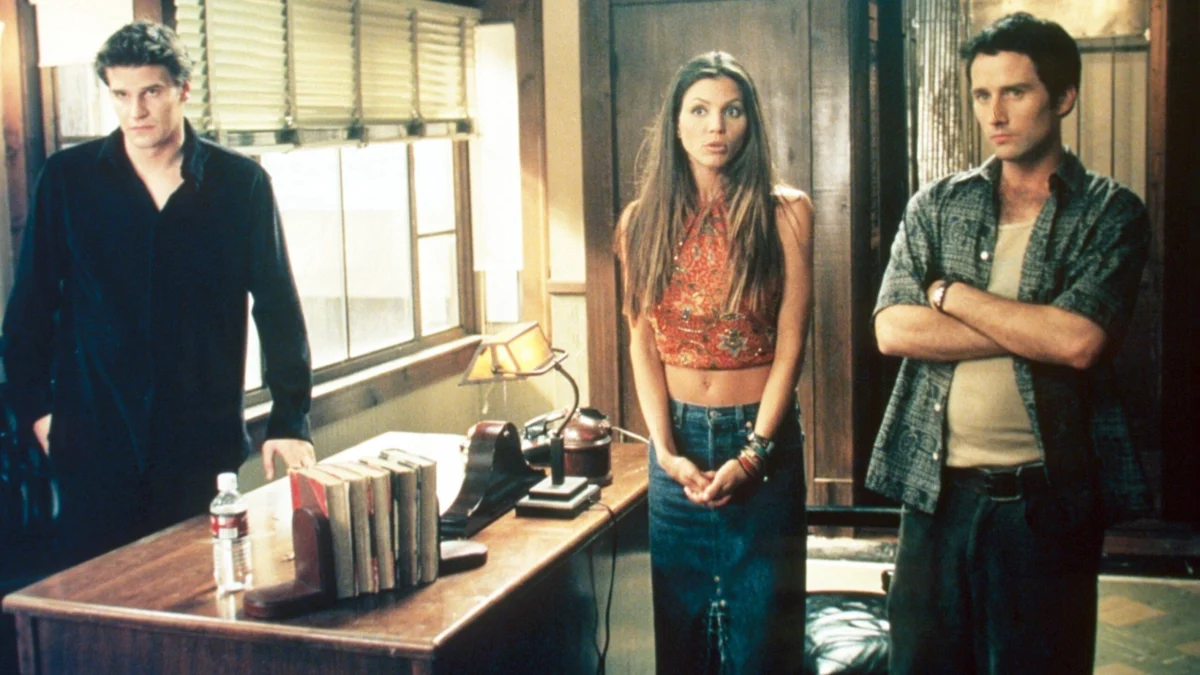
More than two decades after its initial broadcast, Joss Whedon and David Greenwalt’s supernatural drama Angel continues to stand as a towering achievement in television history. Serving as a companion piece and direct spinoff to the legendary Buffy the Vampire Slayer, the series followed the soul-tortured vampire Angel (David Boreanaz) as he relocated from the suburban horrors of Sunnydale to the sprawling, morally bankrupt landscape of Los Angeles.
Far from merely coasting on the coattails of its predecessor’s cultural phenomenon, Angel evolved into a mature, deeply philosophical neo-noir thriller that traded high school angst for the crushing weight of adult disillusionment, corporate corruption, and existential dread. For viewers looking to reexperience the series—or discover it for the first time—the entire five-season run is now available to stream for free on Tubi.
While Buffy redefined the monster-of-the-week format into a sprawling metaphor for the trauma of growing up, Angel carved out its own distinct identity by blending supernatural investigations with hard-boiled detective fiction, pitch-black comedy, and Greek tragedy. Over its 110 episodes, the series underwent radical stylistic shifts, reinvented its core cast, and delivered what many critics consider to be one of the most daring and perfect series finales in television history.
Chronology: The Evolution of a Supernatural Noir
The trajectory of Angel is a study in creative maturation. When the series premiered in September 1999 alongside Buffy’s fourth season, it initially leaned heavily into a monster-of-the-week procedural format.
Season 1: Finding a Footing in Neo-Noir L.A.
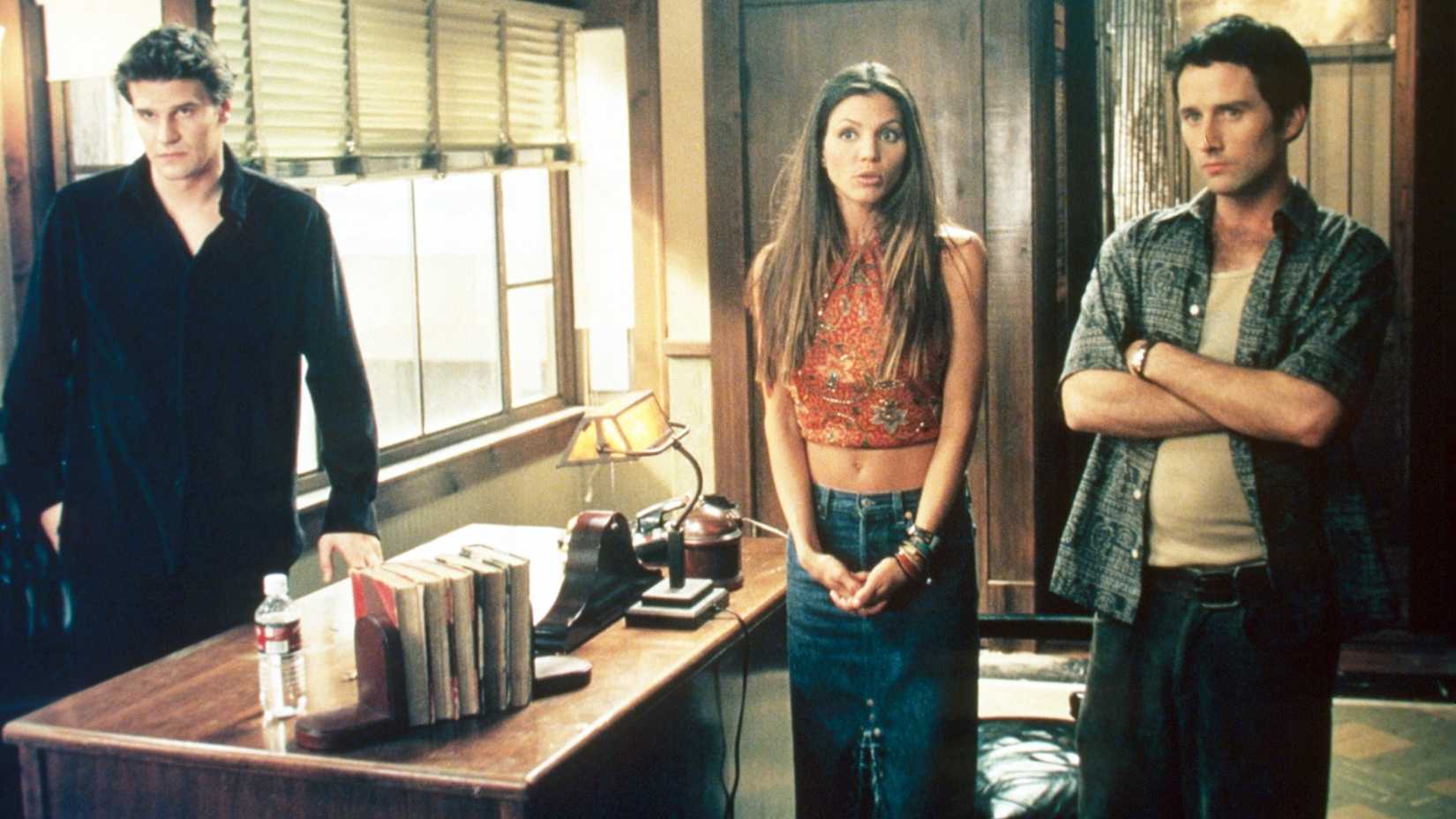
Angel established his paranormal detective agency alongside Francis Doyle (Glenn Quinn), a working-class half-demon burdened with prophetic visions, and Cordelia Chase (Charisma Carpenter), the former Sunnydale high school socialite who cast aside Hollywood aspirations to fight the forces of darkness. Early episodes relied heavily on standard neo-noir tropes, pairing Angel with a generic LAPD detective love interest. However, the show found its emotional core midway through the season with the tragic, heroic death of Doyle, whose prophetic powers were passed directly to Cordelia. Doyle was replaced by Wesley Wyndam-Pryce (Alexis Denisof), transforming a once-hated, incompetent Buffy antagonist into a vital, complex pillar of the team.
Seasons 2 and 3: Expanding the Ensemble and Escalating Stakes
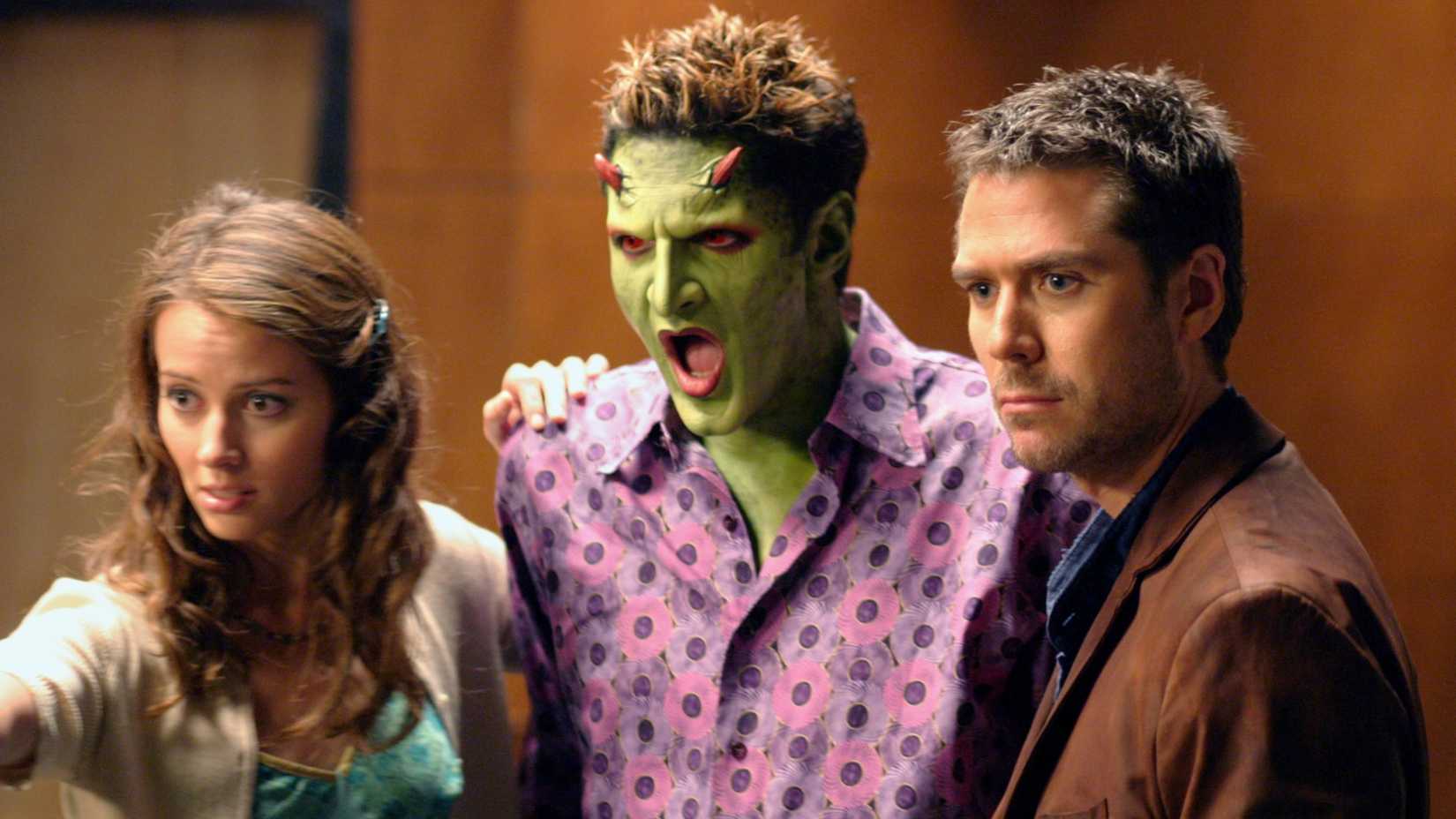
The arrival of street-fighter Charles Gunn (J. August Richards), demon-karaoke-bar owner Lorne (Andy Hallett), and brilliant physics prodigy Winifred "Fred" Burkle (Amy Acker) cemented a legendary ensemble. The dynamics allowed for sharp banter and emotional vulnerability. However, the series stumbled creatively during its fourth season with the controversial introduction of Connor (Vincent Kartheiser), Angel’s teenage son born in a demonic dimension. The narrative—which involved Connor impregnating an amnesiac Cordelia and sidelining the character into a permanent coma—drew widespread fan backlash. In hindsight, the storyline carries an even heavier shadow, following later public allegations by Charisma Carpenter regarding misconduct and harassment by showrunner Joss Whedon surrounding her pregnancy.

Seasons 4 and 5: The Ultimate Devil’s Bargain
Angel reached its narrative apex at the close of season 4 when the team accepted a shocking offer: take over the Los Angeles branch of Wolfram & Hart, the malevolent, demonic law firm that had antagonized them for years. Season 5 radically inverted the show’s premise, plunging the characters into moral gray areas as they attempted to subvert an ancient evil from within a corporate structure. The final season also welcomed Buffy alumnus Spike (James Marsters) into the regular cast, sparking a brilliant adversarial chemistry with Angel and providing a poignant counterpoint to the show’s exploration of redemption.
Supporting Data: Production, Reception, and Legacy
- Original Broadcast: The WB Television Network, running from October 5, 1999, to May 19, 2004.
- Episode Count: 110 episodes spanning 5 seasons.
- Key Creative Personnel: Co-created by Joss Whedon and David Greenwalt; executive producers included Greenwalt, Whedon, Tim Minear, and Jeffrey Bell.
- Accolades: Multiple Saturn Award nominations and wins, including Best Network Television Series and Best Actor in a Television Series for David Boreanaz.
- Streaming Availability: Free-to-watch ad-supported streaming on Tubi as of September 2026.
Unlike many genre shows of its era, Angel was never afraid to completely shatter its status quo. Where Buffy fought against the apocalypse to save the world, Angel frequently confronted the grim reality that the world cannot be saved—it can only be fought for, day by grueling day. This philosophical shift resonated deeply with audiences, granting the series enduring cult status and critical reassessment.
Official Responses and Industry Context
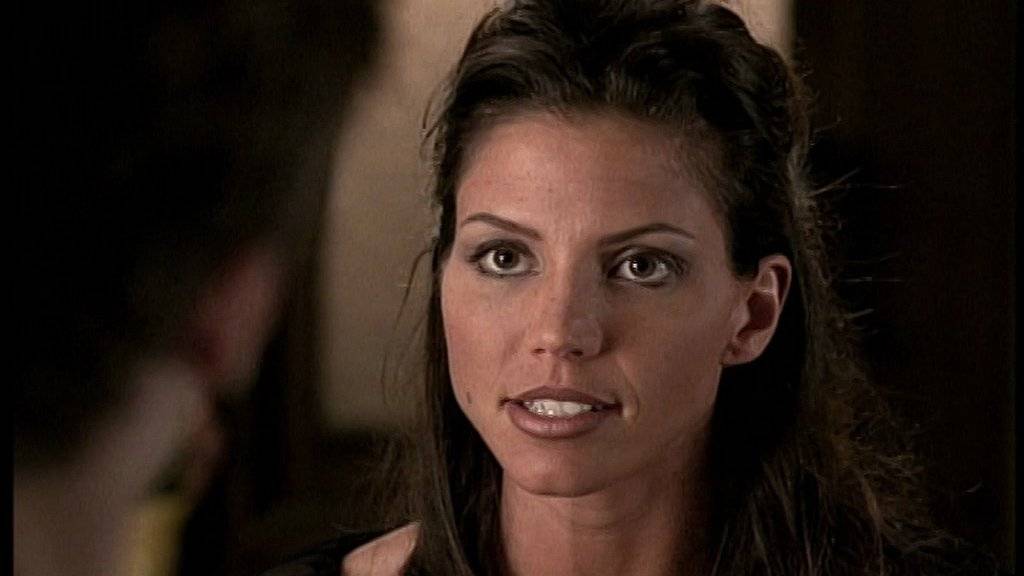
The legacy of Angel is inextricably linked to the broader cultural reckoning surrounding Mutant Enemy productions and creator Joss Whedon. In February 2021, Charisma Carpenter publicly accused Whedon of abusing his power, citing hostile and toxic work environments during her time on Buffy and Angel, particularly targeting her pregnancy.
In statements to trade publications such as Variety, Carpenter detailed how Whedon called her fat when she was four months pregnant, accused her of not caring about the show, and ultimately orchestrated her marginalization and departure from the series. Co-stars including Sarah Michelle Gellar, Michelle Trachtenberg, Amber Benson, and James Marsters voiced public support for Carpenter, validating her experiences and prompting a broader industry conversation about workplace safety on genre sets in the late 1990s and early 2000s.
Despite the off-screen turmoil, the performances delivered by Carpenter, Boreanaz, Denisof, Acker, and the rest of the ensemble remain universally praised. Critics and academics frequently point to character arcs like Wesley’s descent from bumbling academic to ruthless pragmatist as masterclasses in long-form television writing.
Implications: Why Angel Matters Today
The decision to make Angel freely accessible on Tubi marks a significant moment for contemporary television consumption, allowing a new generation of viewers to evaluate the series through a modern lens.
- A Blueprint for Prestige Genre Television: Long before streaming services popularized dark, serialized antihero dramas, Angel demonstrated that network television could sustain deeply serialized, morally ambiguous storytelling over multiple seasons. The transition of Wolfram & Hart into the protagonists’ headquarters in Season 5 foreshadowed modern tropes of corporate corruption and systemic compromise found in shows like Succession or The Boys.
- Re-evaluating Female Agency and Mistreatment: Revisiting Angel today requires a nuanced critical framework. While the series tackled themes of systemic oppression, autonomy, and redemption with striking eloquence, the behind-the-scenes mistreatment of Charisma Carpenter serves as an essential cautionary tale regarding power dynamics in Hollywood writer’s rooms. Viewers can simultaneously celebrate Cordelia Chase’s brilliance as a character and acknowledge the systemic failures that cut her arc tragically short.
- The Power of an Uncompromising Finale: In an era where television finales frequently stumble under the weight of fan expectations, Angel’s final episode, "Not Fade Away," remains a gold standard. By choosing to end on a literal cliffhanger—with Angel, Spike, Gunn, and Illyria charging into a hopeless, apocalyptic battle against an overwhelming army of senior partners—the series encapsulated its core thesis: the fight against evil is eternal, and true heroism lies in refusing to surrender, regardless of the odds.
For anyone who cherished the wit and mythology of Buffy the Vampire Slayer but hungered for something darker, heavier, and relentlessly ambitious, Angel stands ready in the streaming shadows, proving that some stories only grow more potent with time.
 Nana Muazin
 Layla Zulfa
 Basiran
