

Main Facts
In a move that has sent shockwaves through the television and pop culture landscapes, the groundbreaking satirical animated sitcom South Park has officially kicked off its landmark 29th season by rebranding itself entirely as South America. True to the show’s chaotic, unpredictable history of subverting expectations, the series marked this geographic identity shift with a completely retooled version of its iconic theme song.
The updated musical introduction features fresh, driving vocals from Primus frontman and longtime series collaborator Les Claypool—whose signature funk-slap basslines and idiosyncratic growl have historically defined the show’s sonic identity. Eagle-eyed (and eared) fans immediately noticed the stylistic evolution of the theme, which blends Claypool’s unmistakable avant-garde aesthetic with a surreal visual and audio montage.
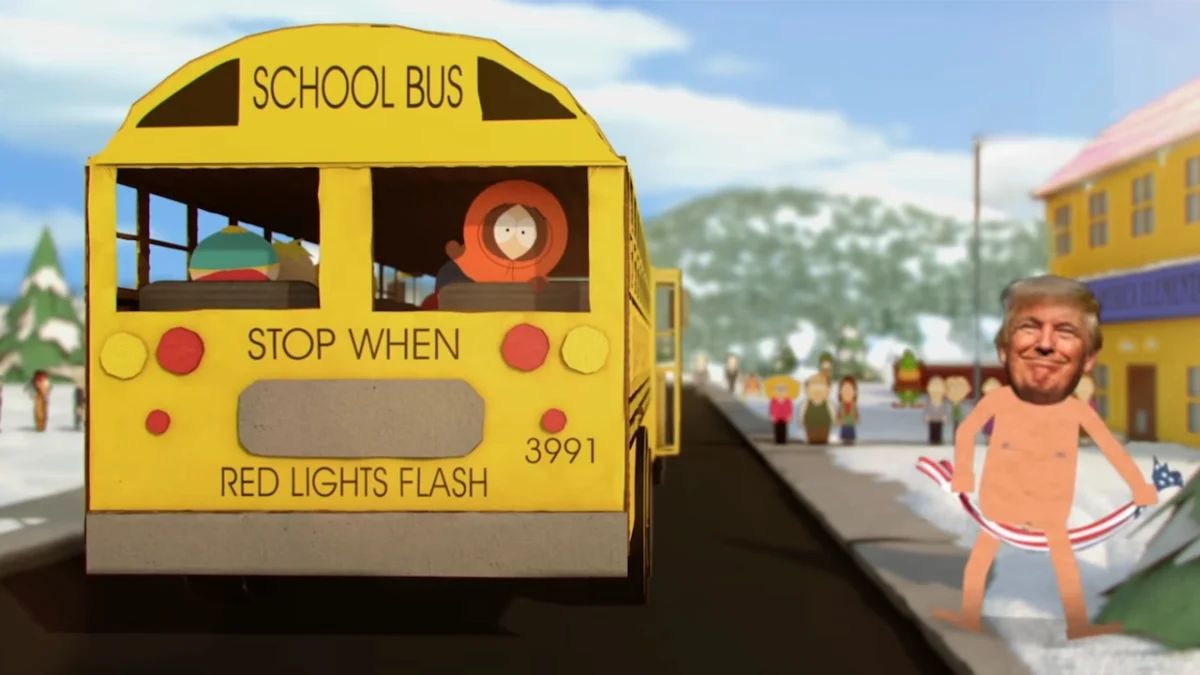
Capping off the dramatic sequence is a surprise cameo appearance by Donald Trump, seamlessly integrated into the chaotic Colorado-now-South America pastiche. Despite the bombastic build-up surrounding the "South America" rebrand and the altered opening credits, the Season 29 premiere itself quickly shifted gears. Eschewing a heavy-handed, wall-to-wall political polemic, the episode instead delivered a nostalgic, tightly plotted narrative that many long-running critics and fans hailed as a return to the classic storytelling formula that defined the show’s golden years.
Chronology: How the "South America" Rebrand Unfolded
To understand how South Park arrived at its current iteration, it is necessary to examine the trajectory of creators Trey Parker and Matt Stone’s satirical output over nearly three decades.
- Late 1990s – The Genesis: Premiering in August 1997, South Park established its cultural footprint with crude construction-paper animation, boundary-pushing shock humor, and a catchy theme song originally performed by the alternative rock band Primus (featuring Les Claypool).
- The Intervening Decades: Over 28 seasons, the show evolved from simple toilet humor into a razor-sharp, ripped-from-the-headlines satirical powerhouse. Serialized storytelling, pandemic specials, and streaming-exclusive Paramount+ event movies became the norm.
- Late August 2026 – The Rumors Begin: Trey Parker and Matt Stone tease a massive structural shift for the upcoming autumn television block. Speculation runs rampant across fan forums and industry trades regarding a permanent shake-up of the series’ core premise.
- September 2026 – The Official Rebrand: Comedy Central and the creators confirm that Season 29 will formally adopt the subtitle/rebrand of South America, throwing continuity and geography completely out the window.
- September 17, 2026 – Season 29 Premiere: The season opener drops, officially unveiling Les Claypool’s newly recorded theme song, the Donald Trump visual cameo, and a plot structure that surprises viewers by prioritizing small-town character dynamics over sweeping political commentary.
Supporting Data and Production Details
While South Park has often altered its theme song for specific holiday specials, trilogies, or conceptual episodes (such as the "Cartman Joins NAMBLA" or various Tegridy Farms iterations), a permanent or season-long rebrand of the main titles is exceptionally rare.
The Musical Collaboration: Les Claypool and Primus
Les Claypool’s relationship with South Park dates back to the very beginning. Claypool, renowned as the creative force behind Primus, originally recorded the iconic theme song that greeted millions of viewers as Stan, Kyle, Cartman, and Kenny stood at the bus stop. Over the decades, Primus also contributed the theme song to South Park: Bigger, Longer & Uncut and various special events.
For the Season 29 "South America" opening, Claypool was brought back not merely to loop the original 1997 audio, but to record fresh vocal passages. The new arrangement leans heavily into Claypool’s distinct narrative delivery, injecting a surreal, swamp-funk energy that mirrors the bizarre premise of the town being suddenly re-christened as part of the South American continent.
The Trump Cameo and Visuals
The inclusion of Donald Trump in the opening sequence continues Parker and Stone’s multi-decade tradition of incorporating sitting presidents, political candidates, and global leaders into the fabric of the show. Rather than serving as a focal point for the entire narrative arc of the premiere, Trump’s fleeting appearance in the newly minted title sequence serves as a bridge between the show’s penchant for real-world political satire and its surrealist sandbox animations.

Official Responses and Industry Reactions
The announcement of the South America rebrand generated immense industry chatter, prompting statements and analyses from network executives, cultural commentators, and entertainment journalists alike.
Comedy Central representatives remained playfully tight-lipped ahead of the premiere, leaning into the absurdity of the rebrand rather than offering traditional PR clarifications. "If Trey and Matt want to move the fictional town of South Park several thousand miles south of the equator, our job is simply to clear the schedule and watch the chaos unfold," a network source noted anonymously.
Meanwhile, critical reception to the Season 29 opener has been overwhelmingly positive, particularly regarding the tonal balance of the episode. Reviewers noted that while the marketing campaign promised a jarring meta-rebrand, the actual substance of the television broadcast offered a comforting slice of old-school storytelling.
"At least for one episode, the old South Park is back," wrote one prominent television critic. "By sidestepping an exhausting, hour-by-hour breakdown of current headlines and instead focusing on tight, character-driven absurdity, Parker and Stone proved they can still pull off a brilliant bait-and-switch."
Fans on social media platforms expressed a mixture of utter confusion and nostalgic delight. The juxtaposition of Les Claypool’s gravelly new vocal styling with the classic visual beats of the children walking through the snow—now juxtaposed against the "South America" framing—immediately became a viral sensation, spawning hundreds of reaction videos and analytical breakdowns within hours of airing.
Implications for Season 29 and Beyond
The launch of South Park‘s "South America" era raises critical questions regarding the future direction of the series. Parker and Stone have long operated on a hyper-reactive schedule, famously writing and animating entire episodes in under a week to respond to breaking news events.
However, the deliberate choice to frame an entire season around a geographic misnomer suggests a few distinct possibilities:
- A Satirical Take on Globalization and Media Trends: The "South America" rebrand may serve as a sprawling meta-commentary on how media corporations constantly rebrand, reboot, and alter long-running intellectual properties under the guise of "innovation" when no actual changes are required.
- Episodic Chaos vs. Serialized Arc: While the premiere leaned heavily into classic standalone storytelling, the lingering presence of the "South America" title sequence leaves the door open for serialized madness in subsequent weeks. Will the characters acknowledge they are no longer in Colorado? Or will the premise be treated with complete deadpan indifference, true to the show’s absurdist roots?
- The Longevity of Creative Partnerships: Bringing Les Claypool back into the fold for a newly minted vocal performance highlights Parker and Stone’s dedication to maintaining the original artistic DNA of the series even as it enters its third decade on air. This collaboration signals that the creators are still willing to invest heavily in the sonic and visual presentation of the show to keep audiences on their toes.
As Season 29 rolls forward, viewers will undoubtedly be dissecting every background detail, musical cue, and political cameo to see how deep the "South America" rabbit hole goes. One thing is certain: nearly thirty years after its debut, South Park remains as defiantly unpredictable as ever.
 Lina Irawan
 rifanmuazin
