

For moviegoers accustomed to the passive comfort of a standard reclining seat, the current theatrical run of Christopher Nolan’s The Odyssey offers an entirely different, and often chaotic, proposition. As audiences flock to experience the epic odyssey of the titular hero, a growing subculture of cinephiles is bypassing the prestige of 70mm IMAX for a more visceral, and occasionally punishing, alternative: 4DX.
What was intended to be a cinematic journey has, for many, transformed into a physical trial. With seats that heave like wooden ships in a gale, gusts of wind, atmospheric fog, and simulated water sprays, 4DX is turning The Odyssey into an endurance test. As social media discourse reaches a fever pitch, the debate over how best to experience this modern masterpiece has shifted from a question of visual fidelity to a question of physical fortitude.
The Anatomy of the 4DX Experience
To understand why The Odyssey is causing such a stir, one must first understand the technology behind the curtain. Developed in 2009 by the South Korean firm CJ 4DPLEX, 4DX is designed to bridge the gap between a motion-simulator ride and a traditional film screening.
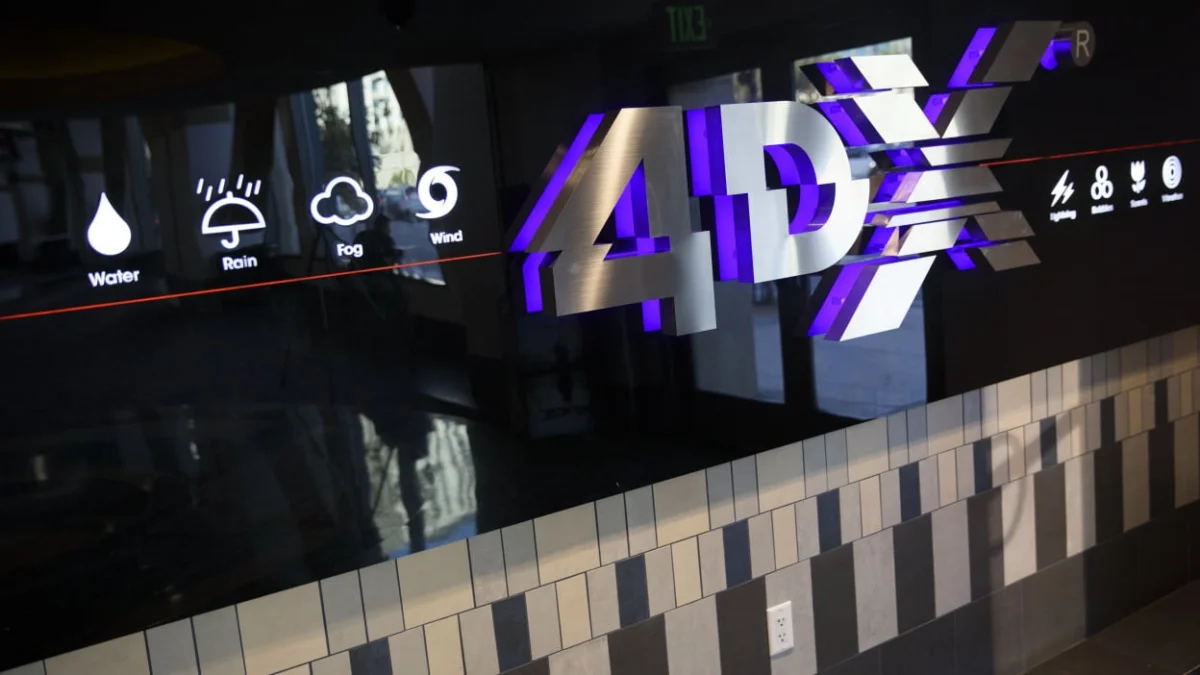
Unlike standard cinema, where the environment remains static, 4DX theaters are equipped with sophisticated motion bases. These seats are capable of multi-directional movement—tilting, pitching, rolling, and vibrating—in perfect synchronization with the action on screen. However, the immersion goes further. The auditoriums are outfitted with specialized environmental effects rigs: wind fans, strobe lights, scent emitters, smoke machines, and water nozzles.
For The Odyssey, a film defined by its turbulent maritime sequences and high-stakes combat, the technology has been pushed to its limits. When Odysseus faces a storm, the audience feels the spray; when he engages in hand-to-hand combat, the seats jolt with every impact. It is a sensory overload that transforms a three-hour epic into an interactive, albeit exhausting, engagement with the medium of film.
A Chronology of the Social Media Frenzy
The buzz began shortly after the film’s wide release in July 2026. Initially, 4DX was viewed as a niche choice, primarily reserved for high-octane blockbusters or genre films. However, as word of mouth spread regarding the specific programming of The Odyssey, TikTok and X (formerly Twitter) became flooded with testimonials.
Early reports were marked by confusion and amusement. Clips of audience members shielding their popcorn from stray water jets or clutching their armrests as their seats tilted precariously went viral almost immediately. By the second week of release, the "4DX survival guide" had become a staple of online film discourse.

The sentiment shifted from novelty to a badge of honor. Users began posting about their "battle scars"—not literal injuries, but the sheer physical fatigue resulting from a 180-minute runtime of constant motion. The discourse peaked when a viral TikTok creator warned her followers to avoid the format, claiming the experience was akin to being "tossed around by Poseidon himself," a sentiment that only served to pique the curiosity of thrill-seekers.
The Engineering of Immersion: Behind the Programming
While it may seem that the seats move randomly, the reality is a testament to the labor-intensive nature of 4DX post-production. CJ 4DPLEX technicians do not simply let a computer algorithm run the show. Instead, they spend weeks in "motion editing" suites, manually programming every jolt, tilt, and burst of air.
This frame-by-frame synchronization is crucial for the film’s pacing. As Paul Kim, an executive at CJ 4DPLEX, noted in previous discussions regarding the format, the goal is not to keep the audience in a state of perpetual motion, which would quickly lead to fatigue. Rather, the goal is "choreography." For The Odyssey, the programmers had to decide exactly when to engage the motion—reserving the most aggressive movements for the shipwrecks and battles, while allowing for moments of stillness during the film’s more contemplative, dialogue-heavy scenes.
Despite this careful planning, the subjective experience remains highly variable. Because the technology relies on hardware that must be maintained—and because individual users have different thresholds for motion sickness—some viewers have reported a seamless, exhilarating ride, while others have described the experience as an unmitigated distraction from Nolan’s directorial vision.
Supporting Data: The Ticket Sales Phenomenon
The commercial success of The Odyssey in 4DX is a significant data point in the ongoing evolution of the theatrical exhibition industry. With IMAX 70mm prints being limited to a handful of global locations—selling out months in advance—4DX has emerged as the premier "event" format for those who missed out on the large-format celluloid experience.
Theaters offering 4DX screenings for The Odyssey have reported near-capacity attendance, often outperforming standard digital screens. This indicates a growing appetite among younger demographics for "experiential cinema." In an era of home streaming, the ability to turn a movie into an "attraction" or a "theme park ride" has become a vital strategy for theater chains looking to drive foot traffic. The data suggests that for a certain segment of the audience, the physical discomfort—the "torture," as some have jokingly dubbed it—is actually a primary selling point.
Official and Industry Responses
While Christopher Nolan himself has been a staunch advocate for the sanctity of the 70mm IMAX format, he has remained diplomatic regarding the myriad ways audiences consume his work. Industry analysts, however, have been more vocal.

Many critics argue that 4DX runs the risk of trivializing the craft of filmmaking. The concern is that if the audience is focused on staying in their seats, they may be missing the nuance of the cinematography, the subtle performances, and the sound mixing. Conversely, proponents argue that The Odyssey is a film about the physical struggle of existence, and that 4DX serves as an empathetic tool, forcing the viewer to feel the exhaustion of the journey.
The exhibition sector has viewed the surge in 4DX interest as a win. By diversifying the types of experiences available, chains like Regal and AMC are effectively segmenting their audience: the purists choose the 6 a.m. IMAX 70mm screening, while the thrill-seekers opt for the 4DX evening show.
Implications for the Future of Cinema
The success of The Odyssey in 4DX marks a potential turning point in how studios might approach "event" releases. We are moving toward a future where the format of a film is as important as its content. If audiences are willing to pay a premium to be physically jostled for three hours, studios may begin to greenlight "4DX-ready" sequences in their scripts, effectively shooting movies with the intention of maximizing sensory feedback.
However, the backlash—the reports of back pain, the requests for refunds, and the complaints about the distraction—serves as a cautionary tale. 4DX remains a polarizing tool. It is not an upgrade to the film, but a remix of the experience.
As we look toward the remainder of the theatrical calendar, the question is not whether 4DX will survive, but whether it will remain a novelty or become a standard pillar of the blockbuster experience. For now, The Odyssey stands as the definitive case study. Whether you view it as a revolutionary way to engage with art or a chaotic subversion of it, one thing is certain: you won’t leave the theater unchanged.
For the average moviegoer, the decision is now clear. If you want the visual scale, find the IMAX. If you want to feel the salt spray on your face and the ship lurching beneath your feet, head to the 4DX. Just be sure to hold onto your popcorn—and perhaps, your dignity.
 Nana Wu
 Neng Nana
 Reynand Wu
