

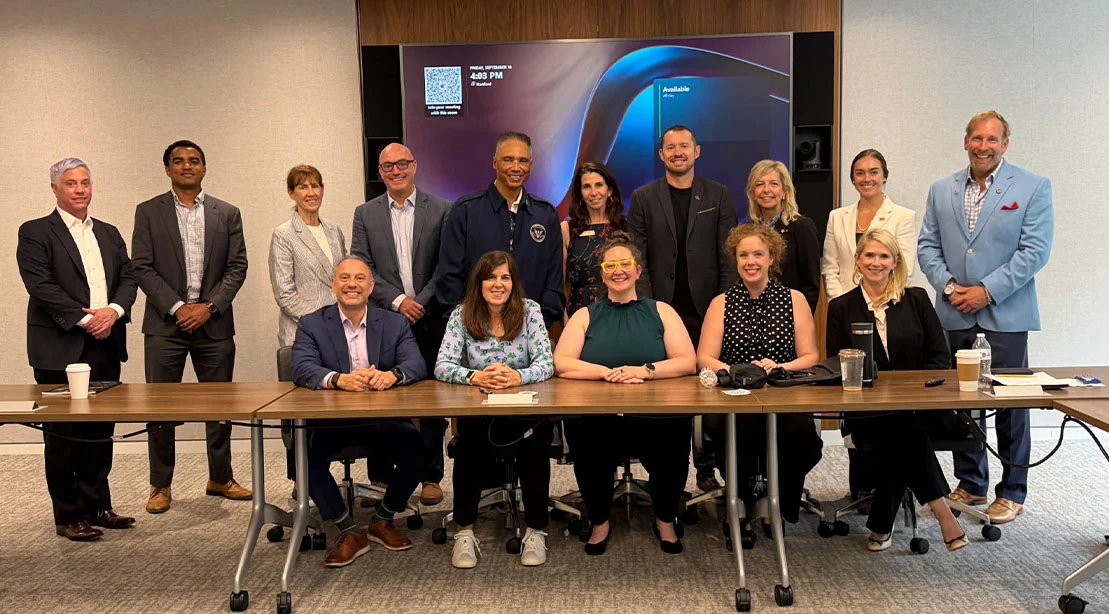
In an era defined by rapid technological advancement and evolving global security challenges, the physical and mental fortitude of the modern warfighter has never been more critical. Recognizing that the readiness of the Armed Forces is inextricably linked to the individual well-being of its members, the Tragedy Assistance Program for Survivors (TAPS) headquarters in Arlington, Virginia, recently served as the epicenter for the fifth installment of the Military Health and Wellness Symposium.
Spearheaded by Muscle & Fitness Senior Military Editor Rob Wilkins, the event brought together a multidisciplinary coalition of military leaders, human performance researchers, and subject matter experts. The objective was clear: to disseminate cutting-edge, actionable research that empowers service members, veterans, and their families to optimize their physical health, mental resilience, and long-term quality of life.
A Strategic Imperative for National Security
The symposium is built on a foundational truth articulated by Wilkins: the physical well-being of those who wear the uniform is a matter of national security. In a landscape where military tactics and health science are constantly shifting, the ability to rapidly translate laboratory research into field-ready applications is essential.
"No one organization can generate all of the answers," Wilkins noted during his opening remarks. "By bringing together a diverse mix of experts from the military, the government, and the private sector, we create a cross-pollination of ideas. We want people to have access to this information so they can stay healthy, serve longer, and ultimately lead more fulfilling lives after their time in uniform concludes."
The symposium’s success lies in its holistic approach, viewing the soldier not just as an operator, but as an individual whose performance is dictated by a complex interplay of nutrition, sleep, mental health, and physical training.
The Pillars of Modern Readiness: The H2F Program
A significant portion of the symposium was dedicated to the U.S. Army’s Holistic Health and Fitness (H2F) program, which has become the gold standard for integrated soldier care. COL Jonathan D. Lesher and physical therapist Amy Cates provided a deep dive into the program’s five core pillars: physical, mental, nutritional, spiritual, and sleep readiness.
The H2F program represents a fundamental shift in how the military approaches human performance. Rather than focusing solely on physical training (PT) scores, the program treats the soldier as a total system. Cates highlighted the integration of physical therapy and strength and conditioning specialists directly into brigade-level units. This proximity ensures that injuries are caught early and that recovery protocols are personalized to the specific demands of the soldier’s Military Occupational Specialty (MOS).
The core philosophy, as summarized by COL Lesher, is starkly pragmatic: "A stronger soldier is harder to kill, period." By emphasizing injury prevention and rapid rehabilitation, the H2F program ensures that the force remains lethal, resilient, and capable of sustained operations in the most austere environments.
Life Beyond the Uniform: Transition and Financial Wellness
The symposium also addressed the critical, often-overlooked phase of transition—the movement from active duty to civilian life. Recognizing that financial stress is a primary driver of poor mental health among veterans, the event featured a panel on economic resilience.
Financial expert David Vardeman discussed the importance of early financial literacy, urging service members to view their benefits not as a safety net, but as an investment portfolio. This was complemented by Dr. Lynda Davis, Chief Veterans Experience Officer for the Department of Veterans Affairs (VA). Dr. Davis provided insights into how the VA is modernizing its approach to veteran care, emphasizing a commitment to listening and active engagement.
"If a veteran is in trouble, we are going to be there," Dr. Davis stated. Her presentation underscored the importance of proactive outreach, ensuring that veterans are aware of the full suite of programs available to them to maximize their quality of life post-service.
The Generational Cycle: From Schools to Senior Citizens
One of the most compelling aspects of the symposium was its focus on the "Generational Impact" of wellness. Bob Marple, principal of Brambleton Middle School, discussed the role of educators in fostering a culture of physical activity in youth. Marple argued that the foundation for military readiness—or simply a healthy life—begins in the classroom, where habits of movement and discipline are formed.
This focus on lifelong health was mirrored by Ashlee Henson, Director of the Cooper Aerobics Wellness Program. Drawing on her background with the Armed Forces Wellness Center, Henson detailed how the principles of human performance are applicable across the entire lifespan. Whether training an elite soldier or a senior citizen, the core tenets of metabolic health, cardiovascular conditioning, and strength remain consistent. According to Henson, the guidance provided by the Cooper Institute can significantly extend both the "quantity" and "quality" of life for all Americans, regardless of their background.
The Frontlines of Supplements and Sleep
As the supplement industry becomes increasingly saturated with unregulated products, the risk to service members grows. Andrea Lindsey, Senior Nutrition Scientist and Director of Operation Supplement Safety (OPSS), provided a critical briefing on navigating the current market.
Lindsey cautioned against the trend of "energy-drink culture" and the rising popularity of peptides. "It’s essential to understand what’s happening today," she warned. "We’re in a whole different paradigm with regard to peptides. This is really important." Her advice was specific: look for third-party testing certifications, verify labels, and keep caffeine intake below 200 milligrams per serving to avoid cardiac stress.
Following the nutrition discussion, Dr. Sara Algar and Dr. Tina Burke of the Walter Reed Army Institute of Research turned their focus to the biological necessity of sleep. Their research presents a grim picture of the "sleep-deprived warrior": impaired cognitive function, lower testosterone levels, and a significantly diminished capacity for emotional regulation. The doctors were unequivocal in their conclusion: seven hours of quality sleep is not a luxury—it is a non-negotiable requirement for mission success.
"Until you break the cycle of sleep deprivation, it will keep perpetuating," Dr. Algar noted. The symposium provided clear protocols for commanders to protect sleep cycles, viewing them as vital to tactical readiness as ammunition or fuel.
Cultivating Mental Resilience and Vulnerability
The symposium concluded with a poignant focus on mental health. Dr. Gabriel Paoletti of the Uniformed Services University provided a framework for leaders to recognize the signs of burnout and trauma in their subordinates.
The most resonant moment of the event came from Dr. Elizabeth "Elise" Van Winkle, former Assistant Secretary of Defense for Readiness. Dr. Van Winkle shared her own journey through the high-pressure environment of the Pentagon, admitting that her rise to power came at a personal cost to her mental and physical health. She challenged the prevailing stigma that equates seeking help with weakness.
"It may be harder to talk about, but that is when it is most important," Dr. Van Winkle said. "Saying it out loud makes you vulnerable, but that can help pull you back together into one person." Her testimony emphasized that true resilience is not the absence of struggle, but the willingness to address it openly.
Looking Ahead
As the fifth symposium concluded, the impact was clear: the military is moving toward a future where wellness is not just an individual responsibility but an organizational pillar. By integrating sleep, nutrition, financial stability, and mental health into a singular vision of readiness, the Department of Defense and its partners are building a force that is as sustainable as it is lethal.
Rob Wilkins confirmed that the momentum will continue, with the sixth symposium tentatively scheduled for January 2027. While the details of that event are still in development, the mission remains constant: to keep the defenders of the nation at the peak of their potential, ensuring they are prepared for the challenges of today and the uncertainties of tomorrow.
 Lina Hope
 rifanmuazin
 Laily UPN
