

Every trip to the supermarket has become a source of anxiety for the average American household. As food prices continue to climb, the dream of maintaining a high-protein, performance-oriented diet feels increasingly out of reach for those on a fixed budget. For the fitness-focused individual, the stakes are even higher; when your body requires a caloric surplus and high protein intake to support intense training, food inflation isn’t just a nuisance—it’s a direct threat to your physical progress.
Many assume that "eating clean" is synonymous with "spending big." This misconception often leads budget-strapped gym-goers to rely on ultra-processed, low-nutrient convenience foods or, worse, to sacrifice their nutritional standards entirely. However, the reality is that high-performance nutrition does not require a premium price tag. By adopting a strategic approach to grocery shopping, you can fuel your body like a champion while keeping your financial health intact.
The Economic Reality of Performance Nutrition
The current inflationary environment has reshaped the grocery landscape. Data from the Bureau of Labor Statistics indicates that while the rate of food inflation has fluctuated, the cumulative effect over the past several years has left the average consumer paying significantly more for staples such as meat, poultry, and eggs.
For the athlete, this creates a "protein premium." Because high-quality protein sources are generally the most expensive items in the grocery store, they are the first to be sacrificed when budgets tighten. Yet, muscle protein synthesis requires a consistent supply of amino acids. Failing to meet these requirements can lead to muscle wasting, decreased recovery, and poor performance. The challenge, therefore, is to identify high-value, nutrient-dense foods that deliver the same physiological benefits as their premium counterparts without the exorbitant cost.
Strategic Grocery Hacks to Slash Costs by 30%
You don’t need to rely on coupon-cutting or processed ramen noodles to lower your bill. By shifting your shopping habits, you can effectively cut your grocery expenses by roughly 30% while actually improving the quality of your diet.
1. The Power of the Pantry (Canned Goods)
Canned foods are arguably the most misunderstood items in the supermarket. Often dismissed as "processed," many canned staples are nutritional powerhouses. Canned sardines, mackerel, and chicken offer an incredibly cheap source of high-quality protein and omega-3 fatty acids. Similarly, canned beans are shelf-stable, fiber-rich, and significantly cheaper than their pre-cooked or dry counterparts when accounting for preparation time. Canned tomatoes, harvested at the peak of freshness, provide a robust flavor profile and essential micronutrients at a fraction of the cost of "fresh" hothouse tomatoes in the middle of winter.
2. Eggs: The Unrivaled Protein King
Following the volatility of the 2025 avian influenza disruptions, egg prices have largely stabilized. At roughly 25 to 40 cents per serving, eggs remain the gold standard for cost-effective, complete proteins. They contain the full spectrum of essential amino acids and are versatile enough to serve as a base for breakfast, lunch, or dinner. For the budget-conscious athlete, the omelet is not just a morning staple—it is a performance-meal hack.
3. Embrace the "Spud" Advantage
Carbohydrates are the primary fuel source for high-intensity training. Rather than opting for expensive, artisanal grains or processed pasta, look to the potato. Potatoes—specifically when purchased in bulk bags—are one of the most affordable sources of high-quality complex carbohydrates and potassium. They are incredibly satiating, making them an ideal fuel for post-workout recovery.
4. Select Economical Cuts of Meat
The demand for chicken breasts and beef tenderloins drives their prices to unsustainable heights. However, the "neglected" cuts—chicken thighs, pork loin, and round steak—offer identical protein profiles at a significantly lower price point. These cuts are often more flavorful and forgiving when cooked, making them perfect for slow-cooking or braising.
5. Frozen Over Fresh
When produce is out of season, the "fresh" options in the supermarket have often spent days in transit, losing nutritional density along the way. Frozen vegetables and fruits, by contrast, are flash-frozen at peak ripeness, preserving their vitamin content. Buying frozen blueberries, broccoli, or spinach allows you to avoid the "spoilage tax," where delicate fresh produce goes bad before you can use it, essentially throwing your money into the compost bin.
6. The Versatility Rule
A common mistake among budget shoppers is buying ingredients for a single, isolated meal. To maximize your dollar, every ingredient must "earn its keep" by being featured in at least two or three different dishes. If you buy a bunch of cilantro, it should be used in your post-workout tacos, your morning eggs, and your evening stir-fry. Versatility minimizes waste and ensures that your spice rack and pantry staples are constantly cycling.
7. Leverage Store Brands and Bulk Bins
The marketing and packaging costs of name-brand products are passed directly to the consumer. Store-brand canned beans, grains, and oats are often nutritionally identical to their name-brand counterparts. Furthermore, shopping from bulk bins for nuts, legumes, and spices allows you to purchase only the exact amount you need, preventing unnecessary spending on items that might go stale before they are consumed.
8. Timing the Market: The "Sell-off" Hunt
Grocery stores often heavily discount items that are approaching their "best-before" dates. This includes dairy, yogurt, and even meat. These dates are often indicators of peak quality rather than safety. By hunting for these "Manager’s Specials," you can acquire high-end protein sources for a fraction of the original price.
Culinary Applications: High-Nutrition, Low-Cost Meals
To illustrate how these principles work in practice, consider the following three recipes, each designed to provide maximum protein and micronutrients for under $10.
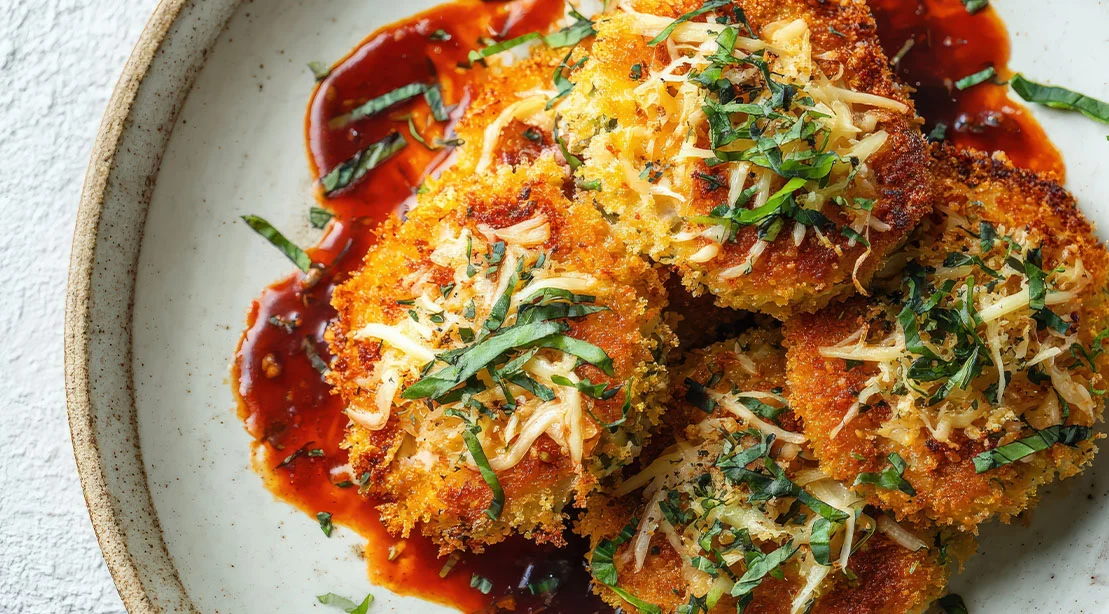
The Lemony Sweet Potato Fish Cake
This meal utilizes canned sardines (a massive source of omega-3s) and sweet potatoes.
- Ingredients: 2 cans of sardines, 1 large mashed sweet potato, 1 egg, breadcrumbs, red onion, lemon zest/juice, Italian seasoning.
- Preparation: Mash the ingredients, form into patties, and sear until golden. Serve with a side of microwave-warmed crushed tomatoes and steamed frozen broccoli.
The Performance Egg and Bean Casserole
Perfect for meal prepping, this dish is a high-protein, fiber-heavy breakfast or dinner.
- Ingredients: Eggs, black beans, spinach, bread cubes, onions, mushrooms, and a sprinkle of cheese.
- Preparation: Whisk the eggs with seasonings and milk, fold in the sautéed vegetables and beans, pour over bread cubes in a baking dish, and bake until set.
Pumpkin Butter Chicken
A budget-friendly riff on a classic, this dish uses canned pumpkin for creaminess and chickpeas for added fiber.
- Ingredients: Chicken thighs, onion, garlic, ginger, canned pumpkin, tomato paste, coconut milk, and a robust spice blend (garam masala, turmeric, cumin, cayenne).
- Preparation: Sauté the chicken and aromatics, stir in the spices and pumpkin, add the coconut milk, and simmer until thickened.
Implications for the Future of Nutrition
The current economic climate necessitates a shift in how athletes perceive "healthy eating." The implication is that nutritional intelligence—knowing how to source, store, and prepare food—is now just as important as the training program itself. By moving away from expensive, hyper-convenient pre-made meals and embracing fundamental cooking techniques and smart shopping strategies, the modern athlete can ensure that their physique continues to progress, even in the face of economic uncertainty.
The takeaway is clear: You don’t need a massive salary to build a massive physique. You just need a strategy. By being a "can-do" shopper, prioritizing high-value protein sources, and mastering the art of the budget-friendly meal, you can protect your savings account without sacrificing your gains. In the long run, these habits won’t just save you money—they will build a more sustainable, resilient, and informed approach to your health.
 Lina Hope
 rifanmuazin
 Laily UPN
