

This destination guide is part of Going Out, a series of stories celebrating global LGBTQIA+ travel and culture.
In the annals of modern civil rights, few moments resonate as profoundly in East Asia as May 24, 2019. On that day, Taiwan etched its name into history by becoming the first country on the continent to legalize same-sex marriage. It was a legislative triumph that signaled a seismic shift in regional social values. Yet, for those who visit Taiwan to witness the vibrant, beating heart of its queer community, the true celebration does not align with the global June Pride calendar. Instead, the Taiwanese reserve their most exuberant parades, political activism, and city-wide festivities for October—a strategic choice that prioritizes comfort, community, and the island’s unique seasonal rhythm.
The Evolution of Taipei Pride: A Regional Powerhouse
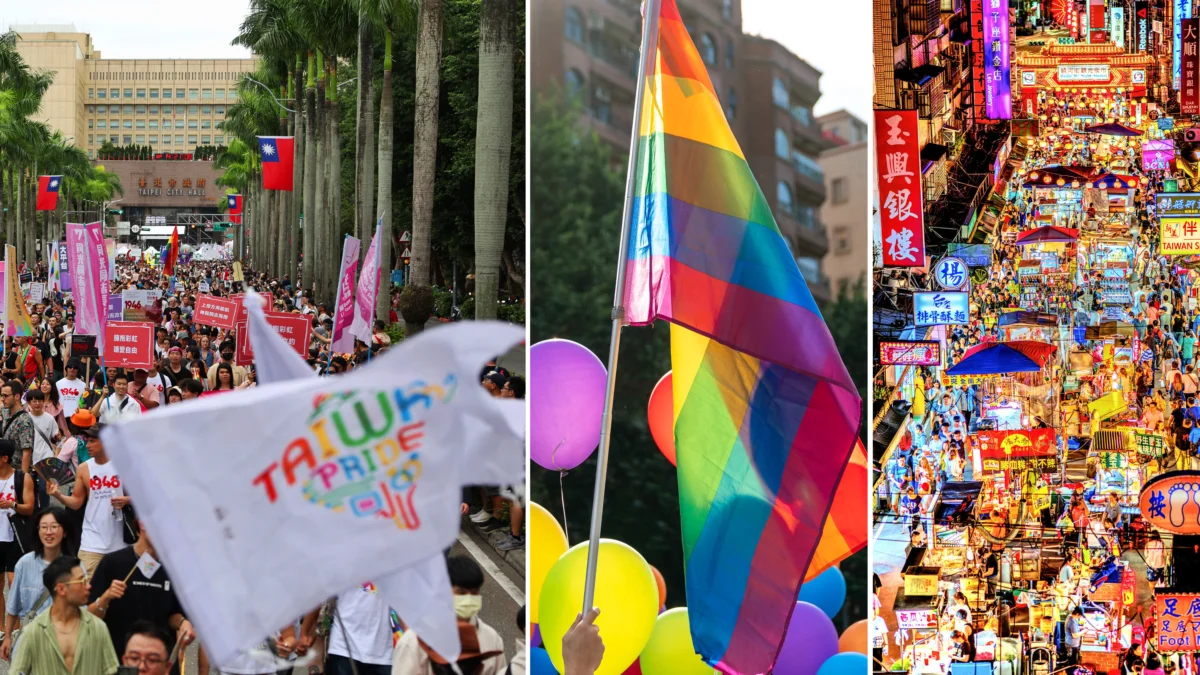
While many nations commemorate the Stonewall Uprising in June, the heat of a Taiwanese summer is infamously oppressive. By waiting until the final weekend of October, the city of Taipei ensures that its massive, sprawling Pride parade—the largest of its kind in East Asia—takes place under the mild, breezy skies of autumn.

The event, which centers on the iconic City Hall Plaza in the Xinyi District, consistently draws over 150,000 participants. It is not merely a party; it is a manifestation of hard-won progress. The parade serves as a public declaration of the island’s commitment to equality, drawing activists, families, and allies from across the globe. The scale of the event transforms the capital into a kaleidoscope of colors, music, and advocacy, cementing Taipei’s reputation as the "Gay Capital of Asia."
Chronology of a Movement: From Marginalization to Mainstream
To understand the significance of the October festivities, one must look at the timeline of Taiwan’s queer journey:
- 1990s–2000s: Early grassroots organizing begins, primarily centered around the Red House in Ximending. Queer life exists largely in underground hubs.
- 2003: The first Taipei Pride parade is held, drawing roughly 800 people. It is a bold, foundational moment for the movement in East Asia.
- 2017: The Council of Grand Justices rules that the failure to allow same-sex marriage violates the Constitution, setting a two-year deadline for legislative action.
- May 2019: The Legislative Yuan passes the historic Same-Sex Marriage Act, making Taiwan the first in Asia to do so.
- 2020–Present: Despite the global pandemic, Taipei Pride evolves into a hybrid of physical and digital engagement, solidifying its status as an international landmark event.
Navigating the Capital: Logistics and Urban Design
Taipei is a marvel of urban planning, where nature and concrete exist in a symbiotic relationship. Travelers will find the city remarkably accessible, with the Taipei Mass Rapid Transit (MRT) system serving as the lifeline of the metropolis.

Getting In and Out
Most international travelers arrive via Taoyuan International Airport (TPE), located approximately 45 minutes from the city center. The most efficient route is the Airport MRT, which whisks passengers to Taipei Main Station in roughly 35 minutes. For those arriving from regional hubs like Tokyo or Seoul, the smaller Songshan Airport (TSA) offers a more intimate arrival experience, located within the city limits and connected to the metro in under 20 minutes.
Walking the City
Once settled, the city’s districts—Da’an, Xinyi, and Zhongzheng—are highly walkable. Taipei is designed to keep you connected to nature; the lush trails of Elephant Mountain and the expansive greenery of Da’an Forest Park are always within arm’s reach, offering a necessary respite from the high-energy pulse of the city’s nightlife districts.
The Dual Hubs of Queer Life: Ximending and Xinyi
Taipei’s queer culture is defined by two distinct nodes: the historical, creative energy of Ximending and the polished, high-energy glamour of Xinyi.

The Red House (Ximending)
The heart of the community resides in the historic Ximending Red House. Built in 1908 as a public market, it has evolved into a vibrant hub for artists and creatives. The cruciform building houses 16 studios where local designers sell everything from lifestyle goods to queer-centric fashion.
Don’t miss Square Studio, famous for its "joy, anger, sorrow, and happiness" mascots, or Taiwanize, which incorporates traditional paper-cutting art into modern garment design. Outside, the rainbow crosswalk at Exit 6 of the Ximen MRT station is a mandatory stop for any visitor—a powerful, photogenic symbol of the city’s inclusivity.
The Xinyi District
Across town, the Xinyi District serves as the more cosmopolitan counterpart to the bohemian Red House. This is where the main Pride march culminates. It is a district of skyscrapers, luxury malls, and the world-famous Taipei 101, offering a stark contrast to the vintage charm of Ximending.

Nightlife: Where the Party Never Ends
When the sun sets in October, the nightlife in Ximen erupts. Café Dalida—the legendary "home bar" of RuPaul’s Drag Race winner Nymphia Wind—is a must-visit. Its expansive outdoor terrace and fresh-fruit cocktails have made it a cornerstone of the scene. For those who prefer a more modern, open-air aesthetic, Mudan Restaurant & Bar offers a sophisticated selection of smoothie-based cocktails in a relaxed setting.
A Culinary Masterclass
With 44 of Taiwan’s 53 Michelin-starred restaurants located within its borders, Taipei is arguably one of the world’s greatest food capitals.
Fine Dining vs. Street Eats
For the refined palate, Logy—a concept by chef Ryogo Tahara—offers a 10-course seasonal tasting menu that bridges Japanese and Taiwanese influences. A standout is the fried eel with mushroom broth, elevated by the subtle heat of Sichuan peppercorn oil. On the plant-based front, Yangming Spring showcases the island’s commitment to vegetarianism, utilizing fresh, high-altitude produce in a zen-inspired setting.

However, the soul of Taipei lies in its street food. Fuhang Soy Milk in the Zhongzheng district is an institution, serving traditional egg pancakes and savory soy milk to locals for under $5. For the ultimate sensory experience, the night markets are non-negotiable. Whether it is the Raohe Night Market or the Shilin Night Market, the environment is a "perfect storm" of sights, sounds, and smells. One should sample the stinky tofu, black pepper buns, and fresh papaya milk while navigating the maze of stalls.
Where to Stay: From Heritage to Modernity
Choosing the right home base is essential for a seamless Pride experience.
- Amba Taipei Ximending: Located at the epicenter of the LGBTQIA+ scene, this hotel is a design-forward sanctuary. During October, they offer a special package that includes a miniature rainbow cake—a whimsical nod to the nearby crosswalk.
- Episode Daan Taipei (JDV by Hyatt): For travelers seeking a more serene, aesthetic experience, this property offers incredible views of Taipei 101 and is just minutes from the MRT.
- The Grand Hotel: For those wanting a brush with history, this palace-style hotel in the Zhongshan district is a masterpiece of classical feng shui and Eastern architecture.
- Capella Taipei: As one of the city’s newest luxury entrants, it offers deep-dive cultural experiences, including artisan craft workshops, making it perfect for the traveler who wants to engage deeply with local heritage.
The Implications of Inclusivity
The success of Taipei as an LGBTQIA+ destination is not an accident; it is the result of a deliberate societal shift. By integrating pride into the city’s infrastructure—from the rainbow crosswalks to the inclusive policies of the hospitality industry—Taiwan has created an environment where queer travelers don’t just feel "welcomed," they feel integrated.

The economic implications are significant as well. The influx of international travelers during the October Pride window has created a robust "Pink Economy" that supports local businesses, from small-scale designers at the Red House to the high-end hotels in Xinyi.
A Final Note for the Traveler
Whether you are coming for the world-class culinary scene, the lush mountain trails, or to stand in solidarity with one of the most vibrant LGBTQIA+ communities in the world, Taipei offers an experience that is both deeply traditional and radically progressive. As you plan your visit, remember: the best way to experience the city is to follow the locals, embrace the "fourth meal" at the night markets, and keep an open mind. In the heart of Taipei, love is not just a seasonal celebration—it is the very fabric of the city.
 Asro
Asro
 Siti Muinah
