

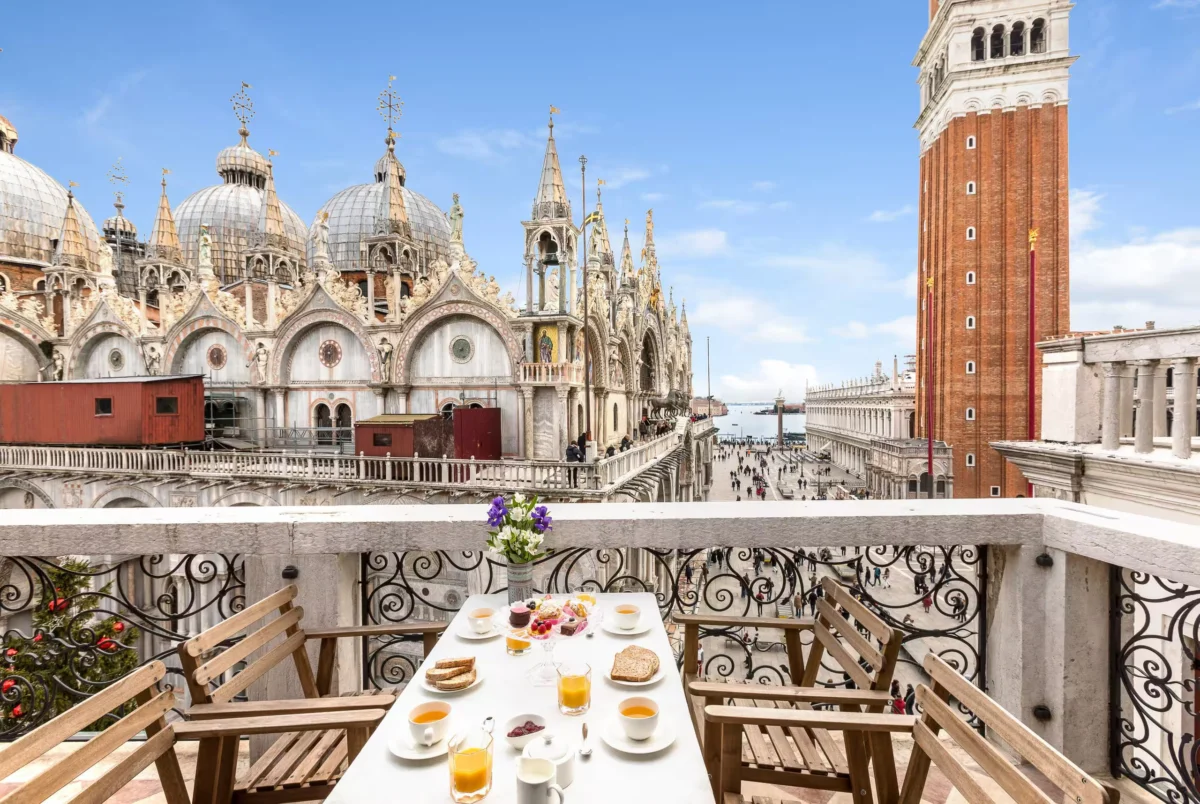
For six years, I have navigated the labyrinthine calli and rii of Venice, yet I feel I have only begun to scratch the surface of this floating masterpiece. La Serenissima—the Most Serene—is, in truth, a dual existence. There is the Venice of the postcard: the shimmering, crowded surface that lures tens of thousands of day-trippers to Piazza San Marco daily. Then, there is the “deeper” city, a place of quiet courtyards, neighborhood bacari (wine bars), and the rhythmic lapping of the lagoon against centuries-old stone.
To truly understand Venice, one must look beyond the marquee hotels and the transient cruise ship flow. It requires a shift in travel philosophy: staying longer, spending consciously, and choosing locally-owned accommodations that reinvest in the city’s fragile ecosystem.
The Dual Anatomy of a Floating City
The challenge of modern Venice is inextricable from its popularity. Decades of overtourism have forced the city to grapple with sustainability, leading to new regulations and a push for visitors to explore beyond the central tourist hubs. While the city offers a plethora of world-renowned luxury hotels, the modern traveler seeking an authentic, slow-paced experience is increasingly turning toward locally-operated vacation rentals.
Choosing an Airbnb or a locally-managed apartment is more than a logistical preference; it is an act of supporting the local economy. When you rent from a resident, your tourism dollars contribute directly to the maintenance of the city’s historic fabric, rather than flowing into the coffers of international hospitality conglomerates.
The Art of Choosing Your Sestiere
Location in Venice is often misunderstood. Many tourists believe they must be in the shadow of the Rialto Bridge to "be in Venice." However, Venice is a remarkably compact, highly walkable city—you can traverse the entire length of the island in about 45 minutes on foot.
For the short-term visitor, proximity to the main sites is a convenience. But for those staying longer, true immersion is found by venturing into the sestieri (districts) of Cannaregio or Dorsoduro. Cannaregio offers an elegant, lived-in atmosphere where the laundry hangs over narrow alleys and the local shops still serve residents rather than tourists. Dorsoduro, conversely, offers a sophisticated, academic vibe, home to the Accademia Gallery and a high density of local students and artisans.
Chronology of a Changing Tourism Landscape
The evolution of Venice’s tourism strategy has been a reactive, often volatile, process over the last decade.
- 2017–2019: The city faced record-breaking numbers, leading to intense debates regarding the "Disneyfication" of the historic center. The call for sustainable tourism became a rallying cry for local activists.
- 2020–2021: The global pandemic brought the city to a standstill. For the first time in generations, the canals ran clear, and the streets belonged to the Venetians. It was a sobering period of reflection on the city’s dependency on mass tourism.
- 2022–2023: As travel returned, the city implemented stricter enforcement of behavior codes and introduced a pilot program for an entry fee to curb day-tripper surges.
- 2024 and Beyond: The focus has shifted toward "slow travel." Local authorities are actively encouraging stays of three nights or more, aiming to distribute visitor traffic more evenly across the calendar and the geography of the island.
Supporting Data: The Impact of Conscious Travel
Recent economic studies on Venetian tourism indicate that the "Day-Tripper Effect"—where visitors arrive in the morning and leave by nightfall—provides minimal economic benefit to local businesses while placing immense strain on infrastructure.
Conversely, overnight guests contribute significantly more to the local tax base, specifically through the tassa di soggiorno (tourist tax), which funds municipal services and conservation efforts. Data suggests that visitors who stay in residential neighborhoods report a 40% higher satisfaction rate regarding their cultural engagement, largely due to the serendipitous interactions with locals that occur outside the main tourist drag.
Official Responses and Municipal Regulation
The City of Venice has been vocal about its intentions to manage the flow of visitors. The Venetian tourism board has explicitly stated that the goal is not to eliminate tourism, but to manage it.
"We are not closing the doors to the world," a representative for the city recently noted in a public briefing. "We are asking for a change in rhythm. We want guests who come to learn, to respect, and to linger."
To this end, the municipality has tightened regulations on short-term rentals, requiring owners to register with a city-wide database and adhere to strict safety and occupancy codes. This ensures that the Airbnb market remains a contributor to the city’s health rather than a contributor to the housing crisis that has seen many local families pushed out of the historic center.
Implications for the Future of Venice
What does this mean for the future of the visitor experience? The implications are twofold. First, the era of the "unrestricted" tourist experience is ending. Expect to see more reservation systems for landmarks and perhaps more zones restricted by foot traffic volume.
Second, the definition of a "good" traveler is changing. The burden of responsibility now rests on the visitor to be a temporary steward. This means:
- Staggering your visits: If you visit during the shoulder season (late spring or early autumn), you avoid the oppressive heat and the crushing crowds of July and August.
- Spending locally: Buy your produce at the Rialto market, drink your morning espresso at a neighborhood bar, and dine at family-run osterie.
- Respecting the silence: Venice is a residential city. Treating the calli as a living neighborhood rather than a film set is the most profound sign of respect a visitor can offer.
FAQ: Navigating the Serenissima
Q: What are the best areas to stay in for a first-time visitor?
A: If you are prioritizing "hardcore" sightseeing, the central sestiere of San Marco is unbeatable. It places you within walking distance of the Doge’s Palace, St. Mark’s Basilica, and the historic cafes of the Piazza. However, for a more authentic, less frantic experience, look at San Polo. It is connected to the center by the Rialto Bridge, meaning you are never more than a five-minute walk from the heart of the action, yet you remain in a district that feels like a neighborhood.
Q: When is the best time to visit to avoid the "tourist traps"?
A: The shoulder season is the gold standard. Early April and late October offer mild weather, fewer queues, and a chance to see the city in its natural light. Winter (November to February) is the wildcard. While it is undeniably cold and the fog can be dense, the atmosphere is hauntingly beautiful. It is the most romantic time to visit, provided you are prepared for the acqua alta (high water) and have the proper footwear.
Q: Why is it important to stay in an Airbnb vs. a Hotel?
A: Both have their place. Large hotels are convenient and provide a certain level of standardized service. However, staying in a locally-managed apartment allows you to live the rhythm of the city. You might find yourself chatting with a neighbor in a courtyard, or buying ingredients for a home-cooked meal at a local market. This creates a bridge between the tourist and the resident, fostering the kind of cross-cultural understanding that helps preserve the city’s soul.
Conclusion
Venice is not a museum; it is a living, breathing, and struggling city. By choosing to stay in residential neighborhoods, supporting local operators, and visiting during the off-peak times, you are not just a tourist—you are a partner in the preservation of one of humanity’s greatest achievements. The deeper you go, the more the city reveals itself. The shimmering lagoon, the winding alleys, and the hidden squares are waiting, provided you take the time to find them.
 Sagoh
Sagoh
 Asro
Asro
