

Welcome back to TechCrunch Mobility, your definitive hub for the rapidly evolving landscape of transportation technology and the deepening integration of artificial intelligence in our daily commute.
As I return from my hiatus, the industry has proven once again that it never truly sleeps. The headlines have been dominated by a significant decoupling in the robotaxi sector, aggressive regulatory posturing from federal authorities, and a flurry of financial maneuvers that underscore the high-stakes nature of the electric vehicle (EV) market.
The Waymo-Uber Divorce: A Harbinger of Market Rivalry
The most notable development during my time away was the quiet dissolution of the Waymo-Uber partnership in Phoenix. While the two companies maintain active robotaxi service agreements in Atlanta and Austin, the Phoenix split signals a potential turning point. The question is no longer if these broader agreements will sunset, but when.
More intriguing than the breakup itself is the inevitable fallout. We are already witnessing a cooling of relations, with Uber executives firing increasingly public, thinly veiled shots at Waymo. Once the remaining partnerships reach their natural conclusion, I expect these passive-aggressive jabs to evolve into direct, head-to-head competition. The primary battleground will likely be regulatory policy, as both companies maneuver to secure operating licenses in highly contested urban markets. As Uber pivots from being a platform partner to a potential direct competitor, the friction in this space will only intensify.
Federal Crackdown: NHTSA’s “Call to Action”
The autonomous vehicle (AV) industry is currently facing a reckoning on the federal stage. Jonathan Morrison, Administrator of the National Highway Traffic Safety Administration (NHTSA), has issued a sharp directive to AV developers, explicitly stating that it is unacceptable for automated vehicles to interfere with first responders or law enforcement.

The Regulatory Mandate
In a statement that carried significant weight, Morrison noted: "Let me be clear: the inability to detect and appropriately respond to such situations represents a functional insufficiency. Emergency scenes are not rare or extreme ‘edge cases.’ As such, NHTSA is today issuing a call to action for AV developers and operators to immediately focus their resources on fixing this issue."
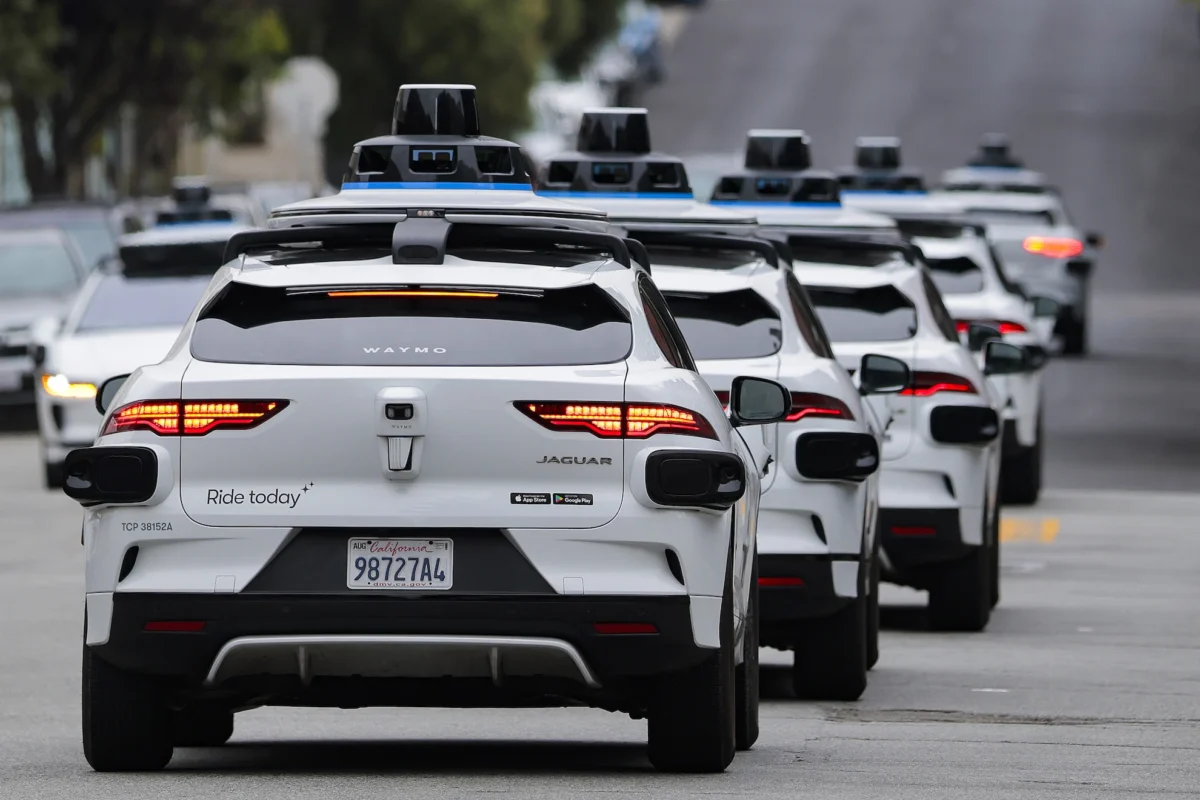
While Morrison’s letter did not name a specific company—it was addressed to every developer listed in the Department of Transportation’s Standing General Order—the message appears to be a pointed critique of Waymo. A recent TechCrunch investigation revealed that Waymo, which operates the largest robotaxi fleet in the U.S., has had recurring, documented run-ins with first responders in Los Angeles, Phoenix, and San Francisco.
Local Tensions and Legislative Inquiry
The pressure is not limited to the federal level. In San Francisco, Supervisor Bilal Mahmood has announced plans to launch a formal inquiry into the impact of AVs on public infrastructure. This move comes on the heels of a chaotic July 4th weekend, where a fireworks show triggered massive gridlock. Local reports confirmed that numerous Waymo vehicles became stranded in the congestion, eventually running out of battery and requiring towing, effectively turning city streets into a parking lot for stalled technology.
The NHTSA has demanded that all operators present viable "solutions" to these interference issues by the end of the month. Whether this leads to substantive regulatory penalties or merely serves as a stern warning remains to be seen, but the era of "move fast and break things" is clearly drawing to a close for the AV sector.
Policy Shifts: The 2026 Regulatory Agenda
Beyond immediate safety concerns, the federal government is laying the groundwork for the future of vehicle design. The recently updated 2026 Regulatory Plan and Unified Agenda contains a comprehensive list of proposed revisions to Federal Motor Vehicle Safety Standards (FMVSS).

These standards, which have historically governed the mechanical requirements of human-driven cars, are finally being modernized to accommodate vehicles without steering wheels, pedals, or rearview mirrors. Companies like Tesla and Zoox stand to benefit significantly from these changes, as they move closer to deploying purpose-built, fully autonomous cabin-on-wheels designs that diverge from traditional automotive ergonomics.
Financial Analysis: The Capital-Intensive Race
While we typically focus on venture capital, this week’s news from Rivian is impossible to ignore. The EV manufacturer announced the sale of 86.25 million Class A common shares at $15.50 each, successfully raising approximately $1.32 billion in fresh capital.
The Rivian Strategy
This cash infusion arrives at a pivotal moment. Rivian has begun deliveries of its highly anticipated R2 SUV and recently upwardly revised its 2026 sales forecast. The company now expects to deliver between 65,000 and 70,000 vehicles, buoyed by strong performance in its commercial delivery van (EDV) and R1 segments. However, the company’s lack of profitability remains a central concern. Scaling production for the R2 platform is a capital-intensive endeavor that will test the company’s operational efficiency over the next 18 months.
Notable Deals and Market Movements
- Bidbus: The Los Angeles-based startup, which has developed a digital marketplace allowing dealers to bid on used cars, successfully closed a $15 million Series A round led by Ibex Investors.
- Lyft’s Expansion: In a move to consolidate its micromobility footprint, Lyft announced the acquisition of Serveo’s bike-share business in Spain. While terms remain undisclosed, this signals Lyft’s continued commitment to integrating multi-modal transit solutions.
- TaiSan’s Battery Bet: The U.K.-based battery startup TaiSan raised £4.65 million in a seed round. Their focus on sodium-ion battery technology represents an intriguing alternative to the lithium-heavy standard, potentially addressing supply chain volatility.
Notable Tidbits and Industry Observations
The week was also marked by several cautionary tales and technological milestones:
- Data Security: AssuranceAmerica confirmed a massive data breach, exposing the personal information and driver’s license numbers of 6.9 million individuals. This represents the largest such spill of driver data in 2026, highlighting the cybersecurity vulnerabilities inherent in the modern insurance and automotive data ecosystem.
- eVTOL Progress: Beta Technologies successfully completed operational flights under the joint DOT/FAA eVTOL Integration Pilot Program. The 275-nautical-mile journey across Virginia and Maryland demonstrates that electric vertical takeoff and landing aircraft are moving steadily toward regulatory certification.
- The Anti-Elon ETF: Reflecting the polarizing nature of modern tech leadership, a new exchange-traded fund has launched that explicitly excludes Tesla, allowing investors to hedge against—or divest from—the influence of Elon Musk.
- The Chevrolet Question: Senior reporter Tim De Chant has raised a valid question regarding the Chevrolet EV truck: despite being a "built-in-America" product, sales have been lackluster. Is it a branding issue, or has the market for full-sized electric trucks reached a temporary saturation point?
- Manna Aero: The Irish drone delivery startup is embarking on a massive U.S. expansion, establishing an operations center in Tulsa, Oklahoma, with the goal of hiring 1,000 employees over the next few years. This underscores the growing viability of autonomous aerial logistics in the American Midwest.
Closing Thoughts: Build Mode
For our early-stage founder audience, I highly recommend checking out the third season of the Build Mode podcast. Hosted by Isabelle Johannessen, who leads our Startup Battlefield program, this season kicks off with Charles Hudson of Precursor Ventures. He provides an essential masterclass on navigating the complexities of the first institutional funding round—a must-listen for anyone currently in the "trenches" of startup development.

As the industry continues to balance the promise of autonomous technology with the harsh realities of safety, regulation, and capital management, TechCrunch Mobility will remain your constant companion. We aren’t just watching the future of transportation; we are analyzing the friction that defines it.
Got a tip for us? Email Kirsten Korosec at [email protected] or reach out via Signal at kkorosec.07. You can also contact Sean O’Kane at [email protected].
Disclaimer: When you purchase through links in our articles, we may earn a small commission. This does not affect our editorial independence.
 Asep Darmawan
 Siti Muinah
 Ali Ikhwan
