

The landscape of American media is currently facing its most significant existential challenge to date. At a staggering valuation of $110 billion, the proposed merger between Paramount and Warner Bros. Discovery (WBD) represents the largest media consolidation in history. However, what was intended to be a swift coronation for David Ellison’s Skydance-led Paramount has instead transformed into a high-stakes legal drama.
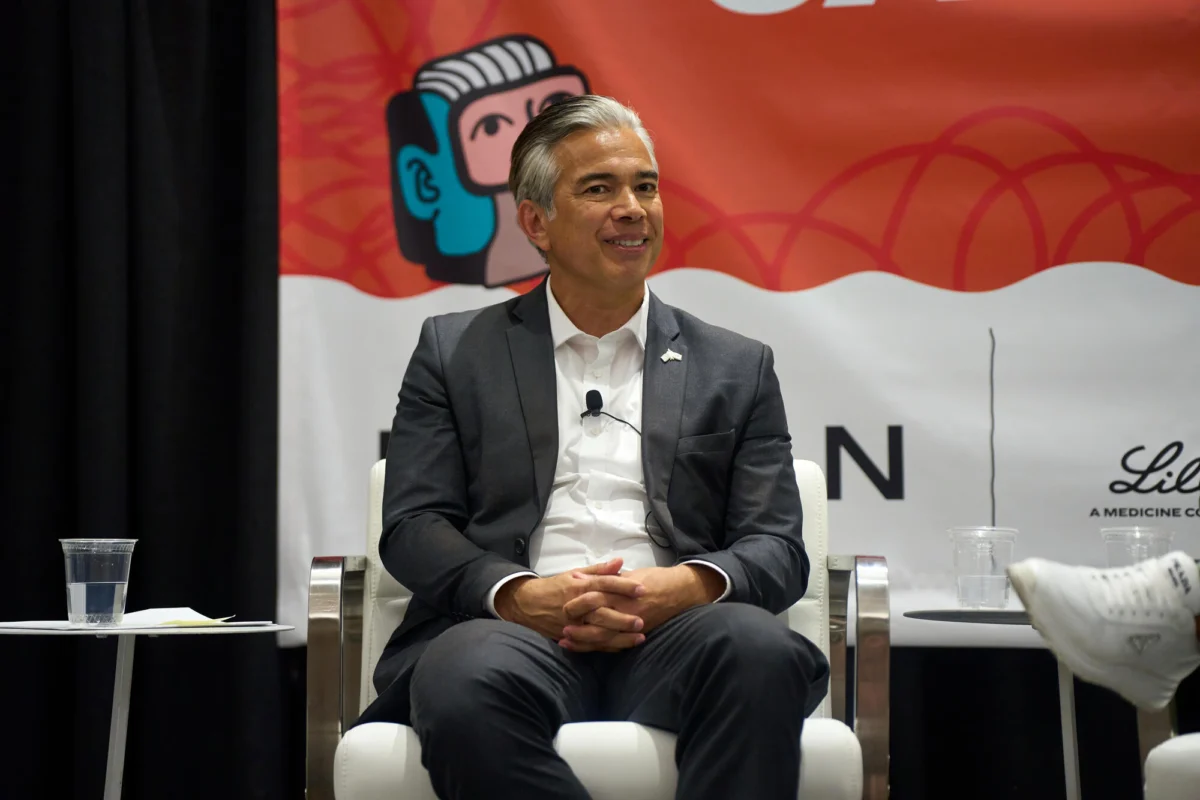
This week, the "seismic shift" the industry has braced for hit a wall of regulatory and labor-led resistance. Twelve states, spearheaded by California Attorney General Rob Bonta, have filed a massive antitrust lawsuit aimed at dismantling the deal before it can cross the finish line. Coupled with a concurrent lawsuit from the Writers Guild of America (WGA), the merger is now navigating a gauntlet of litigation that threatens to delay or permanently alter the future of Hollywood.
Main Facts: A Tri-Fold Legal Assault
The core of the opposition to the Paramount-WBD merger rests on the allegation that the combination is fundamentally unlawful under the Clayton Act. The lawsuit, led by California and joined by 11 other states, seeks a full permanent injunction to block the transaction in its entirety.
The legal challenge identifies three specific "product markets" where the combined entity would allegedly wield anti-competitive power:

- Theatrical Motion Pictures: The states argue that reducing the number of major studios will lead to fewer films being produced and distributed.
- Theatrical "Tentpole" Blockbusters: The lawsuit makes a rare distinction for high-budget, high-grossing films, claiming the merged company would control an outsized portion of the year’s most critical cultural and financial releases.
- The Cable Channel Market: This is perhaps the most "cut and dry" aspect of the suit, focusing on the combined leverage the company would have over cable providers (like Charter and Cox) to dictate carriage fees.
Simultaneously, the WGA has entered the fray with its own litigation. The Guild alleges that the merger would create a "monopsony" (a market with only one or a few buyers), significantly reducing the number of employers for writers. They argue this lack of competition will inevitably lead to lower wages, fewer residual opportunities, and a diminished bargaining position for creative talent across the industry.
Chronology: The Path to the "Line in the Sand"
The road to this $110 billion merger has been anything but linear. To understand the current legal deadlock, one must look at the rapid-fire developments of the last several months:
- Early 2026: Rumors of a Paramount-WBD combination begin to circulate as both companies struggle with the transition from linear television to streaming profitability.
- April 2026: During CinemaCon in Las Vegas, David Ellison makes a public commitment to the theatrical experience, promising an output of 30 movies per year between the two storied studios.
- May–June 2026: Regulatory scrutiny intensifies. While the Department of Justice (DOJ) initially signals it may not challenge the merger at a federal level, state-level attorneys general begin coordinating their own investigation.
- July 2026: Paramount begins preparations to close the transaction, targeting a late-September deadline to avoid massive quarterly penalty fees owed to shareholders.
- July 12, 2026: Reports surface via Semafor that Paramount is considering relocating its corporate headquarters out of California—potentially to Texas or New Jersey—as a preemptive strike against a rumored California-led lawsuit.
- July 14, 2026: The WGA files its lawsuit to block the merger, citing labor market harm.
- July 15, 2026: Led by Rob Bonta, 12 states officially file their antitrust lawsuit, seeking a judge’s order to halt the deal.
Supporting Data: The Concentration of Power
The states’ lawsuit is backed by specific market share data intended to illustrate the "unprecedented" concentration of media power. According to the filing:
The Cable Dominance
The combined Paramount-WBD would control approximately 34% of all U.S. cable channels. In an industry where "bundling" is the standard, this gives the new entity the power to force cable providers to carry less-popular channels in exchange for "must-have" assets like CNN, HBO, and CBS Sports. This leverage often results in higher monthly bills for consumers, which the states argue constitutes direct economic harm.

The Theatrical Landscape
The lawsuit claims that the merged company would control:
- 27% of all theatrical releases in the United States.
- 30% of all "tentpole" blockbusters (defined by budget and historical box office performance).
Legal experts note that defining a market based on "success" (tentpoles) is unconventional. However, the states point to the 2019 Disney-Fox merger as a cautionary tale, suggesting that such consolidations lead to a net decrease in the total number of films produced, which in turn hurts the survival of movie theaters.
The Financial Stakes
Paramount is operating under a "ticking clock." The merger agreement includes a provision that if the deal does not close by September 30, Paramount must pay shareholders a daily fee for every day the transaction remains in limbo. These fees could run into the millions, creating an urgent financial incentive for the company to settle with the states or secure a quick legal victory.
Official Responses: Posturing vs. Legal Reality
The responses from the involved parties reflect a deep divide between corporate strategy and regulatory oversight.

Attorney General Rob Bonta has been vocal in his defense of the lawsuit, appearing on industry podcasts to clarify his position. Bonta argues that the merger isn’t just a business deal; it’s a threat to the "vibrancy of the creative economy." He has dismissed the idea that selling off a single asset—like CNN—would be enough to satisfy the legal concerns. "This is about the entire ecosystem," Bonta stated, emphasizing that the harm to consumers and workers cannot be mitigated by minor divestitures.
Paramount and Skydance have remained steadfast. In a recent appearance on CNBC, legal representatives for the companies reiterated David Ellison’s commitment to theatrical cinema. They argue that the merger is actually pro-competitive, as it allows Paramount to reach the scale necessary to compete with "Big Tech" giants like Netflix, Amazon, and Apple. They contend that without this merger, Paramount’s ability to fund high-budget theatrical films would be in jeopardy.
The Writers Guild of America issued a stern statement alongside their filing: "Consolidation has already gutted the middle class of this industry. Allowing the two largest content libraries in the world to merge under one roof will effectively end the competitive market for writers’ services."
Implications: The Future of the "Big Three"
The outcome of this legal battle will dictate the shape of Hollywood for the next decade. There are three primary scenarios that industry analysts and legal experts are currently weighing:

1. The Settlement and Divestiture Path
Most experts believe a full block of the merger is unlikely. Instead, the states may use the lawsuit as leverage to force Paramount into a "consent decree." This could involve:
- Divesting Cable Assets: Paramount might be forced to sell off certain cable networks or spin them into a separate entity (similar to Comcast’s recent moves) to reduce their 34% market share.
- The "CNN" Sacrifice: There is persistent talk that selling CNN to a third party (and keeping it away from CBS News) might be the "political win" Bonta and other AGs need to drop the suit.
- Enforceable Production Quotas: A judge could mandate that the combined company must release a minimum number of theatrical films per year, turning Ellison’s "30-movie promise" into a legally binding requirement.
2. The Geographic Pivot
The threat of Paramount leaving California remains a wild card. While experts like Corey Martin of Granderson Des Rochers view this as "posturing," the move to a more business-friendly state like Texas would be a massive blow to California’s tax base and its status as the world’s entertainment capital. If the regulatory environment in California is deemed "too hostile," the physical landscape of film production could shift toward the East Coast or the South.
3. The "Netflix Scale" Problem
The most significant implication is what happens if the merger fails. If Paramount and WBD are unable to combine, analysts worry they will remain "sub-scale" in the streaming wars. Without the combined library of HBO, Paramount+, and Max, neither company may have the "churn-proof" content needed to survive against Netflix. The states argue the merger hurts competition, but Paramount’s lawyers argue that blocking it might lead to the eventual collapse of one or both companies—a result that would leave even less competition in the market.
As the September 30 deadline approaches, the industry is watching the court of Judge Araceli Martínez-Olguín in Northern California. Whether through a landmark trial or a backroom settlement, the $110 billion "Top Gun" maneuver of the media world is now flying through its most turbulent airspace yet.
 Jia Lissa
 Lina Irawan
 Iffa Jayyana
