

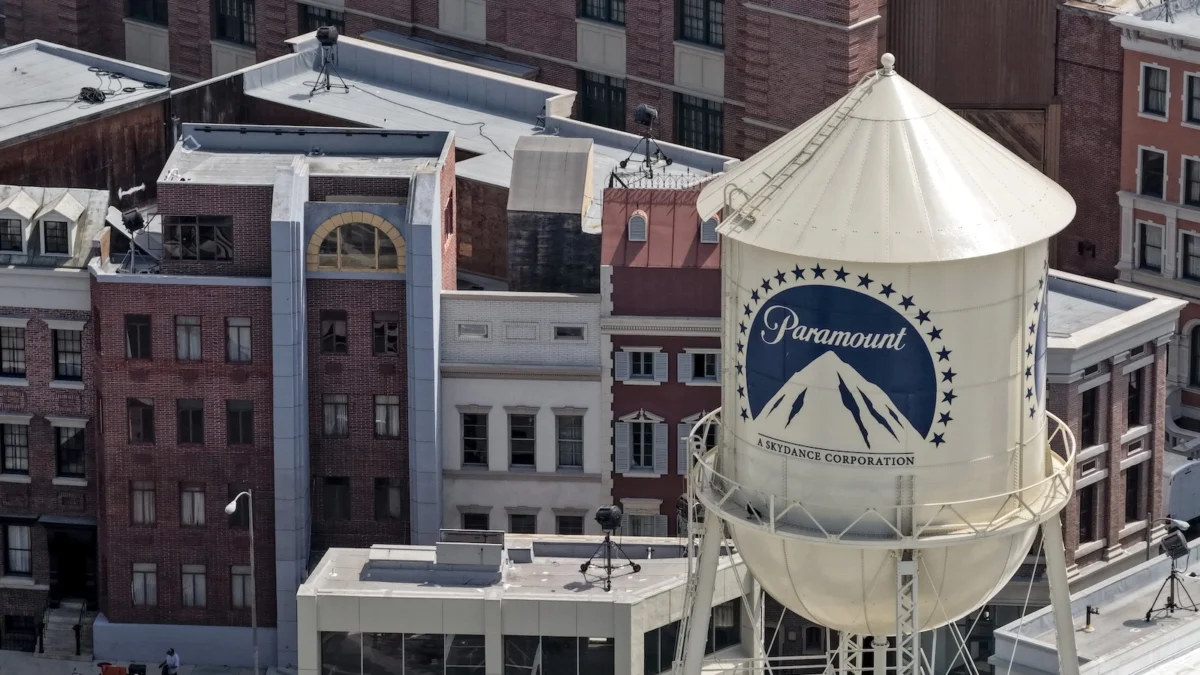
In a move that promises to redefine the landscape of global media, Paramount and Warner Bros. Discovery (WBD) are on the cusp of finalizing a historic $111 billion merger. This consolidation, widely regarded as the largest in the history of the entertainment industry, represents a seismic shift in how content is produced, distributed, and consumed. After months of legal maneuvering and intense scrutiny from state regulators, the path toward the creation of a singular media titan is finally clear, following a landmark settlement that addresses critical concerns regarding labor, theatrical output, and editorial independence.
The Final Hurdle: Resolving the Antitrust Standoff
The merger had been stalled by a coalition of 12 states, led by California Attorney General Rob Bonta, who launched an aggressive antitrust lawsuit in July. The states argued that the combination of two major film studios and a vast array of cable networks would result in an anti-competitive environment, stifling innovation and limiting choices for consumers.
The breakthrough came this week when Paramount reached a settlement agreement with the coalition. By offering significant concessions—most notably a $1.5 billion commitment to film production within California over the next five years—Paramount effectively neutralized the threat of litigation. This capital injection is designed to sustain the state’s “entertainment working community,” a workforce that has been deeply anxious about the potential for mass layoffs and the erosion of local production infrastructure.
A Chronology of the Consolidation
The journey to this $111 billion deal has been characterized by high-stakes brinkmanship. Following the initial announcement of intent, the deal faced immediate backlash from labor unions, including the WGA, and state attorneys general.
- July 2026: A coalition of 12 states, spearheaded by California, files a lawsuit to block the merger, citing fears of excessive market consolidation and the potential for a massive reduction in theatrical film output.
- August 2026: Paramount begins exploring the relocation of its corporate headquarters to states like Tennessee, citing a "hostile" regulatory environment in California. This move was widely interpreted as a tactical maneuver to pressure state regulators.
- September 2026: With a looming "ticking fee"—a financial penalty that would have required Paramount to pay WBD shareholders millions of dollars per day starting October 1—the pressure to reach a settlement hit a fever pitch.
- Late September 2026: Paramount enters final-stage negotiations with Attorney General Bonta. The resulting deal includes not only the $1.5 billion California investment but also ironclad commitments regarding journalistic independence and annual theatrical production quotas.
The Structural Anatomy of a Media Giant
The combined entity will possess an unprecedented library of intellectual property. By bringing together Paramount Pictures and Warner Bros. Pictures, the new company will control some of the most lucrative franchises in cinematic history.
On the streaming front, the merger of HBO Max and Paramount+ will create a direct-to-consumer powerhouse capable of rivaling Netflix and Disney+ in scale and breadth. The cable portfolio is equally staggering, spanning networks such as HBO, Discovery, Food Network, TNT, TBS, CNN, TCM, MTV, Comedy Central, and the Paramount Network.

However, the sheer size of the company has raised questions about potential divestitures. While it remains unclear if Paramount will be forced to spin off any of its cable assets, the agreement to implement a "board of journalists" to oversee the editorial integrity of CNN and CBS News represents a unique governance structure aimed at preventing corporate influence over news coverage.
Official Responses and Strategic Vision
David Ellison, the visionary behind the deal, framed the merger as a "pro-competitive, pro-worker" evolution for the industry. In a formal statement following the settlement, Ellison emphasized that the goal was never to shrink the ecosystem, but to fortify it against the pressures of the digital age.
"We are grateful to Attorney General Bonta and his fellow AGs, as well as the WGA, for engaging in good faith to find a path forward," Ellison stated. "Our shared aim was an outcome that best serves consumers, workers, and—most importantly—the creative community so vital to the art of visual storytelling."
Ellison further addressed the concerns regarding theatrical exhibition, reiterating his pledge to ensure a steady pipeline of content for cinemas. "We’re confident this agreement does exactly that, memorializing a series of commitments that include 30-plus films annually and expanded U.S. film production to help revitalize our industry here at home."
Implications for the Creative Community
The most pressing question for Hollywood professionals remains: what happens to the jobs? The specter of a post-merger layoff cycle—similar to what was observed during the Disney-Fox acquisition—has loomed large. The $1.5 billion investment in California production is intended to mitigate these fears, but critics remain skeptical about the long-term sustainability of such promises.
The "30-film annual pledge" is perhaps the most scrutinized element of the agreement. While the three major theater chains—AMC, Regal, and Cinemark—have publicly supported the merger, industry analysts warn that the enforcement of these quotas is difficult. To address this, the settlement reportedly includes "teeth"—significant financial penalties that Paramount will incur if it fails to hit its theatrical release targets. These films are also expected to adhere to a 45-day exclusive theatrical window, a compromise intended to appease theater owners while still allowing for a transition to streaming platforms.

The Future of News and Journalism
One of the most delicate aspects of the merger is the integration of two of the world’s most prominent news organizations: CNN and CBS News. In an era of heightened political sensitivity, the prospect of a single entity controlling these platforms has alarmed regulators.
The implementation of an independent oversight board for news content is an unprecedented move. This body, comprised of veteran journalists and industry ethicists, will be tasked with insulating the editorial rooms from the commercial pressures of the parent company. Whether this structure will hold up under the weight of corporate demands or provide a genuine firewall remains to be seen.
The Broader Market Landscape
This merger does not exist in a vacuum. It is the latest, and perhaps final, major "mega-merger" in an industry that has been consolidating for over a decade. By finalizing this deal, Paramount and WBD are signaling that in the current economic climate, size is the only defense against the dominance of big-tech streamers.
For the audience, the result may be a double-edged sword. On one hand, the combined company will have the capital to produce high-budget spectacles that smaller studios cannot afford. On the other, the reduction in competition could lead to higher subscription prices and a more homogenous approach to content development.
As the industry pivots toward the post-merger era, all eyes will be on David Ellison’s ability to execute this complex integration. The commitments made to the state of California and the labor unions are now legally binding, creating a regulatory framework that will be closely monitored for years to come. The era of the "Mega-Studio" is here; whether it will result in a more robust Hollywood or a fragile monopoly will be the defining narrative of the next decade.
For now, the ticking fees are silenced, the lawsuits are settled, and the biggest media company in history is officially ready to begin its operations. The challenge ahead is no longer just about merging balance sheets—it is about proving that a company of this scale can still foster the creativity and diversity that the global audience demands.
 Jia Lissa
 Lina Irawan
 Iffa Jayyana
