

Welcome to Taste Test, where every week our critic Jonah Flicker explores the most buzzworthy and interesting whiskeys in the world. Check back each Sunday for his latest whiskey review.
In the crowded landscape of celebrity-backed spirits, the narrative is often predictable. A famous face appears, a contract is signed, and a brand is launched with little more than marketing muscle behind it. For years, this model has dominated the tequila industry, where rapid production cycles allow for a quick turnaround from concept to shelf. Whiskey, however, demands patience. Because the spirit must endure the unpredictable passage of time in a charred oak barrel, it is a venture that requires more than just a famous name; it requires a genuine commitment to the craft of maturation.
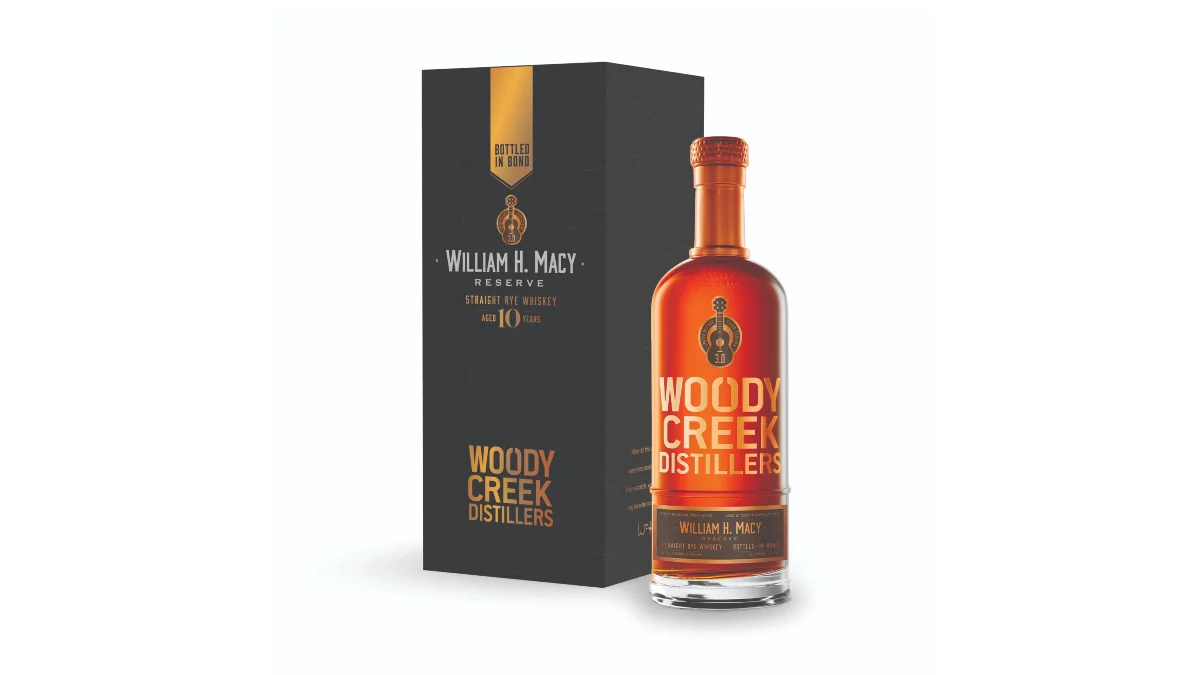
This is the challenge that actor William H. Macy has navigated since 2018, when he signed on as an investor and self-proclaimed "spokesdude" for Woody Creek Distillers in Colorado. While many celebrity partnerships are superficial, Macy’s latest release—the William H. Macy Reserve Rye Third Edition—suggests that he has moved past the role of a mere figurehead. This 10-year-old, bottled-in-bond rye is a sophisticated, assertive spirit that challenges the status quo of modern American whiskey.
The Foundation: A Colorado Distillery’s Journey
Woody Creek Distillers was founded in 2012 by Mary and Pat Scanlan, along with their partner Mark Kleckner, in the heart of the Colorado Rockies. From the outset, the distillery distinguished itself by focusing on control—growing their own potatoes for vodka and sourcing high-quality grains for their whiskey.
Unlike many distilleries that rely on the "sourced" model—purchasing barrels from large-scale producers and rebranding them—Woody Creek has spent the last decade building a reputation for vertical integration and hands-on production. It is within this ecosystem that the collaboration with William H. Macy was born. The partnership was never intended to be a vanity project; rather, it was conceived as a long-term investment in the distillery’s ability to age high-quality liquid.
Chronology of a Collaboration
The timeline of the William H. Macy Reserve Rye series serves as a case study in how a brand can evolve through experimentation.
- 2018: William H. Macy joins Woody Creek Distillers as an investor and brand ambassador, marking a significant shift for the distillery as it looks to expand its footprint in the premium whiskey market.
- The Early Years: During the first two releases, the distillery experimented with drastically different mashbills. The first edition utilized a recipe of 80 percent rye and 20 percent malted barley. The second edition pushed the boundaries further, opting for a 100 percent rye mashbill.
- 2024 (The Third Edition): The current release represents a pivot toward a more complex, structured profile. After rigorous blind tastings involving Macy, head of distillation Stephen Julander, the Scanlans, and renowned bar industry veteran Sean Kenyon, the team settled on a blend derived from just five barrels of 10-year-old liquid.
Supporting Data: The Anatomy of the Third Edition
The William H. Macy Reserve Rye Third Edition is not simply a high-age-statement bottle; it is a technical achievement in grain selection and climate-controlled maturation. The mashbill consists of 83 percent Elbon rye—a winter varietal grown locally in Colorado—14 percent Dent corn, and three percent malted barley.
The choice of Elbon rye is critical to the flavor profile. Elbon is known for its hardy nature and distinctively spicy, complex character. When grown in the high-altitude environment of Colorado, the grain develops a profile that differs significantly from the rye grown in the humid climes of Kentucky or the industrial farms of Indiana.
Furthermore, the spirit is bottled-in-bond. This designation, codified by the Bottled-in-Bond Act of 1897, acts as a hallmark of quality and integrity. To carry this label, the whiskey must:
- Be the product of one distillation season.
- Be produced by one distillery.
- Be aged in a federally bonded warehouse for at least four years.
- Be bottled at exactly 100 proof (50% ABV).
By meeting these requirements, Woody Creek guarantees that the liquid in the bottle is untainted, unadulterated, and a pure reflection of the distillery’s specific climate and process.
Official Responses and The Tasting Experience
The process of creating this whiskey involved a collaborative sensory evaluation. According to the brand, Macy was not a passive observer but an active participant in the blending process.

"Macy was instrumental in selecting the liquid that went into this bottle," a distillery representative noted. "He sat through the same blind tasting sessions as the professional distillers, judging the samples not based on his brand, but on the merit of the flavor profile."
On the palate, the results are striking. This is not a "gentle" rye. It is an assertive, dry, and spicy expression that stands in stark contrast to the common 95/5 rye whiskeys (95% rye, 5% malted barley) that have flooded the market from large contract distilleries like MGP.
The nose is greeted with intense notes of menthol, pine, and orange zest. On the palate, the whiskey is deep and resonant, featuring a complex interplay of licorice, grape jelly, and a distinct oak backbone. The finish is long, characterized by barrel-aged maple syrup and a lingering coriander spice. At 100 proof, it is robust enough to stand up to a large ice cube, yet nuanced enough to be enjoyed neat. While the $200 price point may cause some to hesitate, its versatility in a classic Manhattan cocktail is unmatched, proving that this is a bottle meant for consumption, not just display.
Implications for the Celebrity Whiskey Market
The success of the William H. Macy Reserve Rye series carries broader implications for the spirits industry. As consumers become more educated and discerning, the "celebrity halo" effect is diminishing. Today’s whiskey drinker is less interested in the face on the label and more interested in the mashbill, the age statement, and the transparency of the production process.
By choosing to release a 10-year-old, bottled-in-bond rye, Woody Creek and Macy are betting on the "enthusiast" demographic. They are signaling that they have the patience to hold inventory for a decade and the confidence to release a product that doesn’t rely on the cloying sweetness often found in celebrity-endorsed bourbons.
This release also highlights the growing prestige of Colorado whiskey. As the industry moves away from the absolute dominance of Kentucky, regional distilleries that focus on local grains and high-altitude aging are finding a larger seat at the table. If Woody Creek continues to iterate on their recipes—perhaps experimenting with different cask finishes or even older age statements—they have the potential to become a standard-bearer for the "New West" style of American whiskey.
Final Assessment: A Worthy Investment
Ultimately, the William H. Macy Reserve Rye Third Edition is a success because it respects the liquid. It avoids the traps of mass-market appeal and instead offers an uncompromising, flavor-forward experience that rewards the curious drinker.
While the $200 price tag reflects the rarity of a 10-year-old single-distillery release, the quality is undeniably present. It is a bold, spicy, and deeply characterful rye that serves as a testament to what happens when an actor puts his reputation on the line—not for a quick payout, but for a high-quality product.
Score: 89
As we look toward the future of this partnership, the possibilities remain open. Whether the next iteration brings a shift in the mashbill or a push toward even older expressions, one thing is certain: for the hardcore rye lover, the Woody Creek and Macy collaboration has firmly established itself as a brand to watch. It is a reminder that in the world of fine spirits, time, geography, and a genuine palate are the only ingredients that truly matter.
 Evan Lee Salim
 Asep Darmawan
 Laily UPN
