

By Editorial Staff
Published July 1, 2026
While the broader spirits industry faces a period of cooling demand and shifting consumer habits, the world of high-end spirits auctions remains a bastion of fervor and record-breaking valuations. For years, the secondary market for fine spirits has been dominated by the titans of brown spirits: rare Japanese whiskies, vintage Macallan scotches, and the elusive "unicorn" bourbons from Kentucky’s legendary distilleries. However, a seismic shift has occurred at Sotheby’s.
A rare bottle of Clase Azul tequila has officially claimed the title of the most expensive tequila ever sold at auction, fetching a staggering $35,000. This milestone does more than merely burnish the reputation of a luxury brand; it signals that the world’s most sophisticated collectors are finally looking beyond the grain and turning their attention toward the complex, storied world of agave spirits.
The Main Event: A $35,000 Record
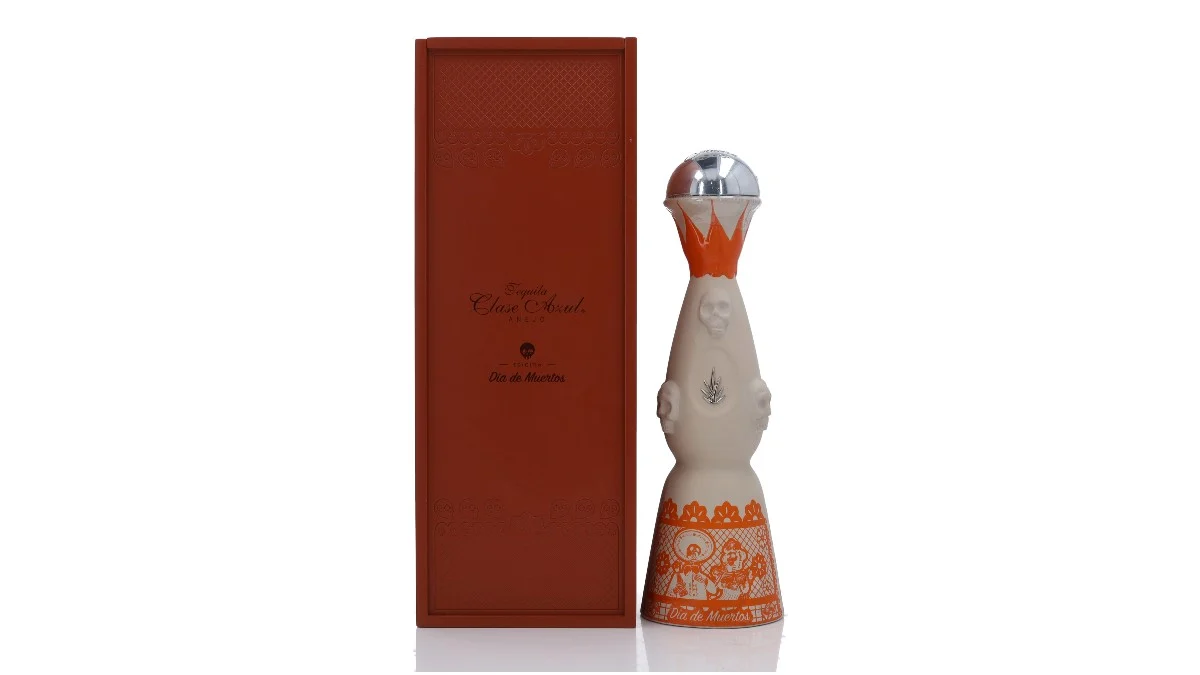
The record-setting sale took place during Sotheby’s "Whisky & Whiskey | Single Cask Summer" online auction. The object of desire was an añejo tequila released by the luxury powerhouse Clase Azul back in 2017.
When the lot first appeared on the auction block, experts and market analysts were optimistic, placing an initial valuation estimate between $8,000 and $12,000. These figures were based on historical secondary market trends and the inherent rarity of the piece. Yet, the bidding process quickly transcended these projections, driven by a surge of interest from high-net-worth collectors. When the dust settled, the final hammer price—inclusive of buyer’s premiums and taxes—hit $35,000.
This figure soundly defeated the previous record holder: a bottle of Jose Cuervo “Rolling Stones Edition” 250th Anniversary Extra Añejo Tequila, which had commanded $24,265. The leap from the previous record to this new benchmark is not merely a matter of a few thousand dollars; it represents a fundamental repricing of what a "blue-chip" tequila can command in a global marketplace.
The History of the Bottle: From Cabo to Global Icon
To understand the astronomical value of this specific bottle, one must look at its origins. Clase Azul is not merely a distiller; it is a luxury house that treats its decanters as fine art. Each bottle is hand-sculpted and hand-painted by local artisans in Mexico, often leading to a secondary life for the vessels as home décor long after the tequila has been consumed.
The record-breaking bottle was part of the prestigious Día de Muertos series—a line specifically crafted to honor the sacred Mexican tradition of the Day of the Dead. When it was first released in 2017, the production run was incredibly limited, totaling only 300 bottles. At the time of its release, the bottle was not available to the global public; it was restricted to a single point of sale in Cabo San Lucas, Mexico.
At that initial moment in 2017, the retail price was a modest $250. To see that same liquid and vessel appreciate by 14,000% in less than a decade is a testament to the brand’s cult-like following and the scarcity-driven mechanics of the modern spirits market.
Supporting Data: A Competitive Landscape
The Sotheby’s auction was not an isolated event of high prices; it served as a microcosm of the current thirst for rare, high-quality spirits. While the Clase Azul tequila stole the headlines, other lots illustrated the sheer depth of the current auction market.
A bottle of Van Winkle 19-Year-Old Special Reserve, specifically selected for the esteemed Corti Brothers Wine Merchants in Sacramento, California, commanded a price of $25,000. Similarly, a bottle of the ultra-luxurious Rémy Martin Louis XIII Cognac "Ultra Rare Red" achieved a hammer price of $20,000.

These figures demonstrate that while the "spirits downturn" may be affecting mass-market retail sales, the ultra-premium tier—those bottles with provenance, age, and extreme scarcity—remains entirely insulated from the volatility of the economy. Investors and collectors are increasingly treating rare spirits as "liquid assets," diversifying their portfolios away from traditional stocks and into rare, tangible commodities that have shown consistent historical growth.
Official Perspectives: The View from the Auction Block
Jonny Fowle, the Global Head of Spirits at Sotheby’s, believes this result is a harbinger of a broader trend. In a formal statement following the auction, Fowle noted that the tequila and mezcal categories have experienced exponential growth in consumer interest, but the secondary market has remained historically underdeveloped compared to wine or whisky.
"This is a very interesting time for tequila," Fowle said. "Tequila and mezcal have seen huge growth in recent years and, anecdotally, I have noticed many whiskey drinkers in America turning to agave spirits. However, tequila’s secondary market activity is very much in its infancy. This is the first big result for one of the industry’s most iconic brands, Clase Azul, which could mark the dawn of a new boom for collectible tequila."
Fowle’s perspective is bolstered by the demographic shifts in luxury consumption. Younger, affluent collectors who were raised on the narrative of small-batch bourbon and rare scotch are now finding that the heritage, craftsmanship, and artisanal production of premium tequila offer a comparable—if not more complex—sensory experience.
The Implications: Why Tequila is Poised for a Boom
The implications of this $35,000 sale are profound for several key stakeholders in the industry.
1. The Institutionalization of Agave
Until recently, tequila was often viewed as a commodity spirit, largely associated with mass-market margaritas or entry-level shots. This sale cements the transition of tequila into the "fine spirits" category, sitting comfortably alongside the most expensive single malts and cognacs. We can expect to see more dedicated auction lots for agave spirits in the coming years.
2. The Scarcity Model
Clase Azul’s strategy of limited-edition, artist-collaborative releases has effectively created a playbook for other high-end producers. By restricting supply and tying the product to cultural events like Día de Muertos, the brand has successfully turned its products into "investable" art. Expect to see other premium tequila producers lean into this model, releasing ultra-limited runs designed specifically for the collector’s market.
3. Investor Diversification
As investors look for alternatives to traditional equity markets, rare spirits provide a physical asset that is uncorrelated with the stock market. With the success of this auction, tequila now joins the list of "alternative investments" that financial advisors might suggest to wealthy clients looking for passion-based assets that also serve as stores of value.
4. The "Whiskey Pivot"
Perhaps most importantly, the movement of seasoned whiskey drinkers toward tequila—as noted by Fowle—suggests a pivot in the global palate. The "whiskey fatigue" that some collectors feel after years of chasing increasingly expensive, yet often younger, bourbon releases is leading them to explore the nuanced, volcanic soil-influenced profiles of high-end añejo and extra añejo tequilas.
Conclusion: A New Frontier
The sale of this Clase Azul decanter at Sotheby’s is more than just a headline; it is a milestone in the evolution of the global spirits trade. As the secondary market for spirits matures, the spotlight will inevitably widen to include categories that have long been undervalued.
Tequila has finally arrived at the top table of auction houses. For collectors who have spent the last decade building cellars of Pappy Van Winkle and Macallan, the message is clear: the next great frontier for investment and appreciation is made from agave. As we look toward the remainder of 2026, all eyes will be on whether this record-breaking sale is an anomaly or the first ripple in a massive wave of interest that will fundamentally change the landscape of the luxury spirits market forever.
 Evan Lee Salim
 Asep Darmawan
 Laily UPN
