By Beauty Technology & Industry Desk Published: November 2026
Main Facts: The Intersection of Artificial Intelligence and Thermal Styling
In an era where the term "AI" is routinely appended to everything from coffee makers to software toolbars, consumer skepticism is entirely warranted. When beauty brands claim artificial intelligence integration, consumers and beauty editors alike often brace for little more than a marketing gimmick designed to inflate price points. However, a seismic shift is occurring in the hair care sector, led by heritage styling giant GHD and its flagship release, the GHD Sculpt.
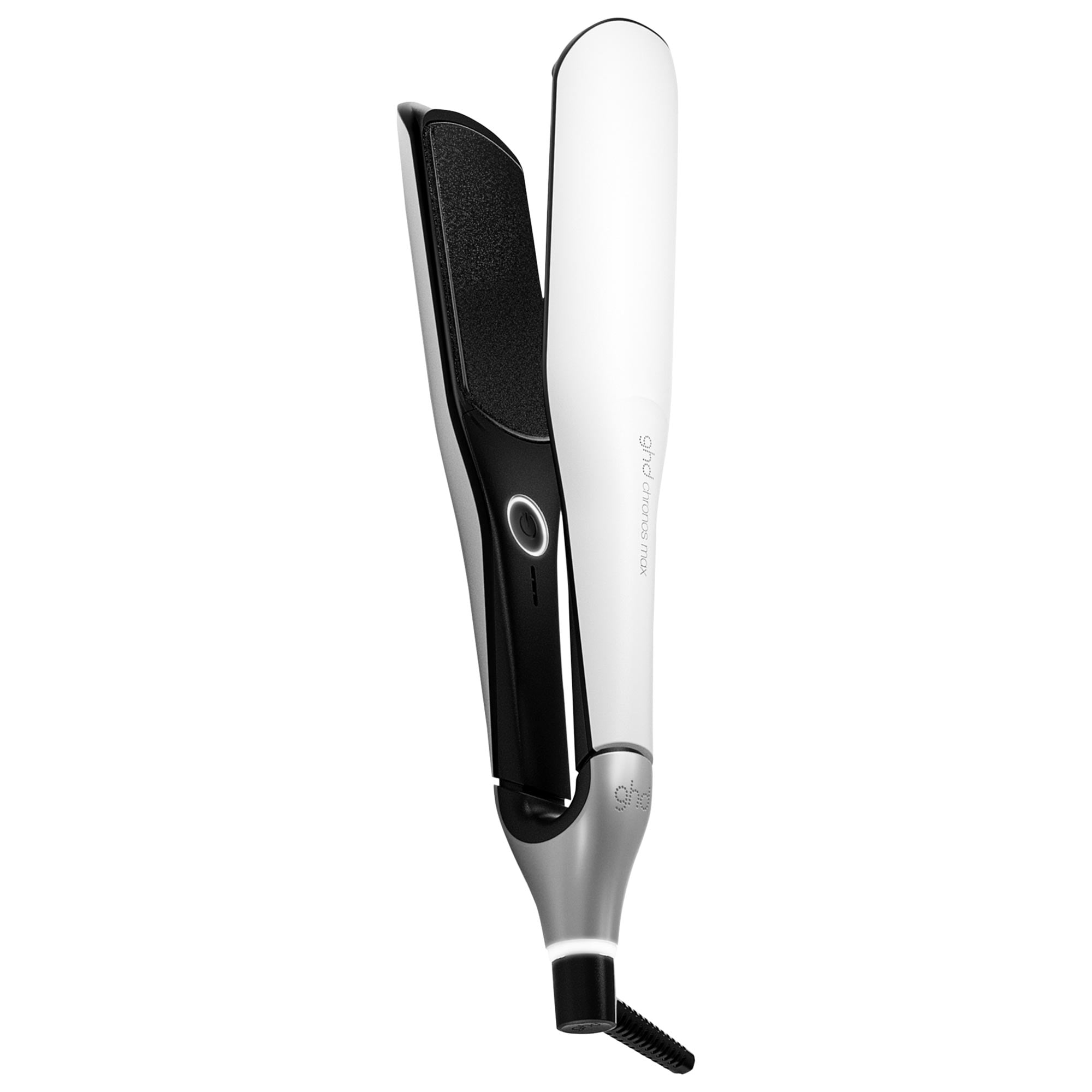
At its core, the GHD Sculpt is not merely another flat-iron featuring digital temperature control. It represents the industry’s first interactive smart-styler powered by an integrated AI micro-processor. Rather than regulating the temperature of the external ceramic plates—the traditional industry standard for preventing hot spots—the Sculpt evaluates and regulates the actual temperature of the hair strand itself in real time.
Key technical specifications and performance metrics of the device include:
Real-Time Data Processing: The device executes 2,900 measurements per second, tracking section thickness, movement speed, and hair texture.
Dynamic Heat Adaptation: The processor automatically modulates heat up to the optimal threshold of 365°F on a stroke-by-stroke basis.
Clinical Safety Claims: Independent and brand-led clinical testing purports zero statistically significant heat damage compared to virgin hair when used correctly.
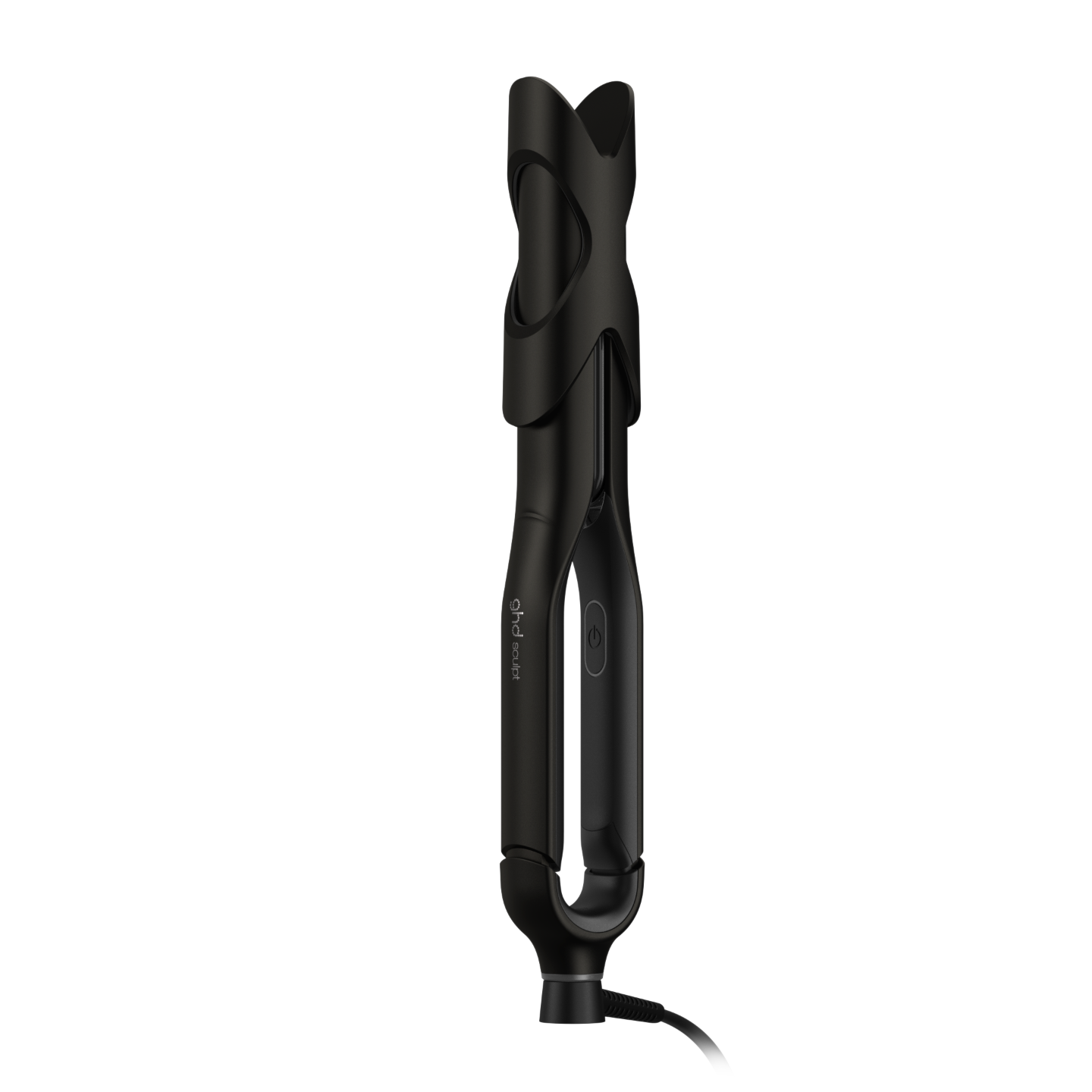
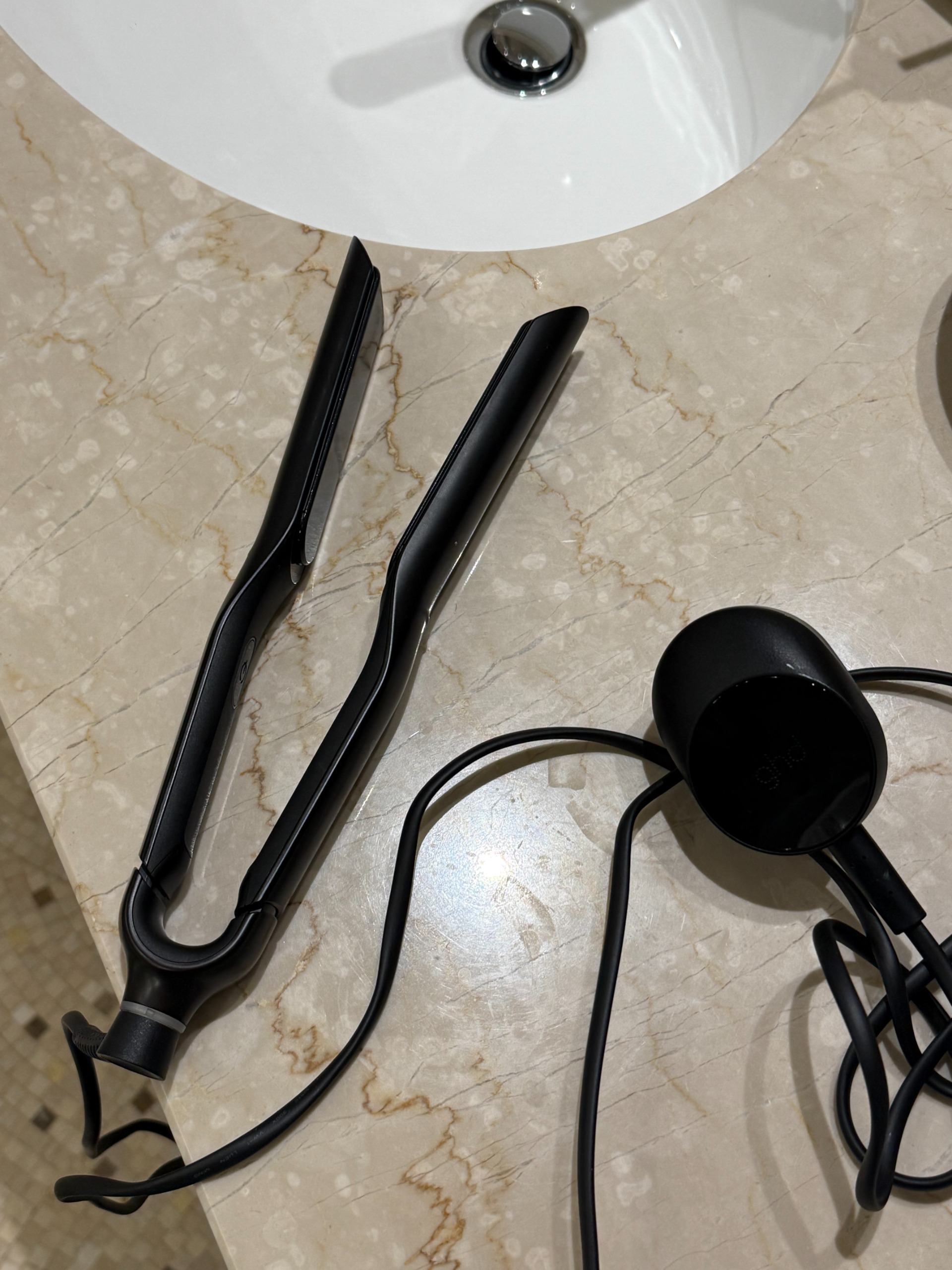
Ergonomic Design: Features 1-inch slim plates with a "waterfall edge" engineered to glide effortlessly through hair and facilitate smooth, snag-free styling and waves.
Retail Positioning: Priced at $449, positioning it as a luxury, high-performance investment tool in the modern beauty ecosystem.
Chronology: The Journey from Skepticism to Breakthrough Innovation
To understand the significance of the GHD Sculpt, one must examine the timeline of how beauty technology has evolved over the past decade.
The 2010s (The Era of Basic Thermal Regulation): For years, flat-irons relied on basic analog dials or single-setting digital controls. While ceramic and ionic technologies improved upon primitive metal plates, styling remained a blunt-force trauma exercise for hair strands. Users had to manually select high heats, often leading to repeated passes over the same section and compounding thermal damage.
Early 2020s (The Rise of Predictive Tech): Brands began introducing predictive technologies that monitored plate temperature multiple times a second to ensure even distribution. While effective at eliminating plate hot spots, these tools still treated all hair types on a given section with a uniform thermal output.
The Development Phase (Machine Learning Integration): GHD engineers spent years training machine-learning algorithms on vast data sets encompassing diverse hair textures, thicknesses, and moisture levels. The goal was to transition from passive plate heating to active, responsive hair management.
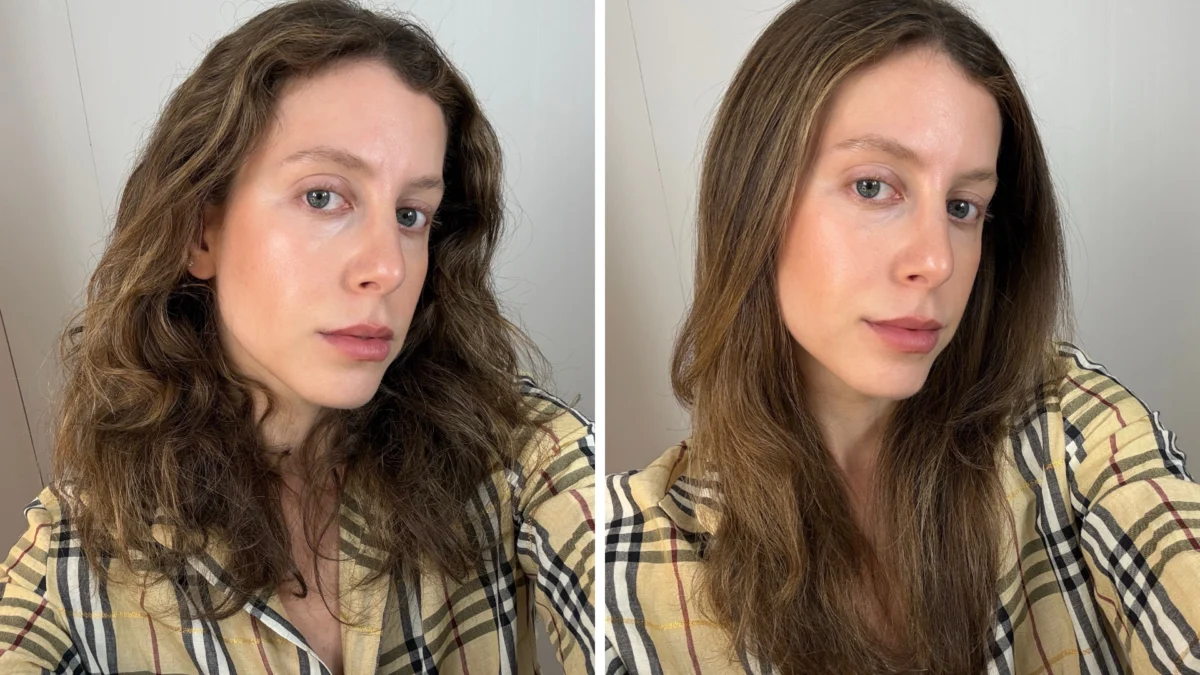
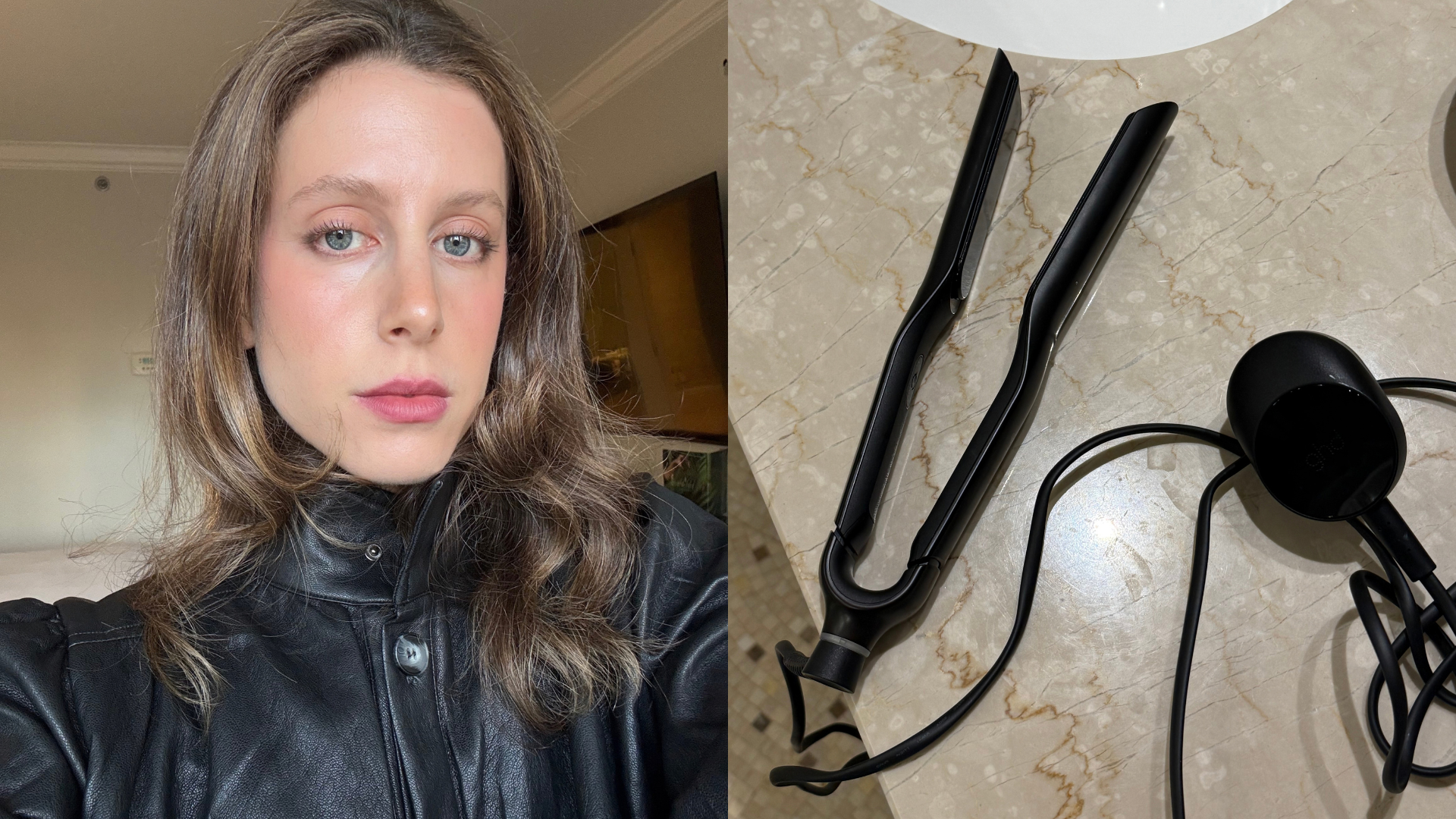
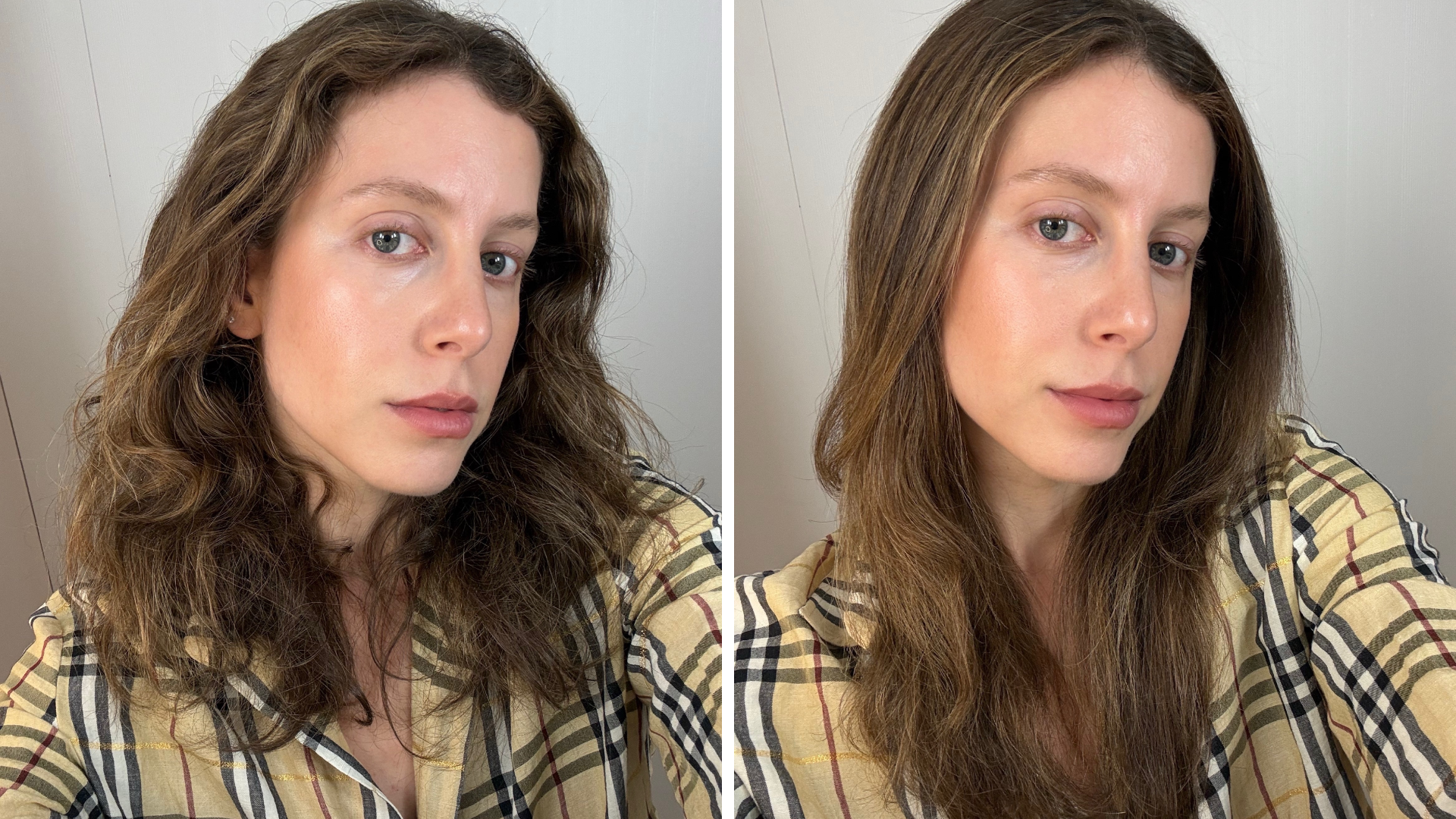
The Launch and 40-Day Field Test (Fall 2026): Following industry previews, beauty critics and testers began putting the Sculpt through rigorous, long-term testing. Over a 40-day evaluation period, testers tracked styling times, frizz reduction, and overall hair health maintenance, ultimately revealing that the tool drastically altered daily hair routines.
Supporting Data: How the Technology Actually Works
For consumers who view "AI hair tools" with a raised eyebrow, understanding the mechanics helps demystify the innovation. According to Meredith Kirkland, GHD’s senior national education manager, the tool does not "think" in the conscious sense; rather, it executes hyper-fast computational loops based on pre-trained machine learning models.
[Hair Inserted Between Plates]
       │
       ▼
[Micro-processor Measures 2,900 times/sec]
(Detects thickness, speed, and resistance)
       │
       ▼
[Machine-Learning Model Analyzes Data]
       │
       ▼
[Thermal Controller Adjusts Heat Instantly]
(Delivers exact thermal energy needed up to 365°F)
The data loop operates continuously while the hair is compressed between the plates. When a thick, dense section of hair is introduced, the device detects the higher thermal sink and dynamically adjusts the energy output. Conversely, as the iron glides toward the ends or encounters thinner sections, power is immediately throttled back to prevent scorching.
Furthermore, data from clinical trials highlight a striking finding: hair styled continuously with the Sculpt shows no statistically significant variance from untreated virgin hair, with strands returning completely to their natural structural state after washing. This effectively shatters the long-standing industry adage that "all heat causes permanent damage."
Official Responses and Expert Perspectives
Industry professionals have weighed in heavily on the implications of AI integration within professional and consumer hair styling.
"When we say GHD Sculpt uses AI, we don’t mean it ‘thinks.’ We mean the machine-learning model has been fed a comprehensive database of hair needs and processes that information in record time. With Sculpt, we aren’t simply asking, ‘How hot are the plates?’ We’re asking, ‘What does the hair actually need?’ That’s a completely different way of thinking about heat styling."
— Meredith Kirkland, GHD Senior National Education Manager
Stylists emphasize that the primary benefit of this feedback loop is the elimination of repetitive passes. Traditional styling often requires three to five slow passes over a stubborn curl or wave to achieve smoothness. By personalizing the heat delivery on the very first stroke, the Sculpt achieves desired results in a single, fluid motion. This drastically cuts down styling time—often reducing a 20-minute straightening session down to less than five minutes—while minimizing cumulative thermal stress.
Implications: Market Disruption and the Future of Beauty Tech
The introduction of the GHD Sculpt carries profound implications for the broader beauty and personal care landscape:
1. Redefining Luxury Price Points
At $449, the Sculpt sits comfortably at the apex of consumer hot tool pricing. However, as consumers become increasingly educated on hair integrity, bond-building, and long-term damage mitigation, willingness to pay a premium for verified hair protection is rising. Tools that promise—and clinically prove—zero heat damage justify their investment by reducing the need for costly restorative salon treatments and reparative products.
2. Privacy and Smart-Tool Architecture
An interesting design choice highlighted during the development of the Sculpt is its stateless memory: the device learns your hair profile dynamically during a styling session, but completely wipes its operational data as soon as it is powered down. This privacy-centric approach avoids the pitfalls of connected app-enabled beauty gadgets, ensuring that multiple household members can share the same tool without cross-contaminating stored hair profiles.
3. The New Standard for Competitors
Just as ionic technology and ceramic plates became mandatory baseline features for all flat-irons in the late 2000s, real-time thermal monitoring and machine-learning adjustments are poised to become the baseline expectation for high-end beauty tech moving forward. Competitors will inevitably race to develop proprietary algorithms of their own, cementing artificial intelligence as a permanent fixture in the vanity drawer.
Conclusion: Is the GHD Sculpt Worth the Investment?
For the everyday consumer utilizing a basic drug-store straightener purchased a decade ago, stepping up to an AI-powered styler like the GHD Sculpt is nothing short of revelatory. While the $449 price tag demands careful consideration, the combination of sub-five-minute styling times, ergonomic comfort, and clinical proof of zero heat damage makes it a landmark achievement in beauty engineering.
The era of mindless, high-heat hair frying is officially coming to a close. As GHD and competing innovators push the boundaries of what machine learning can achieve in the bathroom, the future of hair health looks brighter—and remarkably smarter.


 Jia Lissa
 Azzam Bilal Chamdy
 Siti Muinah
