

In the high-stakes world of Hollywood publicity, the "maternity press tour" has long been a complex negotiation between comfort, branding, and the inescapable public gaze. For Academy Award-winning actress Anne Hathaway, however, the promotional circuit for her latest psychological thriller, Verity, has become a masterclass in modern maternity fashion. Rather than retreating into the traditional silhouettes of billowing fabrics or oversized layers, Hathaway has opted for a bold, intentional aesthetic that centers her pregnancy as a central component of her public persona.
This week, as the promotional engine for the highly anticipated Amazon MGM Studios adaptation of Colleen Hoover’s Verity roared to life in New York City, Hathaway made a definitive style statement. Stepping out in an all-black Cult Gaia knit dress, she once again demonstrated that pregnancy is not a hurdle to style, but a canvas for sophisticated, figure-hugging couture.
The Anatomy of the Look: A Study in Monochrome Sophistication
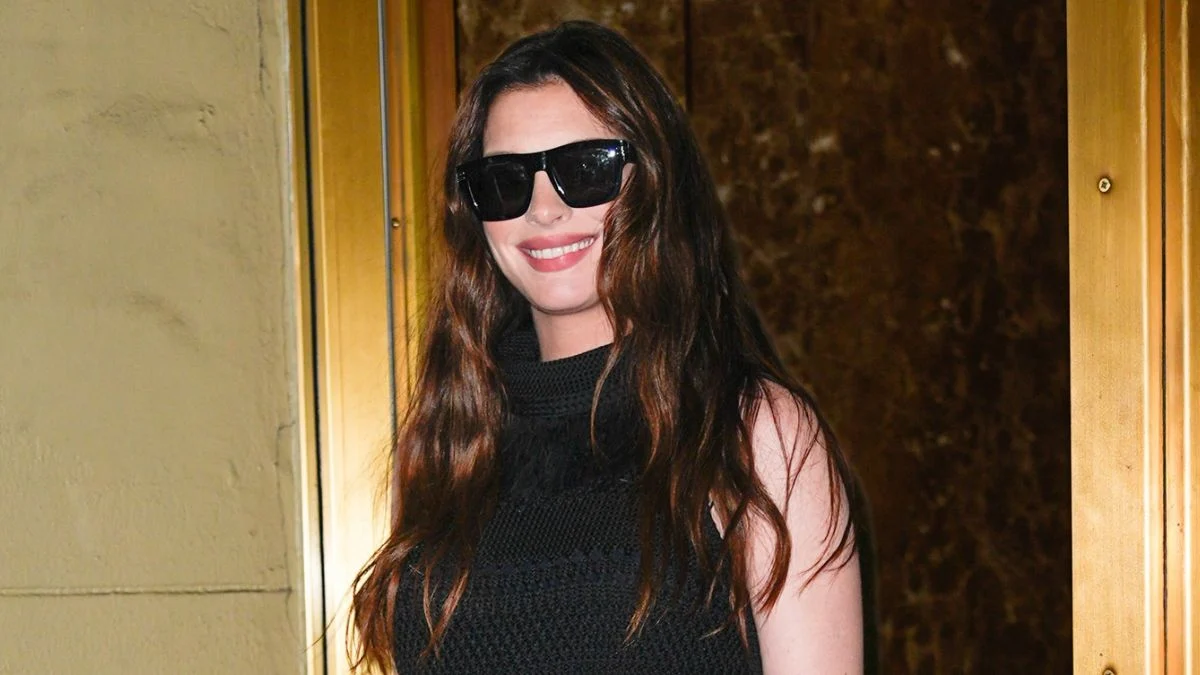
The centerpiece of Hathaway’s New York outing was the "Kadimah" knit dress by Cult Gaia. A sleeveless, ankle-length garment, the dress is defined by an intricate, open-crochet weave that achieves a semi-sheer effect in the natural light of the city.
Fashion analysts have noted that the choice of an open-knit construction is a deliberate stylistic risk. By allowing glimpses of skin to show through the fabric’s gaps, the dress creates a tactile, dimensional visual that contrasts sharply with the traditional expectations of maternity wear. The garment is designed to skim the body, and on Hathaway, it acted as an architectural frame for her baby bump, highlighting her silhouette rather than obscuring it. The hem, adorned with playful, swaying fringe, added a sense of kinetic energy to the ensemble, catching the light as she moved through the streets of Manhattan.
Hathaway’s approach to accessories further cemented the look’s cohesive, high-fashion impact. She opted for minimalist black slide sandals and dark, oversized sunglasses, maintaining a strict monochrome palette. Perhaps the most intriguing detail was her handbag—a black piece embellished with small, decorative pins—which added a touch of idiosyncratic flair to an otherwise streamlined outfit. With her long hair worn in soft, loose waves, the overall effect was one of effortless, elevated chic.
Chronology of a Style Evolution
To understand the significance of the Verity tour wardrobe, one must examine the progression of Hathaway’s choices over the past few months.
- Early Summer 2024: Hathaway began signaling a shift in her aesthetic approach, moving away from the more structured, red-carpet gowns of her past toward pieces that prioritize tactile fabrics—knits, silks, and jerseys that offer both comfort and fluidity.
- August 2024 (D23 Event): During the Disney D23 showcase, Hathaway provided a blueprint for her current strategy. She arrived in a royal blue AFLALO gown that hugged her frame, proving that she was uninterested in hiding her pregnancy behind strategic draping. This moment served as the unofficial launch of her "bump-positive" style campaign.
- September 2024 (The Verity Junket): The transition to the Verity press tour saw the refinement of this strategy. Hathaway moved into darker, more sophisticated tones—blacks, navies, and charcoals—that contrast with the vibrant colors of earlier appearances, signaling a shift in the tone of the project she is promoting.
This trajectory suggests a highly curated wardrobe process, likely involving a close collaboration with her styling team to ensure that each look not only serves the aesthetic of the film but also reinforces her personal narrative of empowerment and confidence during pregnancy.
Supporting Data: The Digital Reaction and the Cult Gaia Effect
The impact of the Cult Gaia look was not merely aesthetic; it was a digital phenomenon. Following the release of images from the press junket, Cult Gaia’s official Instagram account saw a surge in engagement that far outpaced standard brand metrics.
Fans and fashion enthusiasts flocked to the comments, praising the "fearless" nature of the styling. Within twenty-four hours, the post had garnered thousands of likes and hundreds of shares, highlighting the growing intersection between celebrity maternity style and social media virality. For a brand like Cult Gaia, the "Hathaway Effect" is significant; by associating their brand with one of Hollywood’s most respected actresses, they have successfully pivoted their label from a niche boutique aesthetic to the forefront of global mainstream fashion.
Industry analysts suggest that this type of engagement is driven by a shift in cultural attitudes. Modern audiences are increasingly gravitating toward "real" representations of pregnancy—moves away from the "hidden bump" trope that dominated celebrity culture for decades. Hathaway’s transparency has tapped into this cultural desire for authenticity.
The Project: ‘Verity’ and the Psychological Thriller Genre
While the fashion choices have garnered significant headlines, they are ultimately a secondary component of a larger promotional machine. Verity, based on Colleen Hoover’s viral sensation of a novel, is a high-stakes project for Amazon MGM Studios.
Directed by Michael Showalter, the film is a psychological thriller that demands a certain gravity from its leads. Hathaway, playing the titular character, is joined by Dakota Johnson and Josh Hartnett. The film’s narrative—centering on the dark, complex secrets of a famous author—requires a sophisticated marketing campaign. Hathaway’s choice of dark, monochromatic, and slightly "moody" attire aligns perfectly with the aesthetic of the film.
The strategy of "thematic dressing"—where an actor’s wardrobe reflects the genre or tone of their movie—is a time-honored Hollywood tradition, yet Hathaway executes it with a level of intentionality that feels fresh. By wearing darker, more revealing silhouettes, she is essentially performing the role of the enigmatic, complex protagonist before the audience has even seen a frame of the film.
Official Responses and Industry Implications
While Hathaway herself has kept her commentary focused on the film’s narrative, the fashion industry has been quick to respond. Stylists and designers have lauded her approach as a "liberation" of maternity wear.
"Anne is redefining the boundaries of what is acceptable for a woman in the public eye to wear while pregnant," notes one prominent fashion consultant. "There is no longer a ‘maternity category’ in the way there used to be. It is just fashion, applied to a different body shape. By treating the bump as an accessory rather than a liability, she is setting a new standard for her peers."
The implication of this shift is clear: the maternity fashion market is likely to see a spike in demand for "body-con" knitwear and high-end, semi-sheer pieces. Designers are already taking note of the way Hathaway’s look has translated from the red carpet to the street, suggesting that the "maternity-chic" trend will have a long tail, extending well into the upcoming spring collections.
Conclusion: The Power of Intentionality
Anne Hathaway’s Verity press tour serves as more than just a series of photo opportunities. It is a calculated exercise in image management that balances professional obligations with personal milestones. By refusing to conform to outdated standards of pregnancy-related fashion, Hathaway has taken control of the narrative, using her wardrobe to project strength, versatility, and unshakeable confidence.
As the film moves toward its October 2 release date, the conversation will inevitably shift from her style to her performance. However, the precedent has been set. Whether she is walking the red carpet or stepping out for a press junket, Hathaway has proven that the most powerful accessory a performer can wear is the confidence to define her own aesthetic. In doing so, she has not only elevated the promotional cycle for Verity but has also provided a blueprint for future generations of expectant public figures who wish to remain, first and foremost, themselves.
 Neng Nana
 Azzam Bilal Chamdy
 Nana
Nana
