

In the expansive landscape of modern role-playing games (RPGs), the "side quest" often carries a mixed reputation. For every narrative detour that offers a profound shift in perspective or a transformative piece of gear, there are countless instances of "filler"—the dreaded, repetitive cycles of gathering five medicinal herbs or eliminating a mindless swarm of slimes. Yet, the finest entries in the genre understand that side content is not merely an extension of playtime; it is the heartbeat of world-building.
When designed with intention, side quests provide a necessary reprieve from the high-stakes pressure of "saving the world." They invite players to slow down, explore the minutiae of a fictional society, and connect with the people living within it. From the haunting ruins of a shattered world to the bustling streets of Tokyo, here are eight RPGs that transcend the trope of the "fetch quest," ensuring that every optional endeavor feels fundamentally essential.
1. Final Fantasy 6: Rebuilding a Broken World
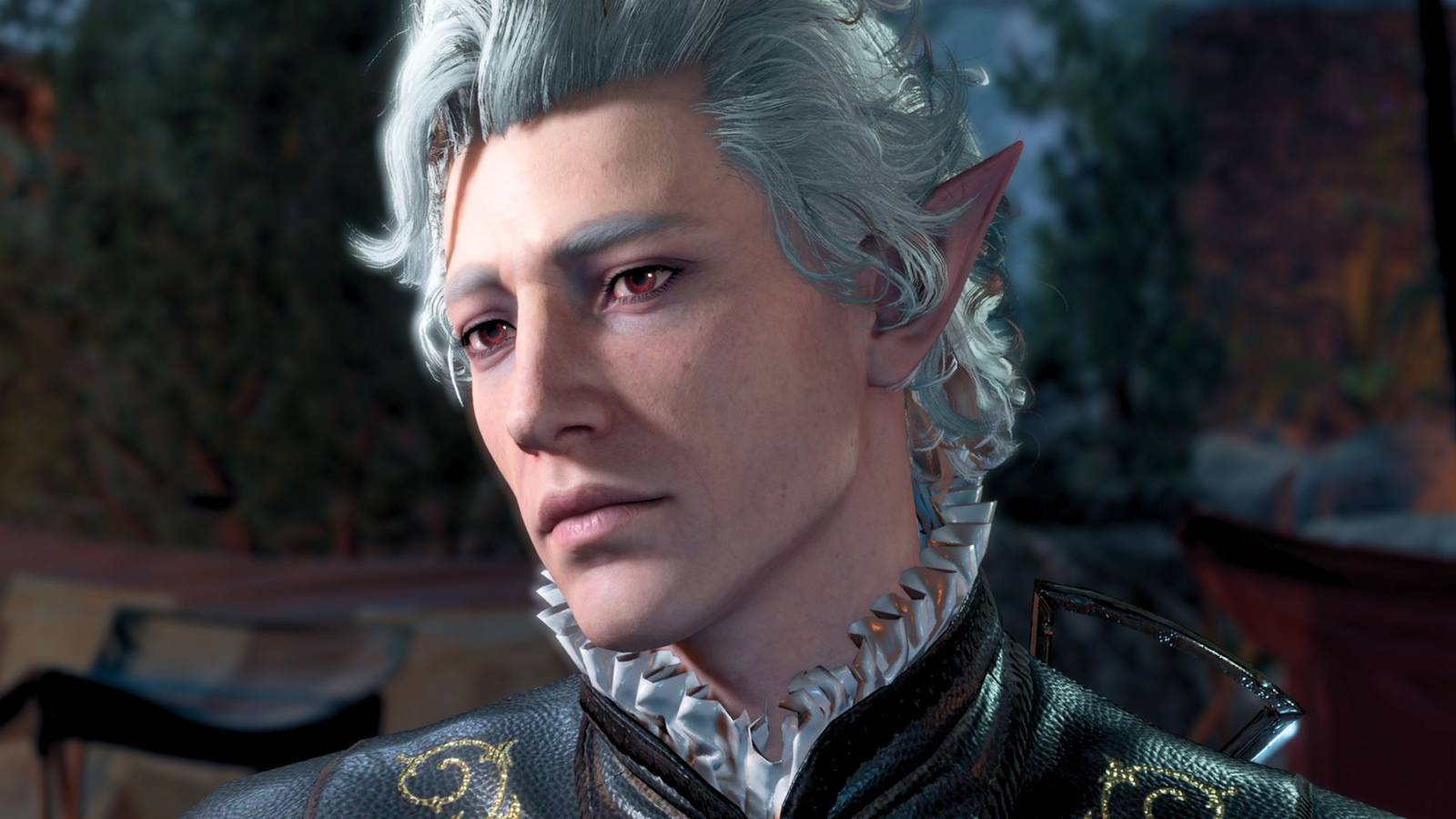
Final Fantasy 6 remains a masterclass in narrative pacing. The game’s second act, set in the desolate "World of Ruin," serves as one of the most poignant examples of optional content done right. After the world is decimated by the villainous Kefka, the player’s party is scattered. While it is mechanically possible to reach the final dungeon with only a handful of characters, doing so would be a disservice to the game’s core theme: resilience.
Each recruitable party member has a unique, optional side story that reveals how they have coped with the apocalypse. Some have found solace in peaceful solitude, while others are paralyzed by grief or radicalized by despair. One particularly memorable subplot involves a character who has joined a fanatical cult, spending his days marching in an unending, rhythmic line. These quests are not just "tasks"; they are character studies that transform the player’s relationship with their allies, turning a standard party into a group of survivors with shared, lived-in trauma.

2. The Witcher 3: Wild Hunt – The Narrative Goldmine
CD Projekt Red’s The Witcher 3: Wild Hunt set a gold standard for side content that has arguably yet to be surpassed. The game’s open world is dense with optional activities, but it is the writing that elevates them from simple errands to unforgettable vignettes.
Take, for instance, the seemingly mundane quest to retrieve a frying pan for an old woman. In most RPGs, this would be a throwaway interaction. In The Witcher 3, it is a clever piece of world-building; return later, and you discover the pan was used by a spy to create black soot for clandestine letters. This commitment to detail—the idea that every object and every NPC has a history—is why the game remains a benchmark for the genre. With a new expansion, Songs of the Past, slated for 2027, the legacy of these narrative-driven diversions continues to grow.
3. Chrono Trigger: The Multi-Dimensional Tapestry
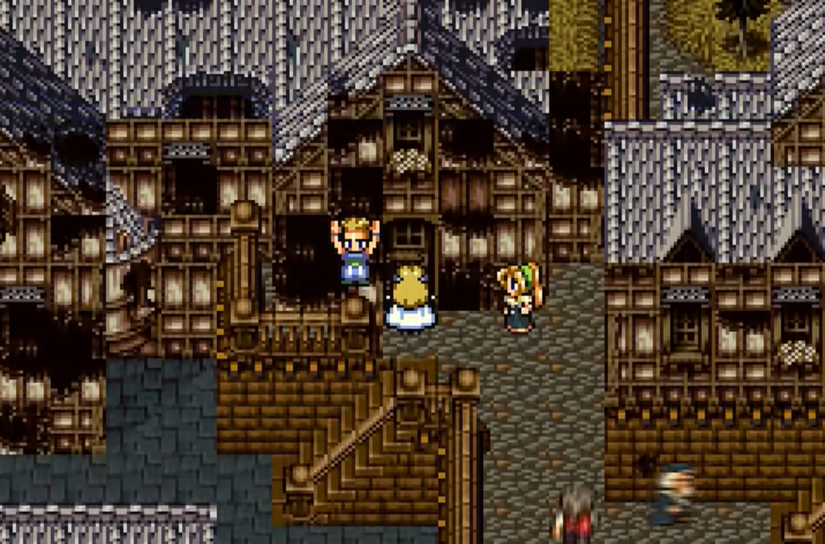
Released in 1995, Chrono Trigger perfected the concept of the time-travel RPG, introducing mechanics that felt revolutionary at the time and remain impressive today. With 13 distinct endings, the game actively encourages players to explore side content by altering the timeline.
The quest to have your robotic ally, Robo, spend four centuries terraforming a desert into a lush, thriving forest is perhaps the most famous example. It is a slow, quiet achievement that spans eras, rewarding the player not just with items, but with a tangible sense of impact on the game’s history. These optional missions move the characters beyond the archetypes of the 90s, offering glimpses into their fears, hopes, and ultimate fates.

4. Baldur’s Gate 3: A World of Consequence
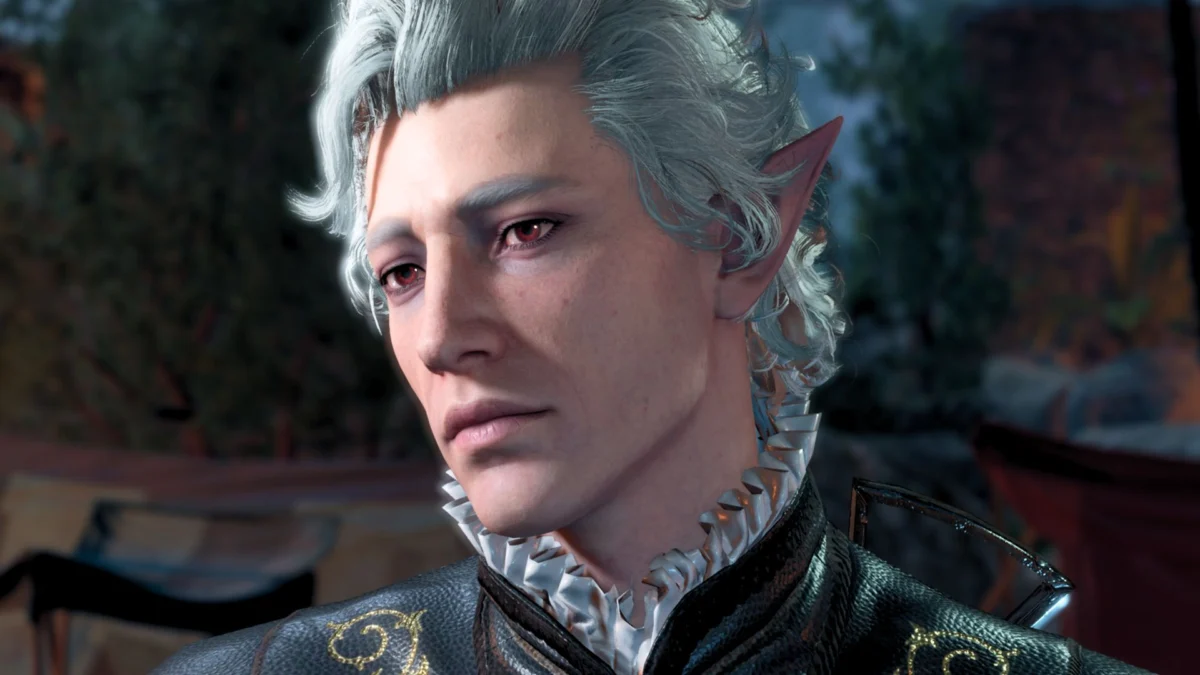
Baldur’s Gate 3 is a triumph of reactivity. With ten potential companions and a three-act structure that shifts based on player choice, the game is designed to be savored. The side quests in Baldur’s Gate 3 are not just content; they are the connective tissue of the story. Whether you are dealing with a demonic pact, investigating a mystery involving dismembered clowns, or managing the complex personal dramas of your party, each action feels weighty.
The brilliance of Larian Studios’ design is that many of these quests are invisible unless the player engages with the world curiously. The choices made in the early game ripples forward, making every playthrough distinct. It is an experience that demands a slow, deliberate pace, rewarding the player who chooses to look behind every curtain.
5. Yakuza 0: The Commitment to the Bit
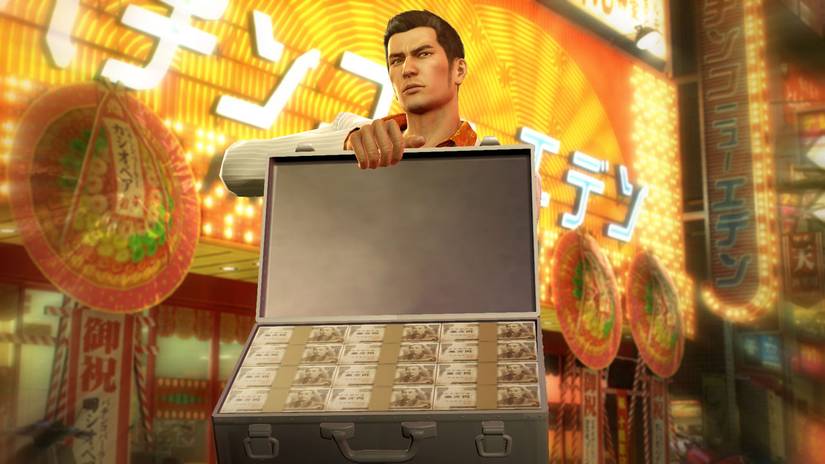
While the Yakuza series is known for its absurdity—ranging from karaoke battles to phone-sex clubs—Ryu Ga Gotoku Studio’s commitment to "plot-driven minigames" is where the magic truly lies. Yakuza 0 takes its optional content so seriously that it creates entirely new game genres within its own framework.
The "Cabaret Club Czar" and "Real Estate Royale" quest lines are monumental undertakings. They require the player to manage staff, navigate complex financial systems, and engage with the denizens of 1980s Japan. These quests are not merely distractions; they provide deep character progression, unlocking new fighting styles and financial resources that significantly alter the player’s capability in the main story. They represent the studio’s philosophy: if you’re going to include a side activity, make it a fully realized experience.

6. The Adventures of Elliot: A Lean, Meaningful Return
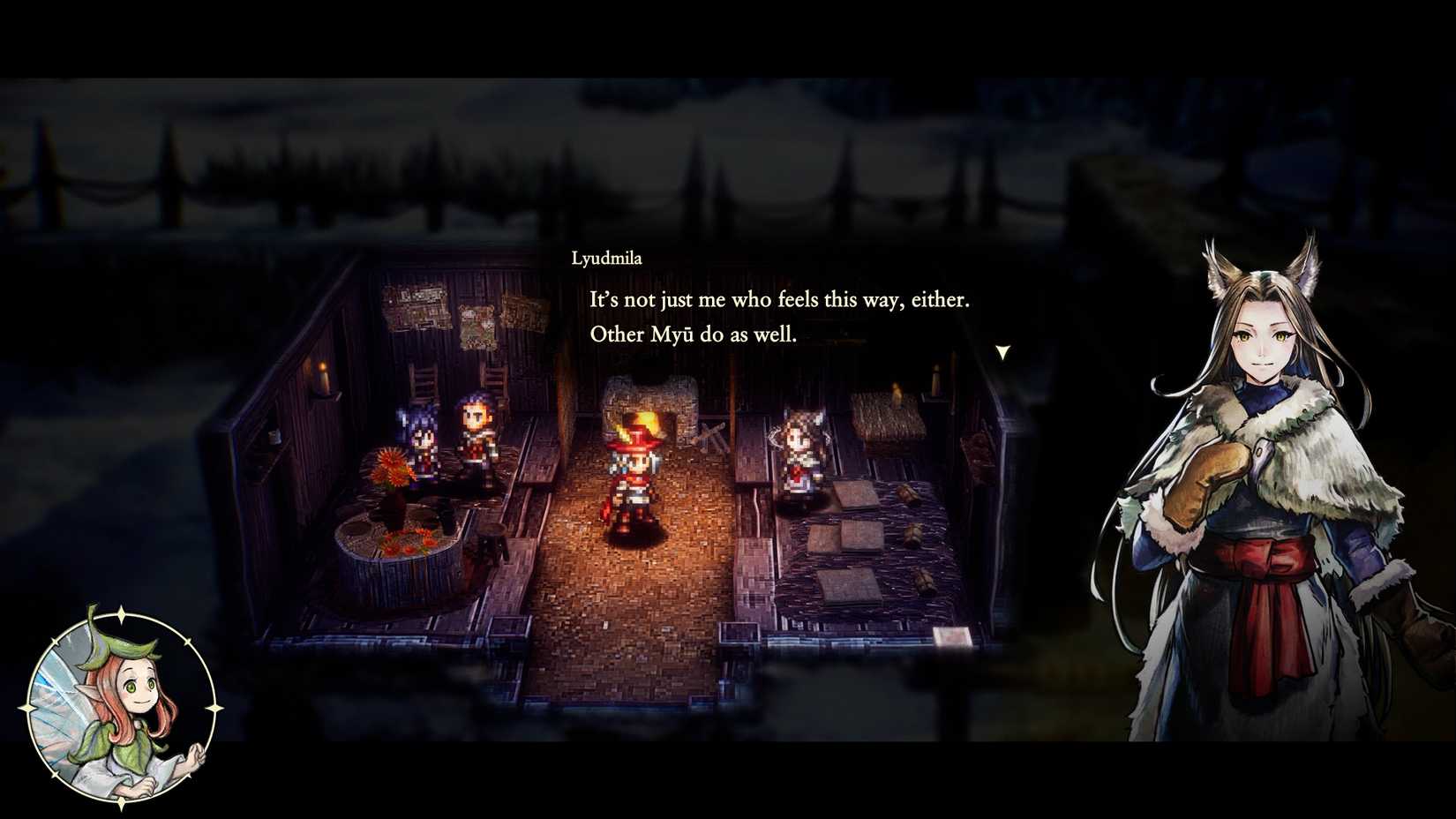
The newest entry on this list, The Adventures of Elliot, is a breath of fresh air for those suffering from open-world fatigue. Developed by Square Enix’s Team Asano, this retro-inspired RPG offers a 25-hour experience that is refreshingly focused.
Despite its compact size, the game features 33 optional quests. While some lean into the classic "gather herbs" formula, many are deeply tied to the game’s true ending. The game treats its side quests as an invitation to engage with its world rather than a checklist for completionists. By limiting the scope, the developers ensure that every interaction with an NPC serves a narrative purpose, helping the player uncover the protagonist’s mysterious past.
7. Elden Ring: The Beauty of Obscurity
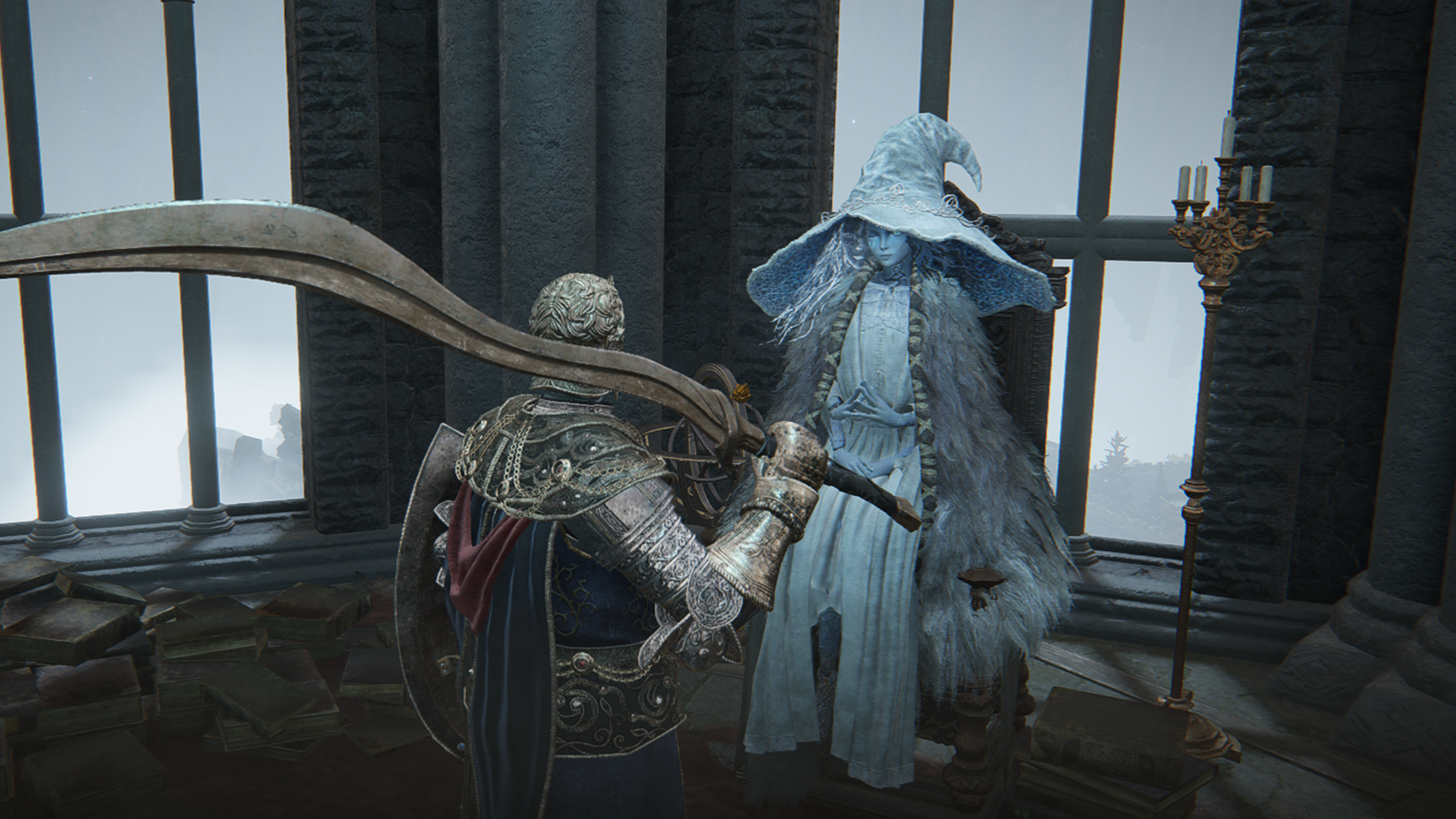
FromSoftware’s Elden Ring is a radical departure from the waypoint-heavy design of modern gaming. In the Lands Between, information is a resource you must hunt for. The game’s side quests—involving enigmatic characters like Ranni the Witch, Millicent, and the warrior jar Alexander—are non-linear and often punishingly difficult to track.
However, this lack of hand-holding is exactly what makes them feel essential. Because the game doesn’t guide you with flashing markers, finding the conclusion to a quest feels like a genuine discovery. The lore is hidden in item descriptions and environmental cues, turning the act of exploration into an act of storytelling. It is a show-don’t-tell masterpiece that rewards curiosity over obedience.
8. Persona 5: The Social Simulation of Stakes
Atlus’s Persona 5 splits its time between high-octane dungeon crawling and a rigorous social simulator. The "Confidant" system is the core of its side content, and it is arguably more important than the combat itself.
By spending time with your classmates, teachers, and local doctors, you aren’t just filling a progress bar; you are building a support network that makes you stronger in the Metaverse. In Persona 5 Royal, these relationships are even more vital, as specific Confidants act as the gatekeepers to the game’s expansive, true-ending content. The game posits that the strength of one’s bonds is the most powerful weapon of all, turning everyday interactions into high-stakes narrative milestones.
Implications for the Future of RPG Design
The common thread among these eight titles is a rejection of "content for content’s sake." As the industry continues to push toward larger, more crowded open worlds, the success of these games serves as a critical reminder: players do not necessarily want more to do; they want what they do to matter.
Whether it is the emotional weight of rebuilding a world in Final Fantasy 6 or the strategic social bonds in Persona 5, these games prove that side quests are the primary vehicle for player agency. They allow the player to define who their character is outside the boundaries of the main plot. As we look toward the next generation of RPGs, the bar has been set: if you want us to stray from the path, give us a reason to believe the detour is just as important as the destination.
 Basiran
 Suro Senen
