

New York City remains in the throes of a prolonged, euphoric hangover. While the confetti from the ticker-tape parade has long been swept from the canyons of Lower Manhattan and the fervor of fans scaling lampposts has finally subsided, the ripples of the New York Knicks’ first NBA championship in 53 years continue to resonate far beyond the hardwood of Madison Square Garden. In the world of luxury spirits, the title win has provided a golden marketing opportunity, prompting brands to capitalize on the city’s collective sense of triumph with exclusive, high-end releases.
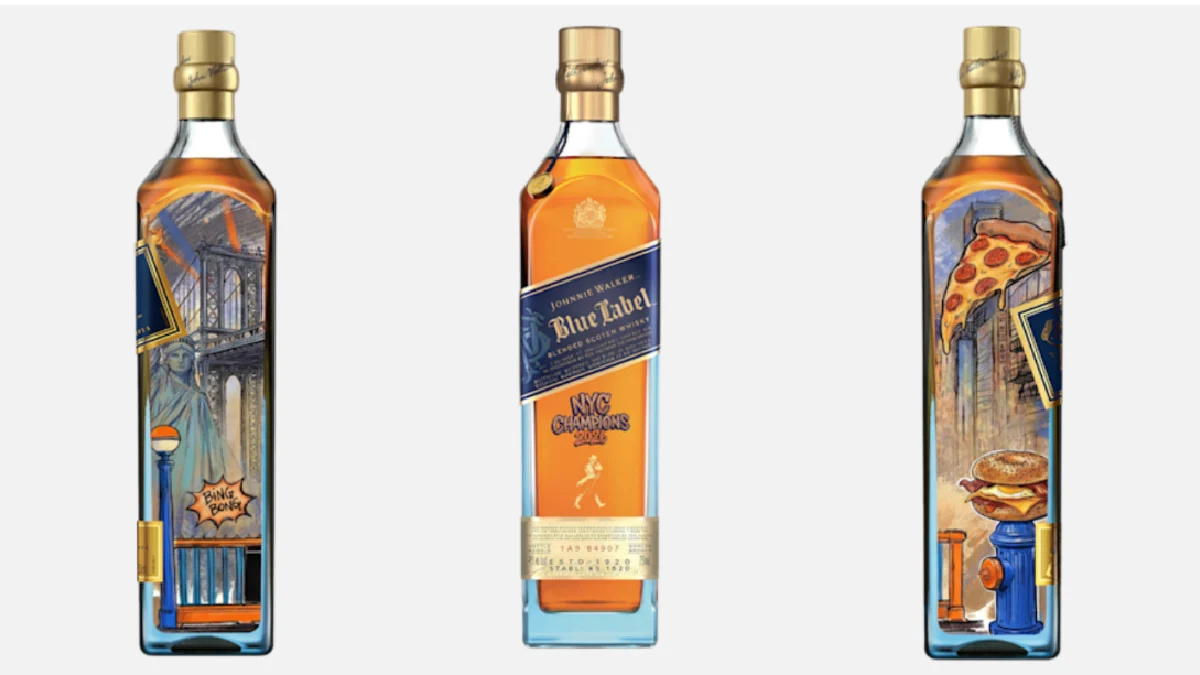
The most recent entrant into this commemorative arena is the Johnnie Walker Blue Label NYC Championship Limited Edition Design bottle. Dropped late last week, the bottle serves as a sophisticated, albeit unofficial, salute to the Big Apple’s sporting renaissance. As the city reflects on a half-century of waiting, the spirits industry is positioning itself to be the preferred choice for the celebratory toast.
Main Facts: The Johnnie Walker "NYC Championship" Release
The Johnnie Walker Blue Label NYC Championship bottle is a study in "commemorative branding." It is essential to clarify immediately that this release is not an official collaboration with the New York Knicks or the National Basketball Association. There are no league logos, no team trademarks, and certainly no official "Knicks in Five" slogans gracing the glass.
Instead, the design team at Diageo has pivoted toward a more atmospheric homage. The bottle features a bespoke illustration of the New York City skyline, rendered with color accents that subtly evoke the iconic orange and blue of the Knicks’ franchise. Beyond the cityscape, the label incorporates cultural shorthand for the city—subtle nods to the ubiquity of the New York bagel and the iconic slice of pizza—aimed at capturing the spirit of the local fan base rather than the literal branding of the team.
The liquid contained within remains the standard-bearer for the Johnnie Walker range. Blue Label is widely considered the brand’s "peak expression," a blend of malt and grain whiskies sourced from some of the most prestigious—and, in several cases, extinct—distilleries in Scotland. The blend famously utilizes stock from "ghost" distilleries, including the shuttered Port Dundas, alongside expressions from Benrinnes, Cardhu, Clynelish, and Caol Ila. According to the brand’s marketing literature, only one out of every 10,000 casks is deemed worthy of inclusion in the Blue Label blend, a statistic that underscores the scarcity and the premium price point of $289.
A Chronology of the Championship Celebration
To understand why a whiskey bottle released months after the final buzzer carries such weight, one must look at the timeline of the 2026 NBA Finals.
- June 2026: The Knicks secure their first championship in 53 years, sparking a city-wide celebration that arguably eclipsed the intensity of any major public event in New York City history.
- Late Summer 2026: While the public parade concludes, the commercial after-effects begin to take shape. Spirits brands, recognizing the longevity of the narrative, begin finalizing "unofficial" product extensions.
- Late Fall 2026: Johnnie Walker announces its Limited Edition NYC Championship bottle. By decoupling the product from an official team partnership, the brand avoids the logistical hurdles of licensing agreements while still maintaining a clear thematic link to the historic victory.
- Post-Launch: The bottle hits the market via Diageo’s The Bar e-commerce platform, serving as a collector’s item for fans who wish to preserve the memory of the 2026 season in their private cabinets.
Supporting Data: The Intersection of Sports and Spirits
The move by Johnnie Walker is part of a broader trend of "lifestyle alignment" in the luxury spirits sector. While Johnnie Walker opted for an unofficial route, other brands have historically taken the official partnership path.
Maker’s Mark, for instance, established a formal relationship with the Knicks years prior to the championship win. Their previous, team-sanctioned bottles—featuring the official Knicks logo and the signature red wax top replaced by a vibrant "Knicks orange"—remain highly sought-after secondary market items. While Maker’s Mark has not released a specific "2026 Championship" bottle, their existing inventory has seen a spike in valuation and demand as fans scramble to find a tangible piece of memorabilia to pair with their celebrations.
This demand is not merely about the product; it is about the "collectibility" of the moment. According to industry analysts, commemorative bottles that tie into regional cultural milestones often see a 20% to 40% increase in secondary market interest within the first six months of a team’s championship run.
Official Responses and Strategic Positioning
Diageo’s approach with the Johnnie Walker bottle is a masterclass in risk mitigation. By opting out of an official NBA or Knicks licensing deal, the brand avoids the exorbitant costs associated with professional sports branding rights. However, they gain a "first-mover advantage" in the luxury space, positioning their product as a premium alternative to the standard team-branded merchandise found at arena gift shops.

"The goal," notes an industry insider close to the project, "is to align with the feeling of the city. We aren’t selling a sports product; we are selling the celebration of an achievement. When you toast a 53-year wait, you don’t necessarily want a plastic cup with a logo on it—you want something that feels as substantial as the win itself."
Conversely, the team’s players have become their own brand ambassadors. Josh Hart’s appearance with a bespoke, diamond-encrusted, two-foot-tall decanter of Patrón El Alto—custom-engraved with "Hart of the City"—is a testament to the organic nature of these endorsements. Hart, who starred in a Patrón campaign earlier in the year, utilized his personal celebrity to bridge the gap between high-end spirits and professional basketball culture. For Patrón, the cost of a bespoke decanter is negligible compared to the organic media coverage generated by the image of a champion celebrating with their product.
Implications for the Future of Sports Marketing
The success of these commemorative releases suggests a shifting landscape for how alcohol brands engage with major sporting events.
The Decline of Exclusivity
In previous decades, a "Championship Bottle" was almost exclusively the domain of the official league partner. Today, the "unofficial tribute" model is proving just as effective, if not more so. By focusing on city-specific imagery (skylines, iconic foods, local color palettes) rather than team logos, brands can capture a wider audience—including fans who may be loyal to the city but wary of the corporate "commercialization" of their team.
The Rise of the "Collector’s Edition"
The Johnnie Walker release underscores a growing appetite for spirits as a form of "liquid history." For the consumer, a bottle of $289 whiskey isn’t just an evening drink; it is a permanent record of a specific moment in time. This trend is likely to continue as distilleries realize that the premium consumer is increasingly driven by narrative and regional identity.
The Role of the Athlete-Influencer
The Josh Hart/Patrón example illustrates that the most powerful marketing is no longer just the billboard or the commercial; it is the organic moment on social media. When a player is photographed with a bottle, it confers a level of authenticity that a traditional marketing campaign simply cannot replicate. We can expect to see spirits brands moving away from broad-spectrum team sponsorships and toward deeper, individualistic partnerships with star players who embody the brand’s identity.
Conclusion
The Johnnie Walker Blue Label NYC Championship bottle is more than just a marketing gimmick; it is a reflection of how the spirits industry has evolved to become a partner in the cultural narratives of the cities they serve. By celebrating the Knicks’ historic win through the lens of New York City’s identity, Johnnie Walker has created a product that feels both timely and timeless.
As the city finally begins to move on from the chaos of the championship celebrations, those who secured one of these limited-edition bottles will have a liquid vessel for their memories. Whether the bottle is opened to toast the next playoff run or kept as a sealed heirloom to remind future generations of the year the drought ended, the message remains clear: in New York, even the most legendary victories are better with a pour of something exceptional.
For the collector and the casual fan alike, the whiskey serves as a reminder that some achievements are worth more than just a trophy—they are worth a toast that lasts for decades.
 Evan Lee Salim
 Asep Darmawan
 Laily UPN
