

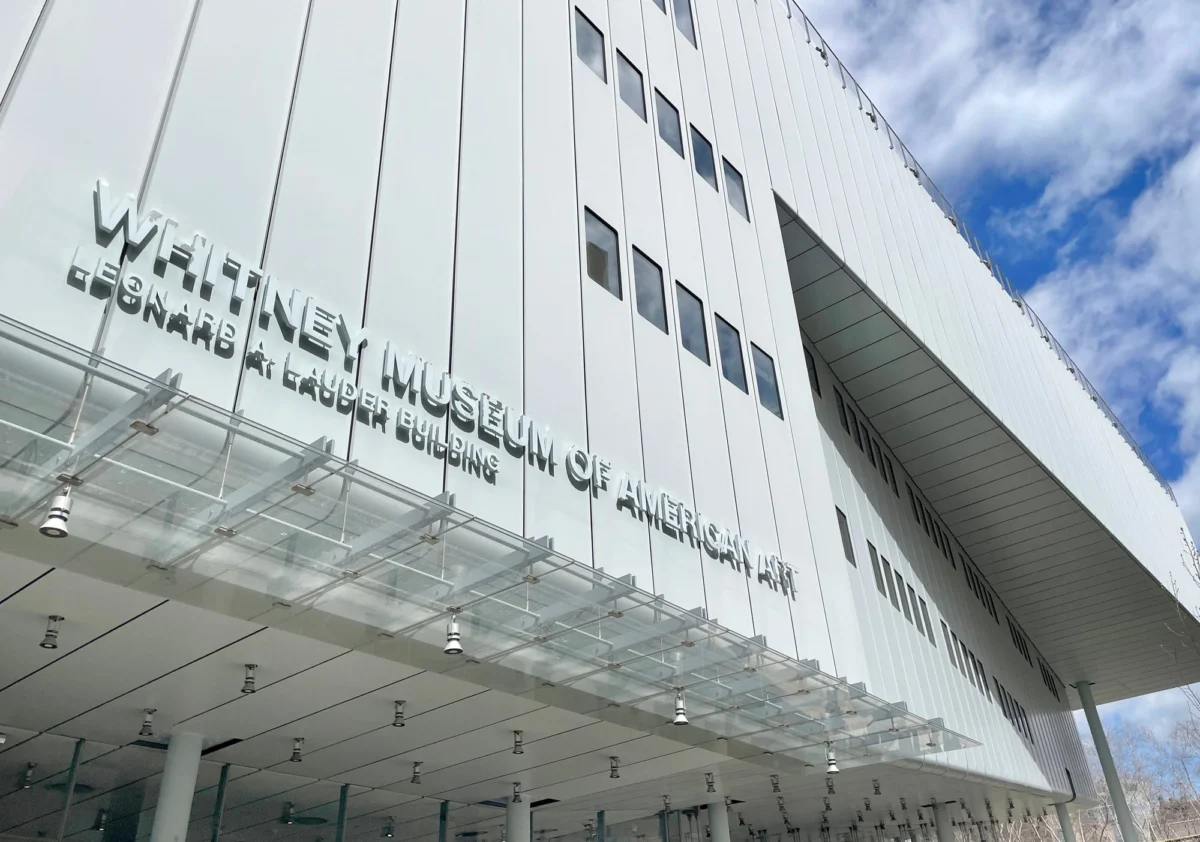
New York, NY — September is traditionally a crucible for the global contemporary art calendar. Galleries fling open their heavy doors for blockbuster autumn seasons, international biennials draw critics and collectors from every corner of the globe, and museums unveil career-defining retrospectives. But beneath the polished veneer of champagne openings and critical acclaim this autumn, a profound structural tension is laying bare the fault lines of the American museum sector.
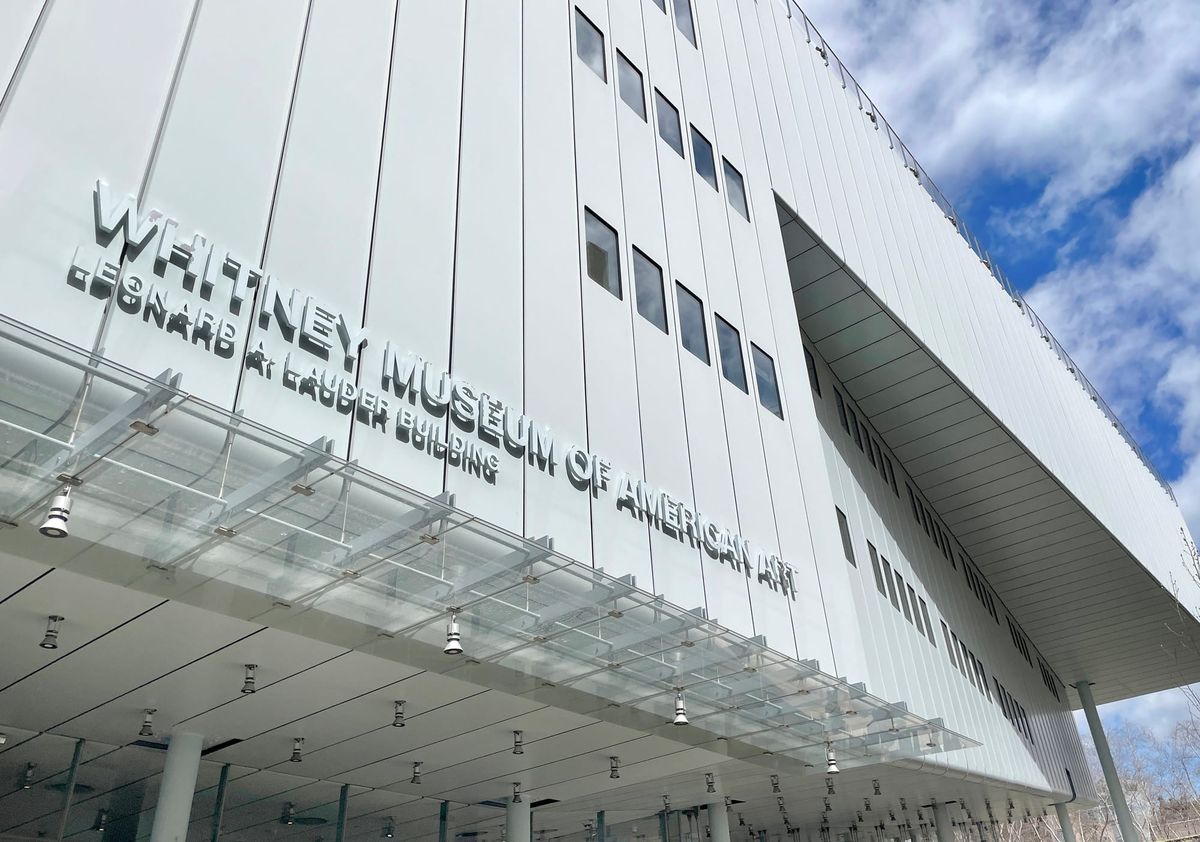
As cultural institutions across New York City gear up for a dizzying array of high-profile exhibitions, the labor movement inside these hallowed halls is reaching a boiling point. Leading the charge is the unionized workforce at the Whitney Museum of American Art, who have drawn a hard line in the sand ahead of a major museum exhibition, setting the stage for a potential high-stakes work stoppage.
Simultaneously, the city’s institutions are grappling with urgent, politically charged exhibitions—ranging from Teresa Margolles’s haunting meditations on state violence at MoMA PS1 to public interventions along 14th Street—prompting a broader cultural reckoning over who shapes our public spaces, who builds our biennials, and whose labor is permitted to vanish into the ether unseen.
Main Facts: The Anatomy of a Looming Crisis
The core conflict centers on the impending strike authorization by unionized employees at the Whitney Museum of American Art. With negotiations for a fair and equitable collective bargaining agreement stalled, union members—including the laborers, educators, and administrative staff who physically build and maintain the museum’s celebrated biennials—have set a strike deadline for Monday, October 5.

The industrial action threatens to disrupt the lead-up to one of the museum’s most anticipated fall offerings: a blockbuster exhibition dedicated to the pioneering Pop artist Roy Lichtenstein. For museum leadership, a work stoppage during a major commercial and critical anchor risks severe logistical and public relations fallout. For the workers, the strike represents a critical leverage point in an ongoing struggle for living wages, reliable healthcare, transparent promotion tracks, and adequate staffing protections.
This labor showdown does not exist in a vacuum. It mirrors a broader, nationwide reckoning within the cultural sector. Over the past five years, museum workers at institutions from the Philadelphia Museum of Art to the Guggenheim and the Museum of Modern Art have increasingly unionized to combat systemic underpayment, overwork, and the precarious nature of arts administration. The Whitney strike, if enacted, promises to be one of the most visible tests of institutional accountability in recent memory, pitting the glittering optics of blue-chip exhibitions directly against the gritty, day-to-day realities of museum labor.
Chronology of Escalation: From Quiet Dissatisfaction to Strike Notice
To understand how the Whitney Museum arrived at the precipice of a labor strike, one must examine the timeline of institutional pressures and worker organizing that has defined the post-pandemic art landscape.
- Spring 2022: Amid a wave of cultural-sector organizing across the United States, Whitney Museum workers formally unionized, joining the Technical, Office and Professional Union, Local 2110, UAW. The move signaled a collective weariness with stagnant wages and high living costs in New York City.
- Late 2023 – 2024: Months of collective bargaining ensued. While initial progress was made on basic recognitions, substantive disagreements persisted regarding wage floors, inflation adjustments, remote work policies, and job security protections against sudden institutional restructuring.
- Early 2025: Frustration mounted among rank-and-file union members as negotiations dragged on. Workers utilized public demonstrations—such as visible informational pickets during the opening weeks of major exhibitions—to signal their discontent to the museum’s board of trustees and visiting public.
- September 2026: With autumn programming ramping up, talks hit a critical impasse. Museum leadership pressed forward with marketing and preparations for the upcoming Roy Lichtenstein blockbuster, while union leadership surveyed members regarding strike authorization.
- Late September 2026: The union officially declared that workers are prepared to walk off the job on Monday, October 5, unless management agrees to terms on a fair contract. The declaration transformed a simmering internal dispute into a front-page cultural crisis.
Supporting Data and Context: The Broader Cultural Landscape
While labor disputes dominate the operational side of New York’s museums, the city’s gallery and institutional spaces are simultaneously hosting exhibitions that engage directly with themes of systemic violence, state brutality, and the precarity of human memory.
Teresa Margolles at MoMA PS1
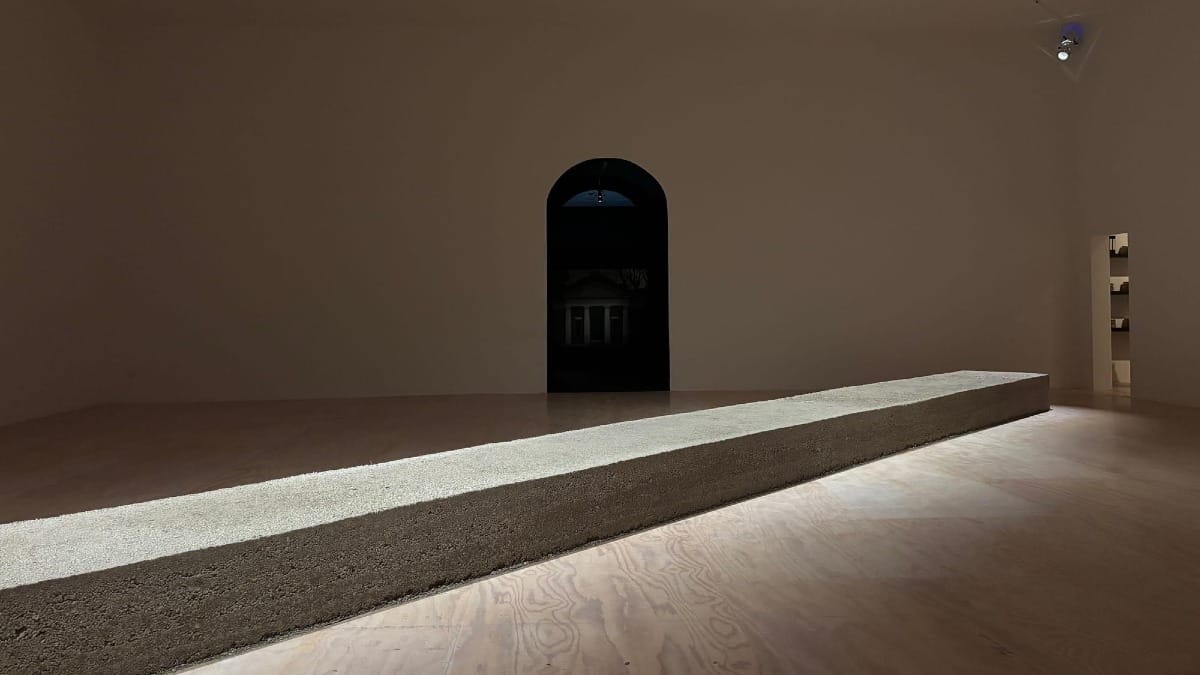
Nowhere is this thematic alignment more striking than at MoMA PS1 and the Museum of Modern Art, which are jointly hosting En el lugar de los hechos (At the Scene), the first large-scale US museum retrospective for Mexican artist Teresa Margolles. Spanning over three decades of work, the exhibition addresses the devastating human toll of border violence, particularly along the Ciudad Juárez and El Paso corridor.
Reviewer Alex Santana, writing for Hyperallergic, highlighted a chilling installation that distills Margolles’s conceptual framework: a room outfitted with humidifiers venting water collected directly from sites of violent crime in New York City.
“This is a room anyone could walk into and walk right out of, perhaps mistakenly thinking it is an auxiliary maintenance area of the museum,” Santana notes.
It is an apt metaphor for contemporary capitalism and state power—an encapsulation of overlooked humanity dissipating unseen into the ether. The invisible labor of the victims Margolles honors mirrors, in a hauntingly poetic way, the invisible labor of the museum workers who keep institutions functioning while facing economic insecurity.
Public Interventions and Sculptural Monuments
The friction between institutional prestige and grassroots humanity also animated the 21st edition of the Art in Odd Places festival. Reported by Staff Writer Rhea Nayyar, the festival offered a breath of fresh air—literally—bringing site-specific performances and public art directly to Manhattan’s 14th Street despite uncooperative nor’easter weather. By taking art out of the white cube and thrusting it into the public thoroughfare, the festival challenged traditional definitions of where art belongs and who it serves.
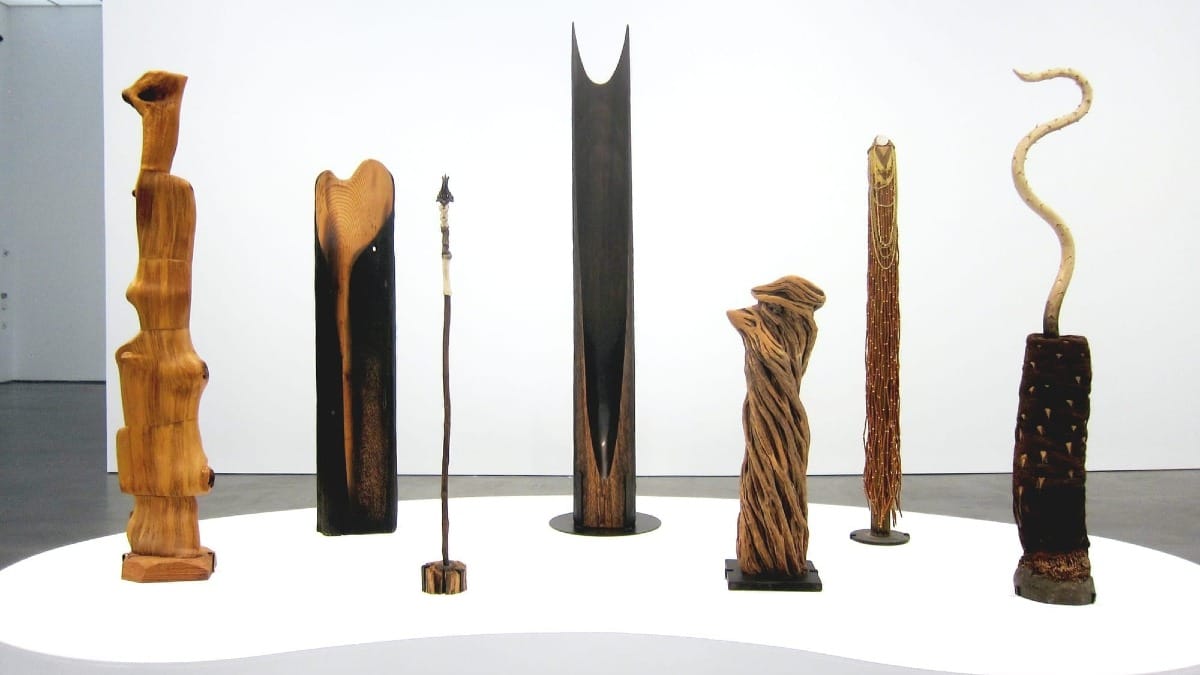
Meanwhile, at the Museum of Contemporary Art (MCA) Chicago, artist Kenzi Shiokava’s retrospective—reviewed by Lori Waxman—remind audiences of the power of slow, deliberate artistic creation. Shiokava’s intricate monuments, forged from carved and burned railroad ties, stacked bones, and balanced branches, stand as a testament to a life dedicated to artistic integrity rather than market frenzy. Waxman writes that every young artist should witness the exhibition because Shiokava “lived a life in art that was slow, deliberate, sincere, joyful, and profoundly worthwhile.”
The Crisis of Artist Legacies and Digital Preservation
Beyond physical labor and gallery walls, the art world is also confronting a silent crisis regarding digital preservation and the legacies of deceased or incapacitated artists. In a recent commentary highlighted by Hyperallergic, artist Blaise Tobia drew attention to the vulnerability of artist websites.
When an artist passes away or loses capacity without a formal legacy plan, their official website frequently lapses. Predatory web domain pirates routinely swoop in to buy up the abandoned URLs, holding digital archives hostage and demanding extortionate fees from estates or families. Tobia proposes a systemic solution: a model parallel to perpetual care endowments for gravesites, allowing artists or estates to prepay hosting and domain costs for decades to guarantee that an artist’s digital footprint—and thus their historical legacy—survives intact.

Official Responses and Stakeholder Perspectives
As the October 5 strike deadline approaches, both sides of the Whitney Museum dispute have staked out clear positions, reflecting the widening chasm between institutional boards and front-line cultural workers.
The Union Perspective:
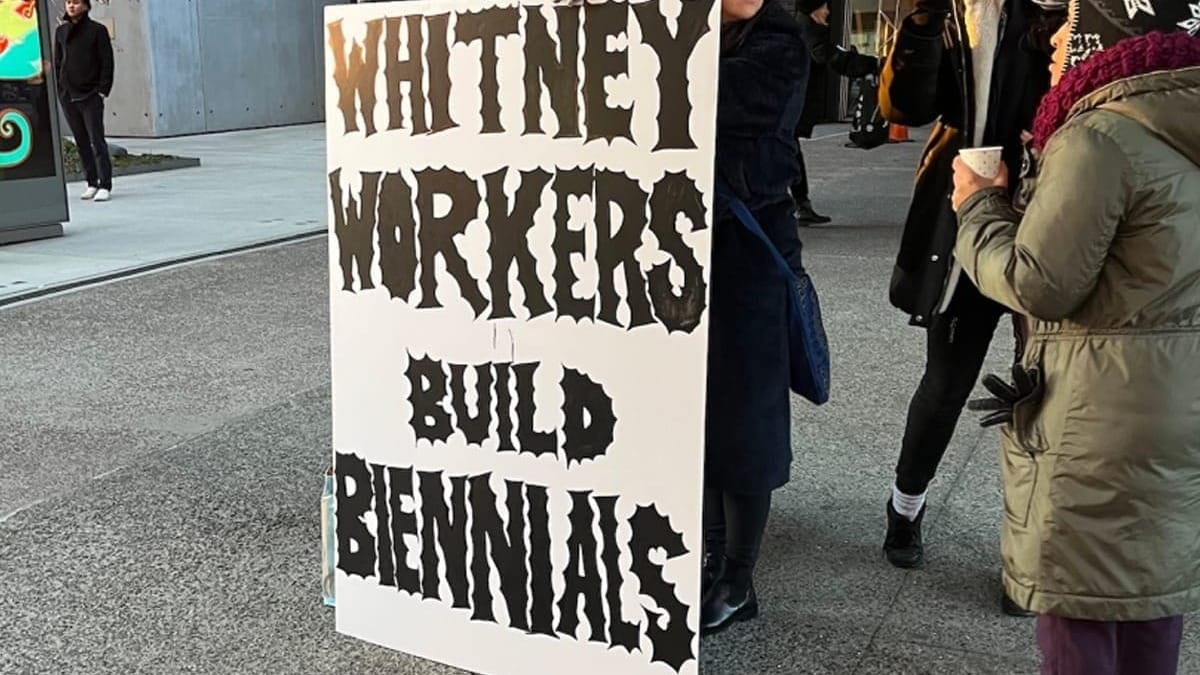
Representatives for Local 2110 have emphasized that the strike is not a decision taken lightly, but an absolute necessity born of years of bad-faith bargaining and economic hardship. Union organizers point out the profound irony of a world-class museum celebrating monumental achievements in American art—such as the upcoming Lichtenstein exhibition—while simultaneously underpaying the staff responsible for installing, lighting, and securing those very works. Slogans like "Whitney Workers Build Biennials" have become rallying cries, underscoring the foundational role that laborers play in generating the cultural capital that boards of trustees leverage for prestige and fundraising.
The Museum Management Perspective:
Whitney Museum leadership has maintained that they remain committed to reaching a constructive resolution at the negotiating table. In previous statements addressing union organizing, museum administrators have asserted their dedication to supporting staff while balancing the complex financial realities of operating a major public institution in a post-pandemic economic climate. However, as the clock ticks down toward the October 5 deadline, contingency plans are reportedly being drafted to manage potential disruptions to visitor services and exhibition timelines.
Implications: What the Whitney Strike Means for the Future of Museums
The impending work stoppage at the Whitney Museum of American Art carries profound implications that extend far beyond the galleries of the Meatpacking District. It serves as a bellwether for the broader cultural sector, signaling several pivotal shifts:

- The Normalization of Cultural Labor Militancy: For decades, working in a museum was viewed as a privilege that traded financial compensation for prestige. The willingness of workers at elite institutions to strike shatters this paradigm permanently, signaling that cultural workers expect fair wages, robust health benefits, and dignity on par with other major industries.
- The Vulnerability of Blockbuster Programming: Museums increasingly rely on high-profile, box-office-驱动 (driven) exhibitions like the upcoming Roy Lichtenstein retrospective to generate revenue and maintain attendance figures. A successful strike during the opening window of such an exhibition demonstrates that labor holds significant structural leverage, capable of disrupting institutional bottom lines.
- A Moral Reckoning for Institutional Boards: As artists like Teresa Margolles use museum platforms to expose the violent inequities of capitalism and state power, museum boards are being forced to look inward at their own internal labor practices. The hypocrisy of exhibiting socially conscious art while suppressing the wages of local workers is becoming increasingly untenable in the court of public opinion.
As Monday, October 5 draws near, all eyes in the art world are fixed on the Whitney. Whether the museum and its unionized workforce can bridge the divide before the strike commences will set a powerful precedent for how American cultural institutions value their workers in the years to come.
 Basiran
 Muslim
 Evan Lee Salim
