

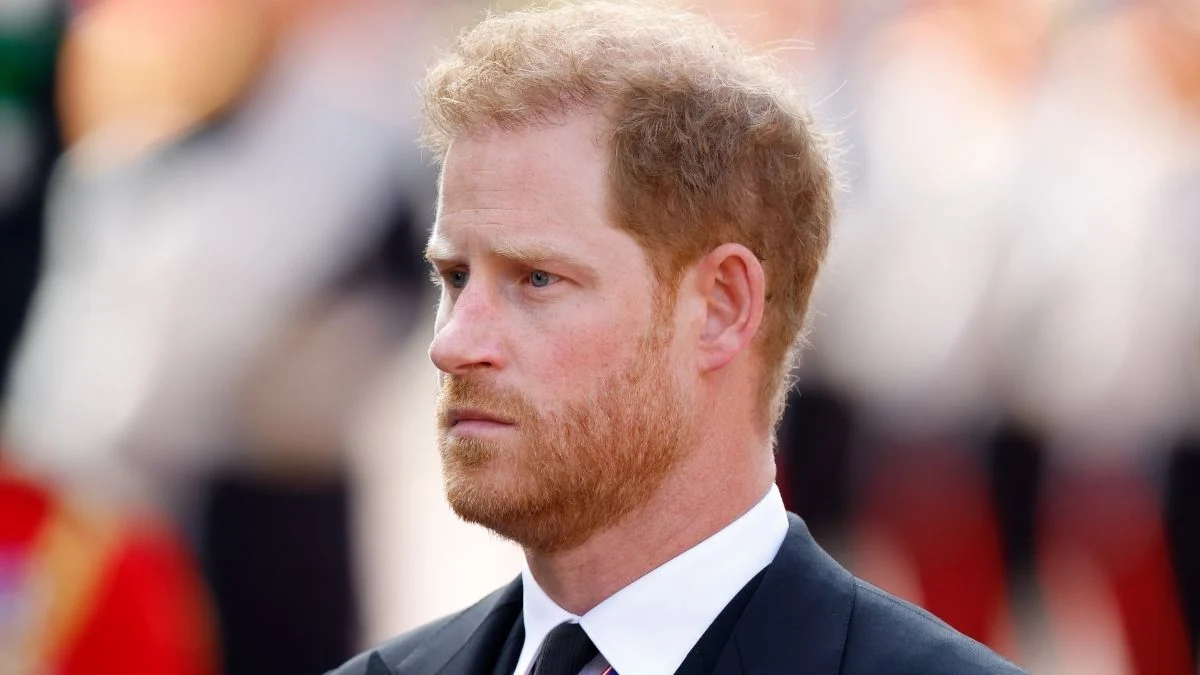
The delicate machinery of the British Royal Family’s public relations has once again come under scrutiny following a collision of high-profile events. Prince Harry, the Duke of Sussex, has found himself at the center of a fresh wave of criticism after announcing that the 2029 Invictus Games will be hosted in South Korea—an announcement that coincided precisely with Princess Anne’s official diplomatic tour of the same nation. While the Duke’s initiative to bring the international multi-sport event to Asia has been lauded by humanitarian advocates, the timing has prompted accusations from royal observers and social media critics that the Duke intentionally overshadowed his aunt’s state-level efforts.
Chronology of a Clashing Schedule
The tension began when Princess Anne, known as the "hardest-working royal" for her relentless schedule of public engagements, embarked on a significant diplomatic visit to South Korea. The trip, intended to bolster bilateral relations and celebrate shared history, saw the Princess Royal greeted with the traditional pomp and pageantry expected of a senior member of the House of Windsor.
Just as the Princess was engaging in high-level discussions and public appearances, Prince Harry issued a major press release regarding the future of the Invictus Games. The timing was deemed "awkward" by many, particularly because the core subject of the Duke’s announcement was the selection of Daejeon, South Korea, as the host city for the 2029 Games.
Critics were quick to point out that the logistics for such a massive international sporting event are rarely finalized in a vacuum. Speculation arose on digital platforms, with many suggesting that the Duke and his team were aware of the host nation long before the announcement, leading to accusations that the timing was a calculated maneuver to draw media oxygen away from Princess Anne’s official royal duties.
Supporting Data: The Invictus Games’ Strategic Expansion
The Invictus Games, founded by Prince Harry in 2014, has become the hallmark of his post-royal philanthropic life. Designed to aid the rehabilitation and recovery of wounded, injured, and sick military personnel and veterans, the event has grown from a London-based initiative into a global phenomenon.
The selection of Daejeon, South Korea, for 2029 marks a historic milestone: it will be the first time an Asian nation hosts the games. According to official statements, the 2029 event is slated for October 6–15, expecting an influx of 550 competitors representing 26 different nations. Prior to the South Korean games, the 2027 event is already confirmed for Birmingham, UK, marking a significant return to British soil.
In his official statement, the Duke of Sussex emphasized the strategic importance of the move: “As the first Asian nation selected to host the Games, the Republic of Korea represents an exciting new chapter in our journey to ensure that more wounded, injured, and sick service personnel and veterans can benefit from the power of sport and the strength of the Invictus community.”
Proponents of the Games argue that the geographic expansion is essential for the event’s mission. By bringing the Games to Asia, the Invictus Foundation hopes to increase awareness and support for the military community across the continent, shedding light on the psychological and physical challenges faced by veterans in a region where such support networks are still evolving.
Official Responses and Public Sentiment
The reaction to the announcement has been bifurcated, reflecting the deep-seated divisions often associated with the Duke of Sussex’s public profile. On one side, supporters of the Invictus Games have praised the decision as a bold step forward. They argue that the focus should remain on the veterans and the potential for the Games to change lives, rather than on internal family dynamics or minor scheduling conflicts.
Conversely, a significant portion of the public, particularly those who follow royal protocol closely, expressed frustration. On platforms such as X (formerly Twitter) and various royal commentary forums, users argued that the Duke’s team should have been more cognizant of the "royal diary."
"Princess Anne is out there doing the heavy lifting for the monarchy, and Harry drops this to ensure the headlines are about him," one commenter noted, a sentiment echoed by several royal correspondents who specialize in the "soft power" dynamics of the Firm. While there has been no official comment from Buckingham Palace regarding the timing of the announcement, the silence itself has been interpreted by some as a tacit acknowledgement of the friction between the Sussex camp and the working royals.
The Broader Implications for the House of Windsor
The controversy surrounding the South Korea announcement serves as a case study in the ongoing challenges facing the Royal Family in the post-Megxit era. Since stepping back from his role as a senior working royal, Prince Harry’s activities have often been viewed through the lens of his strained relationship with his family.
1. The Battle for Media Attention
In the age of 24-hour news cycles, media attention is a finite resource. When two major royal stories break simultaneously, the "clash" often benefits one party at the expense of the other. By choosing a moment when a senior working royal was engaged in state-level diplomacy, the Invictus announcement inevitably forced news outlets to choose between covering a state-led tour or a high-profile philanthropic announcement. This, critics argue, diminishes the visibility of the monarchy’s formal diplomatic efforts.
2. The Legacy of the Invictus Games
Despite the controversy, the Invictus Games remain arguably the most successful and widely respected project associated with Prince Harry. His recent recognition by TIME magazine for his work with the Games underscores the project’s global prestige. The debate over timing does not diminish the impact the Games have on veterans, but it does highlight the difficulty of separating Prince Harry’s identity as an individual philanthropist from his identity as a member of the British Royal Family.
3. The Future of Intra-Family Relations
The incident follows an emotionally charged period for the family, including the Duke’s recent visit to the UK and his reunion with King Charles. Reports of reconciliation efforts have been intermittent, but incidents like this highlight the lack of coordination—or perhaps the deliberate absence of it—between the Duke and the institution he left behind. The lack of a unified "royal calendar" that includes the Sussexes means that such collisions are likely to continue, further complicating the public perception of the family’s unity.
A Path Forward or More of the Same?
As the dust settles on the announcement, the focus now shifts to the preparation for the 2027 Birmingham Games and the long-term planning for the 2029 South Korean event. The Invictus Games Foundation continues to operate as an independent entity, which grants the Duke the autonomy to make decisions, such as the timing of major announcements, without the oversight of the Palace.
However, the "overshadowing" narrative has become a persistent theme in the Duke’s public life. Whether this is a result of calculated PR strategies or simply the inevitable result of two high-profile entities operating in the same sphere remains a matter of intense debate.
Ultimately, the South Korean trip of Princess Anne was a success in its own right, focusing on key diplomatic milestones that strengthen the UK’s position on the global stage. Simultaneously, the Invictus announcement has successfully secured a new host nation for an event that continues to offer vital support to military personnel worldwide.
The incident leaves us with a lingering question about the future of the British monarchy: in a world where the Sussexes and the working royals continue to navigate separate paths, is there a mechanism to prevent these collisions of publicity? As it stands, the public remains divided, with the controversy serving as a stark reminder that even thousands of miles away in Seoul, the shadows of the British royal family’s internal dynamics continue to loom large.
For the veterans who stand to benefit from the 2029 Invictus Games in Daejeon, the geopolitical and familial nuances of the announcement are likely secondary to the promise of support, rehabilitation, and community. Yet, for those observing the House of Windsor, the incident remains a clear indicator that the distance between Prince Harry and the institution of the monarchy remains as vast as the geographic distance between London and Seoul.
 Neng Nana
 Azzam Bilal Chamdy
 Nana
Nana
