

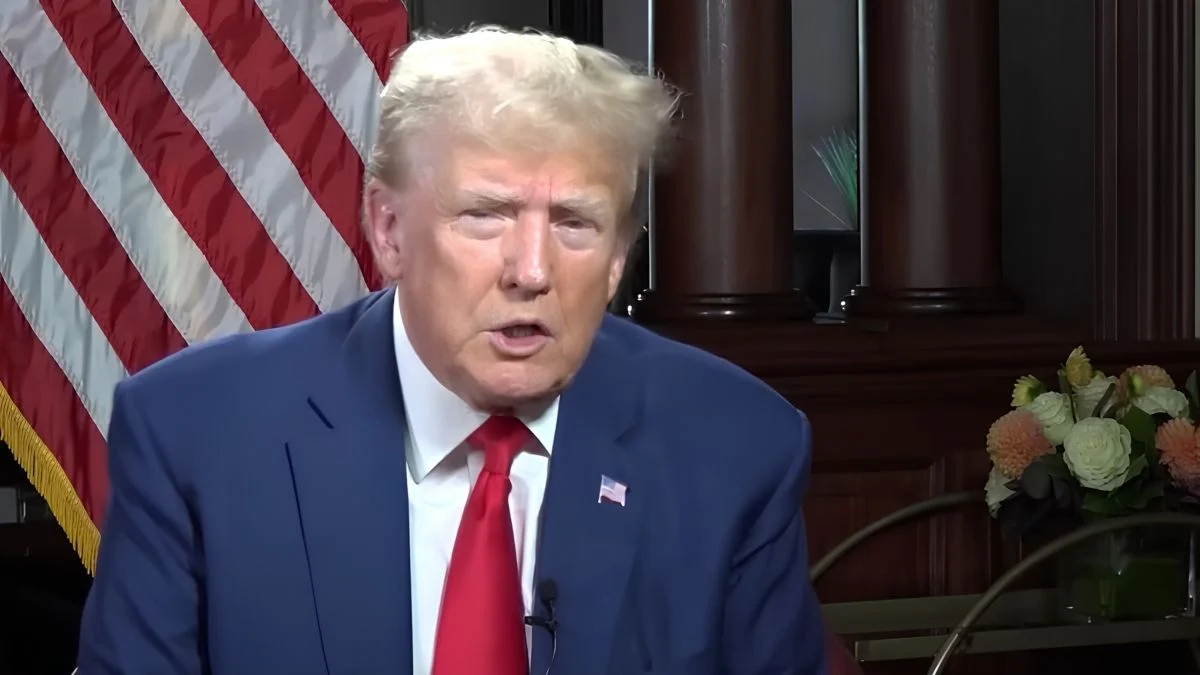
Despite persistent assurances from the White House regarding the President’s robust vitality, a growing chasm has emerged between official messaging and public perception. A recent survey conducted by Quinnipiac University reveals that a significant majority of Americans remain skeptical of the administration’s disclosures concerning Donald Trump’s physical and mental fitness. As the President navigates his 80th year, the debate over his health has moved beyond the fringes of political gossip, becoming a central point of national concern.
The State of Public Trust: Key Findings from the Quinnipiac Poll
The latest data from Quinnipiac University paints a sobering picture of voter sentiment. When asked to evaluate the transparency of the current administration, the results were unequivocal: 59% of respondents expressed doubt that the White House is providing a full, accurate account of the President’s medical status. In contrast, only 34% of those surveyed believe the executive branch is being forthcoming.
Tim Malloy, a prominent polling analyst at Quinnipiac University, encapsulated the public’s apprehension: “Is the President physically and mentally well? On both questions, half of voters have their concerns, and a majority think the White House is keeping them in the dark.”
The skepticism is bifurcated into two primary areas: physical constitution and mental acuity. Regarding his physical health, 50% of voters stated they do not believe the President possesses the "perfect" physical condition he frequently claims, while 46% maintain that they have no reason to suspect significant underlying ailments. The margins are similarly tight regarding his mental fitness, with 51% of participants questioning his cognitive health, while 46% maintain confidence in his mental state. This near-even split indicates that health concerns have become a polarized issue, largely reflective of the broader partisan divide in American politics.
A Chronology of Concern: From Public Appearances to Viral Speculation
The public’s scrutiny of the President’s health did not arise in a vacuum. Over the past several months, a series of high-profile incidents and visual anomalies have fueled a cycle of speculation that the White House has struggled to mitigate.
The UFC Freedom 250 Incident
The most frequently cited moment in the current discourse occurred during the President’s 80th birthday celebration at the "UFC Freedom 250" event. As a prominent attendee, the President was captured on camera in a seated position for an extended period. During the proceedings, multiple photos and clips appeared to show the President drifting into sleep while surrounded by guests and officials. For many observers, this served as a visual catalyst for long-standing whispers regarding his energy levels and stamina.
The "Bruise" Narrative
Physical observations have also played a significant role in shaping the narrative. Investigative commentators and social media observers have closely scrutinized the President’s hands, noting visible marks that have sparked intense debate. During a high-stakes meeting with the NATO Secretary, close-up photography appeared to show a distinct purple scar or blemish on the President’s left hand.
This was followed by his appearance at the G7 Summit, where attendees and press photographers noted what appeared to be a crescent-moon-shaped bruise on his hand. While various theories regarding these marks have circulated—ranging from simple IV-related bruising to more complex medical issues—the White House has remained largely silent on the specific physical cause, leading to a vacuum of information that the public has been eager to fill with their own conclusions.
The Anatomy of the Debate: Evaluating Presidential Fitness
In the American political tradition, the health of the Commander-in-Chief is a matter of profound national security. Throughout history, the physical and mental well-being of the President has been scrutinized to ensure that the individual occupying the Oval Office is capable of executing the duties of the office, including the management of the nuclear triad and international diplomacy.
The Mental Health Question
The 51% of Americans who voiced concerns regarding the President’s mental health are not necessarily pointing to a specific clinical diagnosis, but rather to a broader anxiety about the cognitive demands of the presidency. Critics often point to shifts in speech patterns, the complexity of public addresses, and the President’s reliance on teleprompters versus spontaneous discourse as indicators of change. Supporters, however, argue that these critiques are merely politically motivated attacks designed to undermine a leader who continues to command a massive, energetic base.
Physical Stamina and the "Perfect Health" Narrative
The President’s insistence on his own "fine fettle" has become a rhetorical hallmark of his administration. However, this narrative often clashes with the reality of an octogenarian schedule. Critics argue that the White House’s insistence on perfection is counterproductive; by refusing to acknowledge the natural limitations associated with aging, they argue, the administration invites more intense speculation than a more transparent, moderate approach would.
Official Responses and the Strategy of Denial
The White House has maintained a consistent posture of denial regarding any health-related decline. Official spokespersons have repeatedly characterized the President’s health as excellent, often citing the results of annual physical exams to bolster their claims. When confronted with specific allegations—such as the reports of the President sleeping at events or questions regarding bruising—the administration typically deflects, dismissing such claims as "partisan noise" or "misinterpretations of camera angles."
This strategy, while designed to project strength, appears to be contributing to the very lack of trust identified in the Quinnipiac poll. By categorizing legitimate inquiries about the President’s well-being as "attacks," the White House may be inadvertently widening the gap between the administration and a public that is increasingly wary of the information flow coming from the Executive Branch.
The Implications: What This Means for the Future
The implications of this polling data are significant for both the remainder of the current term and the broader political climate.
- The Transparency Deficit: If the majority of the electorate does not believe their leader is being honest about his health, the government’s ability to communicate effectively on other matters may be compromised. Trust is the currency of governance; when that currency is devalued in one area, it often leads to skepticism in others.
- The Role of Independent Media: The rise in concern underscores the growing influence of independent observers and digital media. With the official line being met with skepticism, the public is turning to crowdsourced analysis of photos and videos to find "the truth," a process that is often prone to error but highlights the public’s hunger for unfiltered data.
- Future Campaign Considerations: As the political cycle continues to accelerate, health will undoubtedly remain a central theme. If the President chooses to seek further office or exert influence over his party’s future, the medical reports provided by the White House will likely face even more stringent, independent verification from medical professionals and journalists alike.
Conclusion
The discourse surrounding President Trump’s health is a complex intersection of age, transparency, and partisan tribalism. While the President remains adamant about his vigor, the American public has demonstrated a clear, statistically significant desire for greater honesty. As the administration continues to manage the dual pressures of governing and maintaining its public image, the challenge will be to reconcile the President’s personal narrative with the growing, evidence-based concerns of the citizens he leads.
Until the White House adopts a more proactive and transparent approach to addressing these medical inquiries, it is likely that the "credibility gap" will persist, serving as a constant backdrop to the President’s official engagements and a defining narrative of his current tenure. For now, the ballot box remains the ultimate arbiter of public sentiment, and the 59% of Americans who doubt the administration’s health assessments represent a constituency that is unlikely to be swayed by rhetoric alone.
 Neng Nana
 Azzam Bilal Chamdy
 Nana
Nana
