

In the rarefied air of Napa Valley’s Pritchard Hill, where volcanic soils and high-elevation sunlight conspire to create some of the world’s most profound Cabernet Sauvignon, a rare opportunity has emerged. The Gandona Estate, a meticulously curated 18-acre vineyard property, has officially hit the market for $40 million. Represented by Engel & Völkers St. Helena Napa Valley, the estate is more than just a home; it is a turnkey legacy asset, blending a sophisticated architectural residence with a fully operational, high-production winery.
The Main Facts: A Synthesis of Luxury and Viticulture
At the heart of the Gandona Estate lies a sprawling 5,000-square-foot main residence, a structure designed to harmonize with its rugged, elevated surroundings. Boasting four bedrooms, the home offers panoramic vistas that stretch across the valley floor to the shimmering expanse of Lake Hennessey. The architecture emphasizes the natural beauty of the region, utilizing stone accents and soaring ceilings that invite the dramatic Napa sunlight indoors.

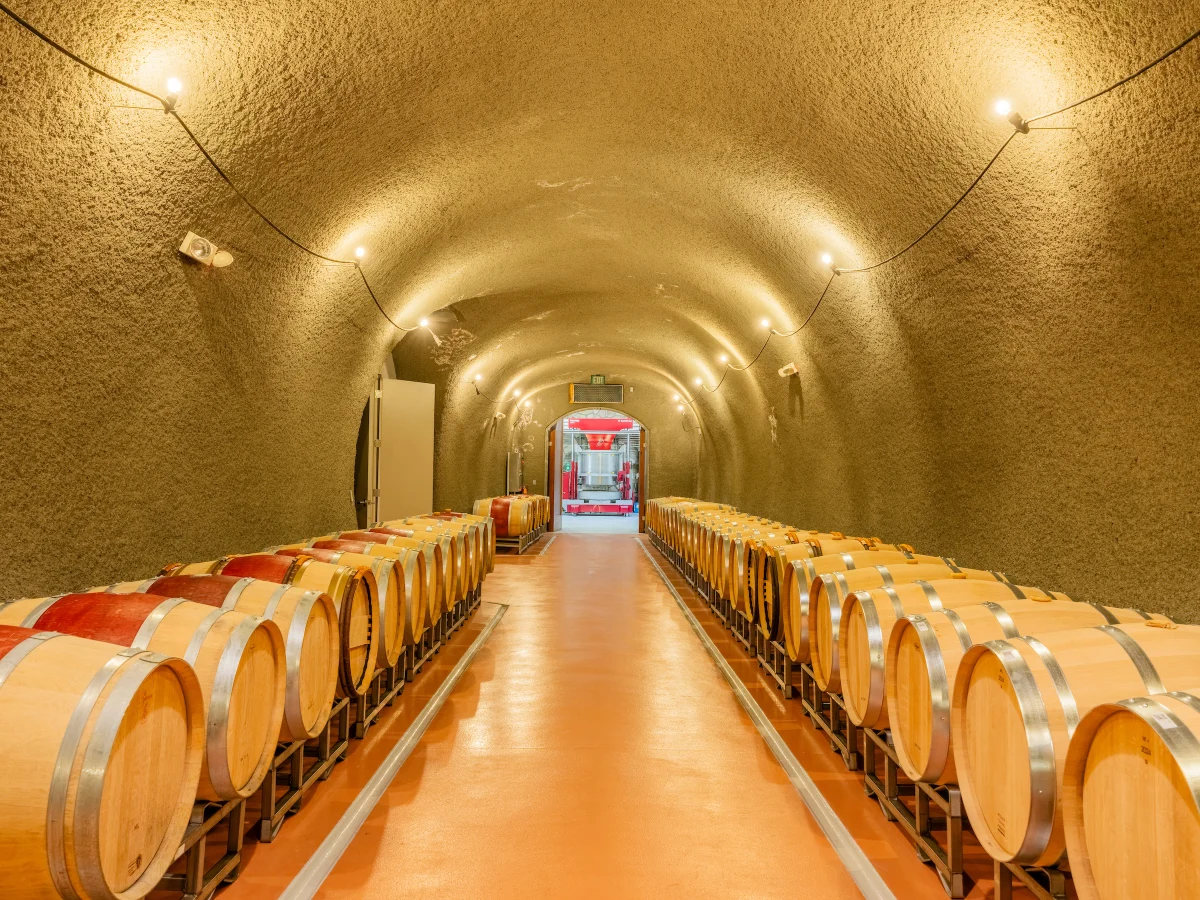
Beyond the main home, the estate is a self-contained ecosystem for high-end winemaking. The production facility spans 3,500 square feet, complemented by an expansive 8,000-square-foot cave system carved directly into the hillside—a prerequisite for the patient, temperature-controlled aging required for world-class reds. The property holds substantial permits, allowing for an annual production of up to 20,000 gallons, alongside authorization for up to 4,444 annual visitors and 13 exclusive marketing events. For the prospective buyer, this is an immediate transition into the elite echelons of California viticulture.
A Chronology of Excellence: The Gandona Legacy
The story of Gandona began in 2006, born from a vision to capture the singular terroir of Pritchard Hill. Unlike the valley floor, where soil deposits are deep and nutrient-rich, the slopes of Pritchard Hill are defined by rocky, volcanic earth that forces vine roots to struggle, resulting in lower yields but remarkably concentrated fruit.

- 2006: The estate is founded, with a focus on establishing a reputation for limited-production, high-caliber Cabernet Sauvignon and Cabernet Franc.
- 2007–2015: Years of intensive viticultural development, as the winery fine-tunes its techniques to manage the dramatic elevation shifts and unique drainage patterns of the site.
- 2016–2023: The estate cements its brand, building a loyal following among oenophiles and critics who prize the structured, age-worthy wines that have become the signature of the region.
- 2024–2025: The estate undergoes final preparations for market, ensuring that all permits, equipment, and logistical infrastructure are seamlessly integrated for a new owner.
- 2026: The property officially lists for $40 million, inviting a new steward to take the reins of an already polished, highly respected label.
Supporting Data: Why Pritchard Hill Commands a Premium
Pritchard Hill is not merely a geographic location; it is a brand-defining moniker in the global wine market. Properties in this sub-region of Napa Valley consistently fetch top-tier valuations due to their scarcity and the specific quality of the wine they produce.
Current market data from Realtor.com indicates that the inventory of turnkey, high-end vineyard estates has tightened significantly over the last 24 months. This squeeze is driven by a convergence of factors: the rise of tech-wealth in the nearby Bay Area and a growing desire among high-net-worth individuals for "lifestyle-oriented" assets that offer both a retreat from the urban grind and a legitimate business enterprise.

For a buyer, the value proposition here is heavily weighted toward "time saved." The engineering, environmental impact reporting, and permit acquisition processes in Napa County are notoriously arduous, often spanning years or even decades. At Gandona, these hurdles have been cleared. Furthermore, the property includes additional potential: permitted and engineered plans for five more acres of vineyards await development, offering an immediate growth vector for a future owner.
Official Perspectives and Market Context
While Engel & Völkers has not released specific commentary on the seller’s motivations, the listing timing aligns with a broader trend of generational transitions in California wine country. As the "Silicon Valley effect" continues to push capital toward Napa, properties like Gandona are increasingly viewed as the ultimate trophy assets.

"It is a rare day when a fully operational, high-elevation estate with these specific permits becomes available," notes one industry analyst familiar with the transaction. "Most buyers at this price point are looking for the ability to move in and begin hosting guests and bottling vintages immediately. The fact that the equipment and existing inventory are part of the conversation makes this an exceptionally rare ‘plug-and-play’ scenario for an investor."
The listing also comes at a time when Napa Valley is navigating the complexities of climate change and evolving consumer tastes. However, the high elevation of Pritchard Hill—which often stays above the morning fog and benefits from cooler nighttime temperatures—is increasingly seen as a vital hedge against warming trends, ensuring that the fruit grown here remains vibrant and balanced.

Implications for the Future of Napa Valley
The sale of the Gandona Estate represents a broader shift in the "Napa Narrative." As the region matures, the era of building from scratch is largely coming to a close. Most of the prime hillside land is already occupied or under strict environmental protection, making the acquisition of established estates the only viable path for new entrants who want to operate at the highest level.
This transition has significant implications:

- Consolidation of Prestige: As luxury estates change hands, the focus shifts from "building the brand" to "elevating the brand." New owners are likely to invest in experiential marketing, digital-first direct-to-consumer sales, and hospitality upgrades to cater to an increasingly global, ultra-affluent clientele.
- The "Lifestyle Estate" Trend: The demand for homes that serve as both a personal sanctuary and a productive business is rising. The modern wine country buyer is less interested in passive investment and more interested in active, high-touch management of their own label.
- Market Resilience: Despite economic headwinds, the demand for iconic Napa Valley dirt remains inelastic. The $40 million price tag on Gandona is a reflection of the "scarcity premium" attached to the Pritchard Hill name, which has become synonymous with the best Cabernet in the Western Hemisphere.
Conclusion
The Gandona Estate stands as a monument to the marriage of rugged terrain and refined craftsmanship. For a buyer looking to secure a foothold in the most exclusive zip code of American viticulture, it offers a complete, finished masterpiece. With the heavy lifting of development behind it, the estate is positioned as a turn-key legacy for the next generation of wine legends.
Whether the new owner chooses to continue the current label’s tradition or pivot toward their own unique vision, the foundation provided—the volcanic soil, the meticulously managed vines, and the architectural elegance of the residence—provides all the necessary components for success. In the world of high-end real estate, where time is the only currency one cannot buy, Gandona offers the gift of immediacy, making it one of the most compelling opportunities currently on the market in California.
 Evan Lee Salim
 Asep Darmawan
 Laily UPN
