

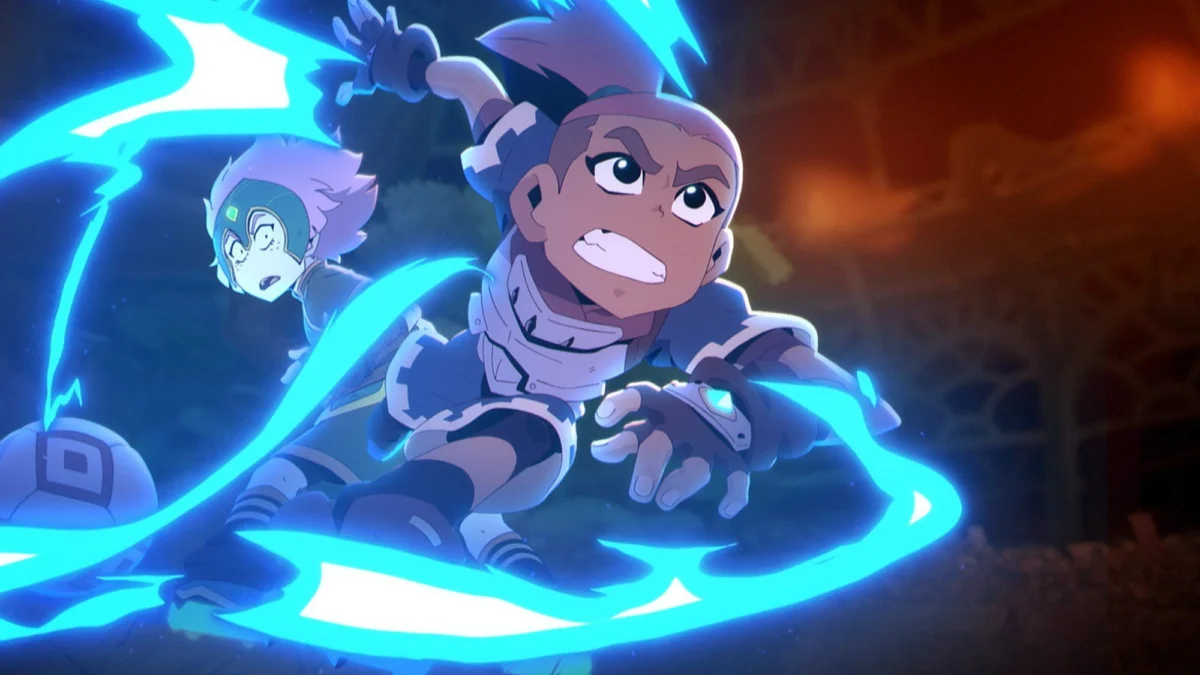
In the vast, often saturated landscape of streaming animation, true gems occasionally slip through the cracks, hidden by the lack of traditional marketing muscle. Such was the case with Dragon Striker, a high-octane fantasy sports series that premiered quietly on Disney Plus this past June. Despite its muted debut, the series has rapidly cultivated a devoted, grassroots following—a testament to the adage that quality, when coupled with genuine heart, finds its audience.
Now, following a triumphant announcement at the 2026 Anime Expo, Disney has confirmed that Dragon Striker will return for a highly anticipated second season. Set for a dual release on Disney XD and Disney Plus in early 2027, the renewal signals a pivot for the studio: a move toward embracing auteur-driven, globally influenced animation that favors character-driven narrative over the safety of established intellectual property.
The Genesis of a Modern Classic: A Chronology of Success
The journey of Dragon Striker began within the walls of Paris-based Chouette Studios. Founded by a collective of artists and animators who grew up idolizing the aesthetic and emotional resonance of Japanese animation, the project was designed to bridge the gap between Eastern and Western sensibilities.
- Pre-Production (2024–2025): The series was developed as a love letter to the "Shonen" genre. The creators drew inspiration from RPG classics like Chrono Trigger and the competitive spirit of global soccer, aiming to create something that felt both epic and deeply intimate.
- The June 2026 Premiere: Disney Plus dropped the first season with little fanfare. Observers noted that the series was not prioritized in the company’s massive marketing apparatus, which remained focused on live-action remakes and major franchise tentpoles.
- The Grassroots Explosion (July 2026): Within weeks of its release, word-of-mouth recommendations turned the show into a viral hit among animation enthusiasts. Comparison points quickly emerged, with critics likening its world-building to Avatar: The Last Airbender and its school-based competition arc to My Hero Academia.
- Anime Expo 2026 (July 2, 2026): During the industry’s marquee event in Los Angeles, Disney executives officially pulled back the curtain on the show’s future, announcing a second season and cementing the show’s status as a pillar of the studio’s animation slate.
The Anatomy of the Show: Why It Resonates
At its core, Dragon Striker tells the story of Key Nagatatsu, a farm boy whose life is upended by the discovery of a "Dragon tama"—an ancient, powerful relic that belonged to his late mother. This discovery propels him into the hallowed halls of the Kal Asterock academy, where students engage in gorotama, a high-stakes, magical version of soccer.
What separates Dragon Striker from its contemporaries is its structural confidence. It avoids the "monster-of-the-week" fatigue by weaving a serialized, slow-burn mystery into the sports-focused narrative. Key’s transition from a naive outsider to a core member of the "Knights"—a ragtag, abandoned banner team—serves as the emotional anchor of the series. The show effectively balances the camaraderie of the team (often compared to the "Aang Gang" dynamic) with the darker, more unsettling truths regarding the history of the Kal Asterock academy and the origins of the Dragon tama.
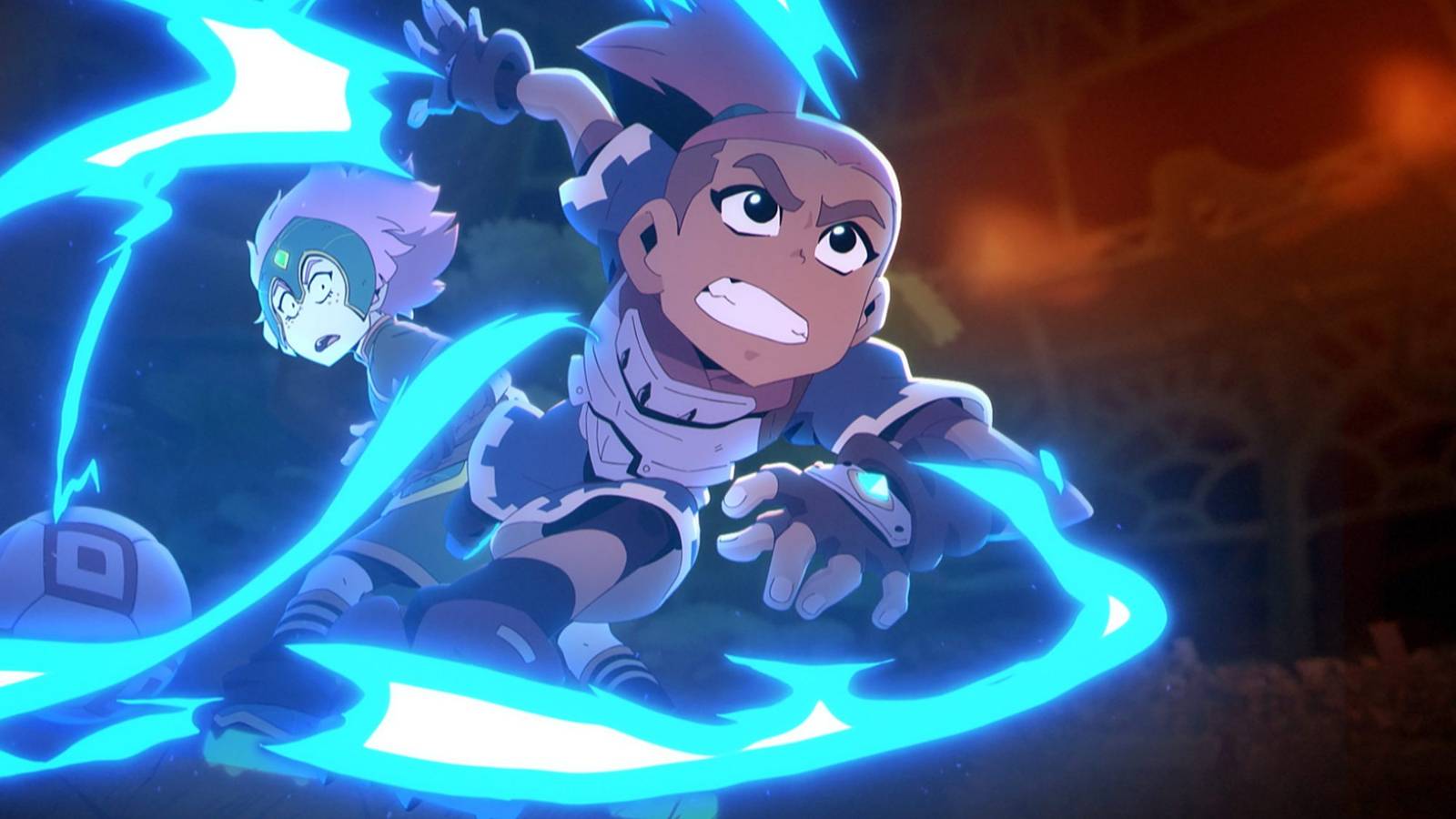
The animation style itself is a technical marvel. By marrying 2D traditional hand-drawn aesthetics with fluid, kinetic action sequences, Chouette Studios has created a visual language that feels distinct from the CGI-heavy norm. The "tama abilities"—unique, character-specific powers used during matches—are not merely tactical tools; they are visual representations of the characters’ personalities and growth arcs.
Supporting Data: The Power of Critical Acclaim
While Disney has been famously opaque regarding specific viewership metrics, the "success" of Dragon Striker is best measured through social engagement and community sentiment.
The "Anime vs. Cartoon" debate has become a hallmark of the show’s online discourse. Much like the debates surrounding Avatar: The Last Airbender nearly two decades ago, fans have spent countless hours analyzing whether the series qualifies as "true" anime. While this debate is largely pedantic, it serves as a powerful metric of the show’s cultural footprint.
Furthermore, the involvement of renowned composer Kevin Penkin—whose work on projects like Made in Abyss and Tower of God has garnered international acclaim—has lent the series a level of prestige that resonates with a more mature, musically literate audience. The synergy between the score and the animation is a frequently cited reason for the show’s high rewatch value.
Official Responses and Creative Direction
The announcement at Anime Expo was met with thunderous applause, a rare moment where the corporate entity (Disney) and the grassroots fan base were perfectly aligned. According to early reports from the expo, the second season will raise the stakes significantly.

The creative team has teased a narrative trajectory that moves beyond the tournament brackets of the first season. Season 2 is slated to focus on "broken friendships, buried secrets, and an ancient evil." This shift toward a higher-stakes fantasy epic indicates that the studio is confident in its audience’s ability to follow a complex, serialized plot.
The returning cast is a strong indicator of the show’s prestige. Stars including Akshay Kumar, Rebecca LaChance, Yeukayi Ushe, Waylon Jacobs, and Evanna Lynch have all confirmed their return. Their presence, combined with the continued involvement of Chouette Studios, suggests that the creative vision of the series remains firmly in the hands of its original architects.
Implications: A New Era for Disney Animation
The success of Dragon Striker serves as a critical case study for the Walt Disney Company. In an era where the studio has faced criticism for its reliance on live-action adaptations and nostalgic sequels, Dragon Striker represents a bold, original investment.
- A Shift in Strategy: If the second season receives a more robust marketing push—which is expected given the official announcement at Anime Expo—it could signal a permanent shift in how Disney approaches original content. It proves that there is a massive, untapped market for high-quality, genre-bending animation that doesn’t rely on existing IP.
- The "Chouette" Effect: By partnering with boutique studios like Chouette, Disney is essentially outsourcing the "soul" of their animation. This collaborative model allows the studio to benefit from the creative risks taken by smaller, artist-led companies while providing the global distribution infrastructure needed for a hit.
- The Sustainability of "Cozy-Epic": The show’s success validates the "cozy-but-epic" genre. Modern audiences are increasingly drawn to narratives that provide a comfortable, familiar world (the school setting) while simultaneously delivering high-concept fantasy stakes.
Looking Ahead: The Road to Season 2
As we look toward the early 2027 premiere, the primary question is whether Dragon Striker can maintain its momentum. The jump from a "hidden gem" to a "flagship series" is fraught with challenges. When a show becomes a sensation, the pressure to expand its scope can often lead to the dilution of the very elements that made it special.
However, the team behind Dragon Striker has demonstrated a clear understanding of what makes their world tick. By prioritizing the emotional journey of the Knights over mere spectacle, they have ensured that the series remains grounded even as it expands into more complex territory.

For those who have yet to dive in, the coming months provide the perfect opportunity to catch up. Dragon Striker is not just a show about a magical sport; it is an exploration of legacy, the burden of history, and the power of teamwork. If Disney truly leans into this project, it could well become the defining animated series of the late 2020s.
Whether you are a die-hard fan of the Avatar era or a newcomer looking for your next obsession, Dragon Striker demands your attention. It is rare to see a show that feels this vibrant, this intentional, and this alive. The dragon is rising—and it’s a show well worth following into the fray.
 Basiran
 Nana Muazin
 Layla Zulfa
