

Introduction: A Nostalgic Icon Hits Another Speed Bump
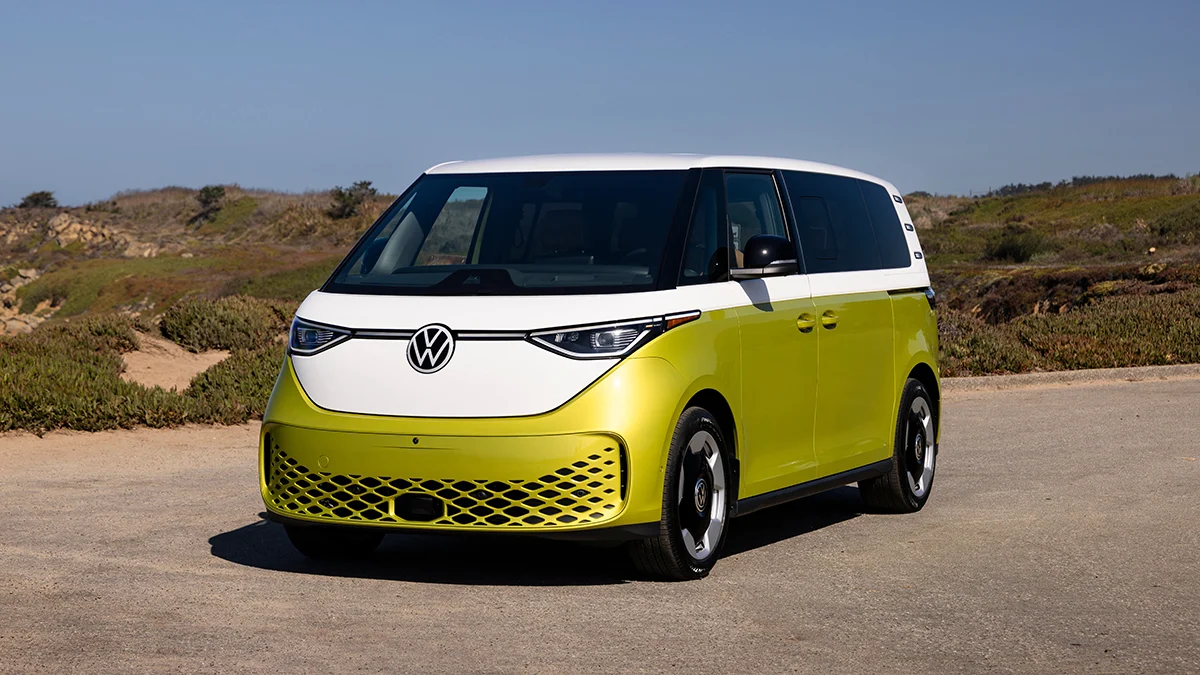
For automotive enthusiasts and everyday drivers alike, the Volkswagen ID. Buzz has long stood as a rolling symbol of optimism. Blending the nostalgic, universally adored silhouette of the classic Type 2 Microbus with modern, battery-electric architecture, the ID. Buzz was supposed to be a triumphant home run for the German automaker in the United States. Instead, its journey across the Atlantic has been defined by administrative hurdles, fluctuating market dynamics, and recalibrated corporate strategies.
In the latest twist for prospective American buyers, Volkswagen has confirmed that the ID. Buzz will not be returning to U.S. shores this fall as originally planned. According to reports surfaced by Automotive News and subsequently verified by corporate spokespeople, the modern-day electric minibus will now remain sidelined until at least the first half of next year. This latest postponement means the vehicle will have missed at least two consecutive model years in the American market, extending a frustrating waiting game for fans who hoped to see the reborn icon become a staple of American driveways.
While the announcement is undoubtedly a disappointment to dealers and enthusiasts, Volkswagen insists that the delay is strategic. The pause will allow the manufacturer to bypass minor iterative updates and instead introduce a heavily revised, feature-rich version of the van. As the automotive industry navigates a volatile landscape marked by shifting tax incentives, trade policies, and evolving consumer demands, the story of the ID. Buzz’s U.S. hiatus offers a fascinating lens into the complexities of launching nostalgic electric vehicles in the modern era.
1. Main Facts: What is Happening with the ID. Buzz?
The core reality of the announcement is straightforward, though its implications are multifaceted. Volkswagen of America has officially communicated to its nationwide network of dealerships that the anticipated fall reintroduction of the battery-powered van has been scrapped.
- The Timeline Shift: Initially slated to return to the U.S. lineup this autumn as part of the 2027 model year, the ID. Buzz is now expected to arrive during the first half of next year, arriving instead as a 2028 model-year vehicle.
- The Dealership Notification: The news was delivered to American dealers in a memo earlier this week, catching some sales floors off guard given how recently Volkswagen had touted the van’s autumn comeback.
- The Silver Lining: Rather than a simple logistical delay, Volkswagen has framed the postponement as an opportunity to bundle a series of critical, highly requested upgrades into a single, comprehensive launch.
- The Upgrades: When the 2028 ID. Buzz finally hits showrooms, it will feature native compatibility with the North American Charging Standard (NACS), an overhauled software experience, digital key integration, and an entirely new "Tourer" trim package designed specifically for adventure-seeking demographics.
2. Chronology: The Rocky Road of the ID. Buzz in America
To understand how the electric Microbus arrived at its current predicament, one must retrace a timeline filled with initial euphoria followed by compounding commercial and regulatory challenges.
The Initial Launch and High Expectations (Fall 2024)
When the ID. Buzz officially landed on U.S. shores in the autumn of 2024, it was met with an unprecedented wave of digital chatter, media coverage, and public curiosity. Dealerships reported crowds coming just to look at the vehicle, and automotive journalists praised its playful design, spacious interior, and undeniable curb appeal. For a brief moment, it seemed Volkswagen had captured lightning in a bottle twice.
The Reality Check and Sales Sluggishness (Late 2024 – 2025)
Unfortunately, internet fascination did not seamlessly convert into high-volume sales. Several formidable headwinds quickly materialized:
- Pricing Pressures: The ID. Buzz entered the market carrying the heavy distinction of being Volkswagen’s most expensive passenger vehicle in the United States, placing it out of reach for many everyday buyers looking for an affordable family hauler.
- Range Anxiety: Early reviews and consumer feedback frequently targeted the van’s driving range, which hovered around the 200-mile mark depending on the configuration. For a modern family road-trip vehicle, this figure felt restrictive compared to competing electric crossovers and SUVs boasting 300 miles or more.
- Regulatory and Political Shifts: The macroeconomic landscape shifted dramatically under the weight of changing political winds. President Donald Trump’s aggressive import tariffs introduced billions of dollars in added costs for automakers, while the broader legislative and economic environment saw the scaling back or elimination of lucrative federal electric vehicle tax credits.
- Quality Control Hurdles: Compounding these market pressures, the ID. Buzz suffered through two separate safety recalls during its initial rollout, denting consumer confidence during a critical window.
The Pullback (December 2025)
Recognizing that the initial launch configuration was struggling to find its footing against these mounting economic and competitive pressures, Volkswagen made the pragmatic decision last December to temporarily pull the vehicle from its U.S. lineup for the 2026 model year, aiming for a reset.

The Current Delay (September 2026)
Just months after announcing plans to bring the vehicle back for the fall 2026 window as a 2027 model, VW leadership realized that a rushed re-entry would not solve the vehicle’s underlying competitive disadvantages. Consequently, the company informed dealers this week that the vehicle’s return is being pushed back further into the first half of next year, cementing its designation as a 2028 model.
3. Supporting Data: Market Pressures and Consumer Metrics
The delays and strategic pivots surrounding the ID. Buzz are not happening in a vacuum. They are direct responses to a deeply shifting American automotive ecosystem.
| Challenge Factor | Impact on the ID. Buzz U.S. Rollout |
|---|---|
| Pricing Strategy | Positioned as VW’s most expensive U.S. model, limiting its total addressable market. |
| Driving Range | An initial ~200-mile range lagged behind consumer expectations for long-distance E.V. road tripping. |
| Trade & Policy Pressures | Tariffs implemented under President Donald Trump increased import and production anxieties, while shifting federal E.V. tax credits altered consumer purchasing incentives. |
| Recall History | Two early recalls introduced friction into the ownership experience and dampened early-adopter enthusiasm. |
Analysts point out that importing the ID. Buzz from its production facility in Hanover, Germany, also exposes the vehicle to currency fluctuations and international shipping complexities. While Volkswagen has weighed localized production for various electric platforms, the niche nature of the Microbus segment makes heavy regional investment a high-stakes gamble.
4. Official Responses: What Volkswagen is Saying
In the wake of the dealer notifications and ensuing media inquiries, Volkswagen representatives have moved quickly to manage expectations and refocus the narrative around future improvements.
Speaking exclusively to Robb Report on Friday, a spokesperson for Volkswagen of America offered a clear and forward-looking statement regarding the strategy behind the 2028 model year:
"The [2028] ID. Buzz brings together meaningful customer-focused enhancements in a single launch, further elevating the ownership experience and strengthening the vehicle’s appeal. We look forward to sharing additional details in the months ahead and welcoming the [2028] ID. Buzz to U.S. showrooms next year."
Rather than dwelling on the missed deadlines or the commercial shortcomings of the 2024–2025 iterations, VW’s corporate messaging emphasizes that listening to American consumers has been the driving force behind the delay. By taking extra time, the company hopes to deliver a product that requires no apologies—one equipped with the charging infrastructure compatibility and software stability that modern E.V. buyers demand.
5. Implications: The Future of the ID. Buzz and Beyond
The ongoing saga of the ID. Buzz carries broad implications not just for Volkswagen, but for the wider adoption of nostalgic or niche electric vehicles in North America.

For Current and Prospective Owners
For those who have been holding out for an electric van, the wait is undeniably prolonged. However, the eventual reward will be a significantly more mature vehicle. The integration of the North American Charging Standard (NACS) is arguably the most critical upgrade; it ensures that ID. Buzz drivers will have seamless access to the vast and reliable Supercharger network (and compatible equivalents), effectively neutralizing the range anxiety that plagued early adopters. Furthermore, the inclusion of digital key integration and a refined software suite addresses the common consumer complaint that legacy automakers lag behind tech-forward competitors in user experience.
The Adventure Market: The "Tourer" Trim and Beyond
The introduction of the new "Tourer" trim package signals that Volkswagen understands its target audience. The ID. Buzz is not merely a utilitarian passenger shuttle; it is a lifestyle vehicle. Buyers want to take it camping, road-tripping, and exploring.
This brings to light a lingering question among American van enthusiasts: If the standard ID. Buzz can eventually find its footing, will Volkswagen finally take the plunge and introduce its ultimate adventure sibling to the U.S.—the ID. California Cruise?
Unveiled in Europe late last month, the ID. California Cruise is an all-electric camper van factory-equipped with accessories designed specifically for nomadic living. Its features include:
- Rear seats that seamlessly convert into a comfortable bed
- Specialized ventilation grilles and custom blackout curtains for privacy
- An integrated camping table and chair set stored smartly within the vehicle’s architecture
Priced in Europe starting at 60,800 euros (approximately $69,250), the ID. California Cruise represents the spiritual zenith of the modern camper van movement. Currently, however, it remains a European exclusive. American fans can only look across the Atlantic with a mixture of admiration and envy, wondering if the U.S. market will ever be deemed stable and profitable enough to support such a specialized variant.
Conclusion: A Slow-Burn Revival
The story of the Volkswagen ID. Buzz in America is a reminder that transforming automotive nostalgia into modern commercial success is rarely a straight line. By pressing pause on the 2027 rollout and pushing the vehicle into the 2028 model-year window, Volkswagen is taking a calculated risk. It is sacrificing short-term momentum to secure long-term viability, betting that a better-equipped, NACS-compatible, software-refined Microbus will ultimately win over the skeptical American consumer.
If Volkswagen can successfully execute this relaunch next year, the ID. Buzz may yet fulfill its destiny as the defining electric vehicle of its generation. And if sales finally stabilize, perhaps American enthusiasts will finally get their wish: a chance to park an electric camper van like the ID. California Cruise in their driveways, ready to hit the open road. Until then, the legend of the electric Microbus remains parked just out of reach, waiting for its true American moment.
 Asep Darmawan
 Laily UPN
