

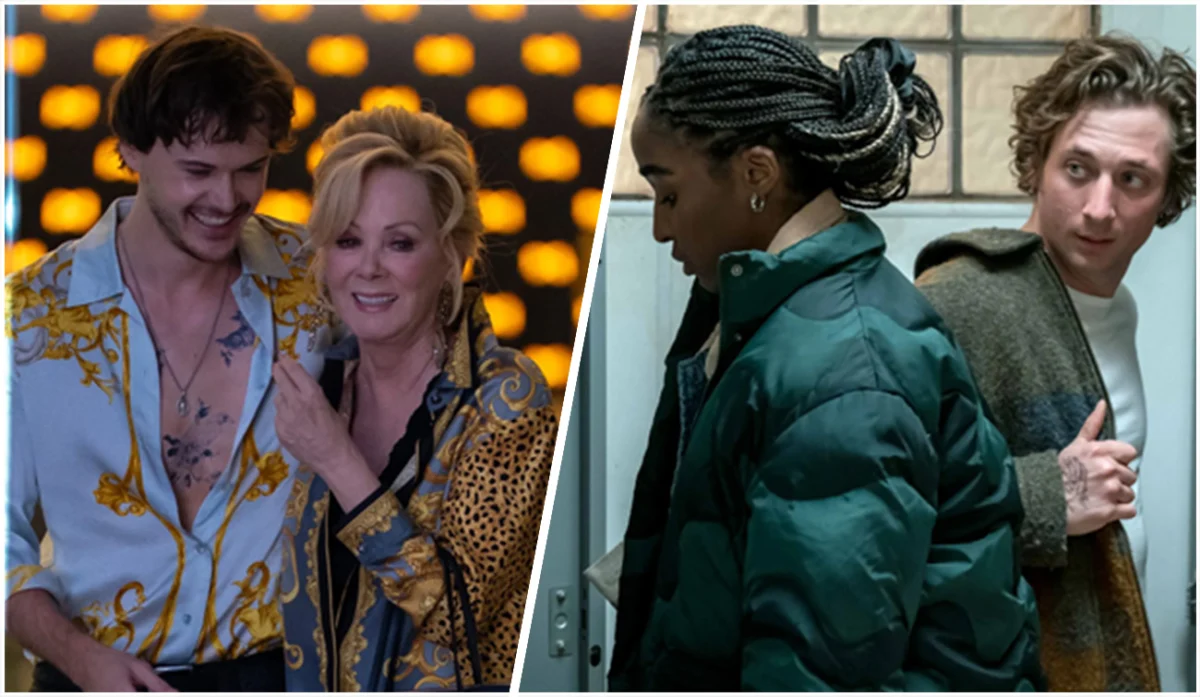
As the television industry braces for the highly anticipated announcement of the Emmy nominations next week, the consensus among the most seasoned awards analysts is clear: the status quo is under siege. In a candid, wide-ranging discussion for the latest installment of the Gold Derby "Emmy Face-Off" series, a panel of top industry pundits—Deadline’s Pete Hammond, The Hollywood Reporter’s Scott Feinberg, Variety’s Clayton Davis, and IndieWire’s Marcus Jones—suggested that the Television Academy’s voters are poised to disrupt the typical list of comedy favorites, potentially leaving long-standing perennials in the cold.
Moderated by Gold Derby editor-in-chief Debra Birnbaum, the panel dissects the shifting landscape of television excellence, focusing specifically on the volatile "Best Comedy Series" race and the increasingly controversial "TV Movie" category.
The State of the TV Movie: A Category in Crisis?
The discussion opened on a somber, if not cynical, note regarding the state of the television movie field. The pundits expressed palpable frustration with the current slate of contenders, lamenting a perceived decline in quality that has left the category feeling hollow.
"That category just needs to be thrown in the garbage bin," Scott Feinberg remarked, reflecting a broader industry frustration with how the Academy categorizes standalone projects. Feinberg challenged the current logic of the awards, questioning why TV movies are separated from limited series when the acting categories for both groups are already merged. "If all the acting categories that a TV movie performer would be eligible in are bundled with limited series, then why don’t they just put limited series and TV movies in the same category together?"
The panel agreed that the fragmentation of these categories does little to highlight excellence, serving instead to dilute the prestige of the awards. However, amidst the shared disdain for the field, one project managed to garner universal acclaim. Remarkably Bright Creatures stands as the undeniable frontrunner in the eyes of the experts. "No. 1 with a bullet," noted Marcus Jones, with the rest of the panel offering a rare, unanimous nod of approval.
Pete Hammond added a layer of industry intrigue to the conversation, revealing that Netflix had internally debated holding the film back for an Oscar run rather than an Emmy campaign. "I’ve never heard of such a thing," Hammond noted, highlighting the blurred lines between film and television distribution strategies in the streaming era.
Comedy’s Changing Guard: When Perennials Falter
The transition from the movie race to the comedy series category brought a shift in tone from cynicism to tactical speculation. For years, the Emmy comedy field has been dominated by a select group of "perennial nominees." However, this year, the experts believe the barrier to entry for these veteran shows has become insurmountable.

"I think there is some room for a perennial nominee to fall off," Clayton Davis observed. His analysis is backed by recent historical data. Abbott Elementary, once the darling of the Academy, saw its lowest nomination haul last year. Similarly, the mystery-comedy Only Murders in the Building experienced a sharp decline in recognition, dropping from a staggering 21 nominations to just seven in the previous cycle.
The pundits identified a "surge" in popularity for newer, fresher voices like Widow’s Bay, which is currently capturing the zeitgeist and threatening to displace the established guard. This shift indicates that voters are increasingly prioritizing "newness" over legacy, a trend that could leave some of the most recognized names in television comedy without a seat at the table this year.
The Rooster Debate: Ratings vs. Artistic Merit
One of the most heated moments of the debate centered on the series Rooster. Clayton Davis argued that the show’s undeniable commercial success—touted by HBO as its most-watched series of the year—should guarantee its place in the nominations.
However, the other pundits were quick to push back against the "ratings-equals-quality" argument. "That doesn’t mean it’s good," Pete Hammond countered, emphasizing that the Television Academy, at least in theory, weighs craft and storytelling above raw viewership numbers.
In place of Rooster, Hammond championed the critical darling Jury Duty: Company Retreat. "That’s my No. 1 choice," he declared, praising the production as a "brilliantly made show" that pushes the boundaries of the comedy format. The disagreement highlights the ongoing tension between the industry’s desire for mass-market hits and the voters’ penchant for high-concept, innovative storytelling.
Chronology of the 2026 Emmy Season
To understand the pressure facing the Academy, one must look at the timeline of this year’s awards cycle:
- Early 2026: Streaming giants finalize their "For Your Consideration" strategies, with an unprecedented number of titles competing for a limited number of slots.
- Late Spring 2026: The surge of shows like Widow’s Bay begins to dominate social media discourse, signaling a shift in voter preference.
- Early June 2026: The panel of experts convenes to evaluate the landscape, concluding that the "perennial" model of the past decade is effectively dead.
- Next Week: The official nominations are announced, which will confirm whether the pundits’ predictions of a "fall from grace" for comedy favorites were accurate.
Implications for the Industry
The implications of these potential shifts are significant. If veteran shows are pushed out in favor of new, buzzy series, it suggests that the Emmy electorate is becoming more reactionary to current trends and social media sentiment.

Furthermore, the vocal dissatisfaction regarding the TV movie category suggests that the Television Academy may face mounting pressure to restructure its awards ceremony. As the lines between prestige limited series and standalone films continue to blur, the current separation feels increasingly archaic. If the experts on the Gold Derby panel are correct, the Academy is not just choosing winners; they are failing to keep pace with the evolution of the medium itself.
Looking Ahead: The Drama Categories
As the conversation concluded, the pundits turned their attention to the remaining gaps in the ballot. The debate touched on which comedic actor might emerge as a "dark horse" candidate—a performer who has flown under the radar but whose performance is undeniable.
The panel also discussed the "hope-dictions"—the performances they personally believe deserve recognition, even if the Academy’s voting body is likely to overlook them. These selections often highlight the most interesting, experimental, or daring work in the industry, work that rarely makes it to the televised ceremony but defines the year for critics.
The experts will reconvene tomorrow to tackle the most prestigious and perhaps most contentious category of all: Drama. Given the shifts observed in the comedy and movie races, the drama category is expected to be just as volatile.
As the industry prepares for the upcoming nomination announcement, one thing is certain: the era of the "safe" Emmy ballot is over. Whether it is the rise of experimental comedies like Jury Duty or the total reassessment of how we classify movies, the 2026 Emmys are shaping up to be a referendum on what constitutes "peak television" in a crowded, noisy, and rapidly changing landscape.
For those looking to catch up on the full series of debates, the limited series face-off is available to watch here. Stay tuned for the final installment of the Gold Derby Emmy Expert panel, where the focus shifts to the intense competition within the drama categories.
 Siti Muinah
 Nana
Nana
 Asro
Asro
