

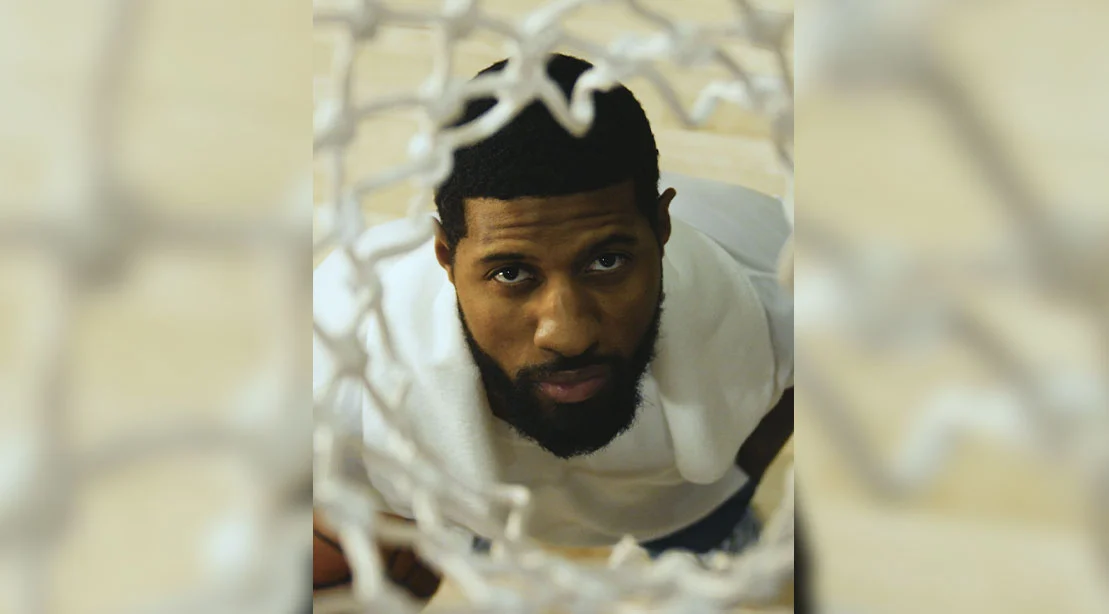
As Paul George steps onto the hardwood for his 17th NBA season, the atmosphere feels distinct. He is no longer the explosive, high-usage wunderkind whose primary job was to outrun and outjump the competition. He is now a seasoned veteran donning the iconic Boston Celtics jersey, tasked with a different kind of challenge: helping a championship-caliber roster navigate the grueling, unforgiving marathon of an 82-game season.
For George, the transition to Boston is more than just a change in geography or team colors; it is the culmination of nearly two decades of hard-won wisdom. Having logged over 30,000 regular-season minutes, endured significant surgeries, and navigated the emotional highs and lows of high-stakes basketball, George has undergone a fundamental shift in his philosophy. He has transitioned from a player who defined success by the sheer volume of his output to an athlete who defines it by the quality and consistency of his daily habits.
The Shift: Quality Over Quantity
In the infancy of his career, George operated under the standard athletic dogma: the more work, the better. If his legs felt heavy, he pushed harder. If a muscle ached, he worked through it. The belief was that the body was an infinite resource, a machine that would inevitably adapt to any level of abuse.
"At 25, I probably would have judged the day by, ‘How much can I get done today?’" George reflects. "Now, I look at it as, ‘How do I stack good days together?’"
This distinction is the cornerstone of his current approach. The transition from "winning the workout" to "winning the long game" is a maturation process that few players navigate successfully. For George, this evolution is not a concession to age, but a sophisticated understanding of professional durability. He has learned that an hour of highly intentional, focused work often yields superior results to a three-hour session that leaves the body depleted and prone to injury.
Chronology of a Career: From Prodigy to Professional
To understand George’s current mindset, one must look at the arc of his career. Entering the league as a raw, high-potential prospect, his early years were defined by his ability to play through minor ailments—a badge of honor for any young NBA star. However, the accumulation of seasons began to take its toll.
- The Early Years (2010–2015): The era of "more is better." High-intensity, high-volume training with little regard for recovery protocols.
- The Middle Years (2016–2021): The reality check. After experiencing major injuries and subsequent long-term rehabilitations, George began to realize that availability is the most valuable currency in the NBA.
- The Veteran Years (2022–Present): The era of intentionality. Recovery is no longer an afterthought; it is integrated into the daily schedule alongside shooting drills and strength training.
This trajectory has led him to his current tenure with the Boston Celtics. Joining a team with a clear championship standard requires a player who can contribute at a high level when the pressure is at its peak in May and June, not just one who can put up numbers in November.
Supporting Data: The Cost of Competition
The physical toll of an NBA career is staggering. With over 30,000 regular-season minutes, George’s body has faced the equivalent of a lifetime of trauma. The statistics confirm the necessity of his shift: George missed a combined 86 regular-season games over the past two seasons. This, for a player of his caliber, is not merely a statistical anomaly—it is a clear indicator that the old "push-through-it" mentality is no longer sustainable.
In the modern NBA, where the pace of play is faster and the reliance on spacing and perimeter shooting has increased the strain on joints and ligaments, player availability has become the primary predictor of postseason success. For the Celtics, George’s presence is only as valuable as his health. Consequently, his preparation now encompasses:
- Advanced Mobility: Prioritizing joint health to maintain the explosiveness required to guard elite perimeter players.
- Integrated Nutrition: Viewing fuel as a critical component of cellular repair.
- Sleep Hygiene: Recognizing that the highest level of human growth hormone production and tissue repair occurs during deep sleep, not in the weight room.
Official Perspectives and Expert Insight
George’s partnership with Exparel, a non-opioid postsurgical pain management option, highlights his proactive approach to medical decision-making. In a league where players often treat injury management as a reactive process—something to deal with only after it occurs—George has become an advocate for informed, preemptive planning.
"I’ve learned to ask more questions," George notes. "What should I expect? What are my options? How are we going to manage my pain? I want to know the plan and what I can do to put myself in the best position for postsurgical recovery."
This attitude extends to his relationship with the Boston training staff. Rather than viewing the medical team as a group to visit only when an injury occurs, he treats them as partners in performance. He is constantly seeking to understand the "why" behind his treatment protocols, a trait that marks the difference between a player who merely follows instructions and one who masters his own biology.
The Strategic Implications for the Boston Celtics
What does this mean for the Celtics’ title hopes? The acquisition of a veteran like George brings a level of tactical and physical intelligence that is difficult to quantify. By prioritizing his own health, George is essentially teaching his younger teammates the value of professional longevity.
The strategy is clear:
- Workload Management: By tempering his intensity during the dog days of January and February, George ensures he has the physical reserves to compete at an elite level during the playoffs.
- Defensive Versatility: By maintaining his mobility, he remains a nightmare for opposing offenses. He does not need to reinvent his game; he needs to refine his application of his existing skills.
- Culture Building: The "Celtics Standard" is built on accountability. By demonstrating that recovery is a form of hard work, George elevates the entire team’s approach to the season.
Wisdom from the "OG"
When asked what he would tell his 25-year-old self, George is reflective. "When you’re 25, you think you’re always going to feel 25. I would tell that version of myself to put the same discipline into sleep, mobility, and nutrition that he puts into making shots."
This is the message he now carries into the Boston locker room. He is no longer just chasing the ball; he is chasing the long-term viability of his craft. He understands that every choice made in the fall ripples into the spring. Whether it is an extra hour of sleep, a dedicated mobility session, or a smarter approach to pain management, these "little things" are the foundation upon which championships are built.
As the season unfolds, the basketball world will be watching to see if this measured, calculated, and highly disciplined Paul George can finally secure the elusive championship that has defined his career goals. If the secret to longevity is indeed making smart decisions consistently, then the Celtics may have acquired the most valuable asset in the league: a veteran who finally knows exactly how to get the most out of his body when it matters most.
The lesson for the next generation is simple, yet profound: you don’t have to win every single workout to win the season. You just have to be there, at your best, when the lights are brightest. And for Paul George, that is the new definition of greatness.
 Lina Hope
 rifanmuazin
 Laily UPN
