

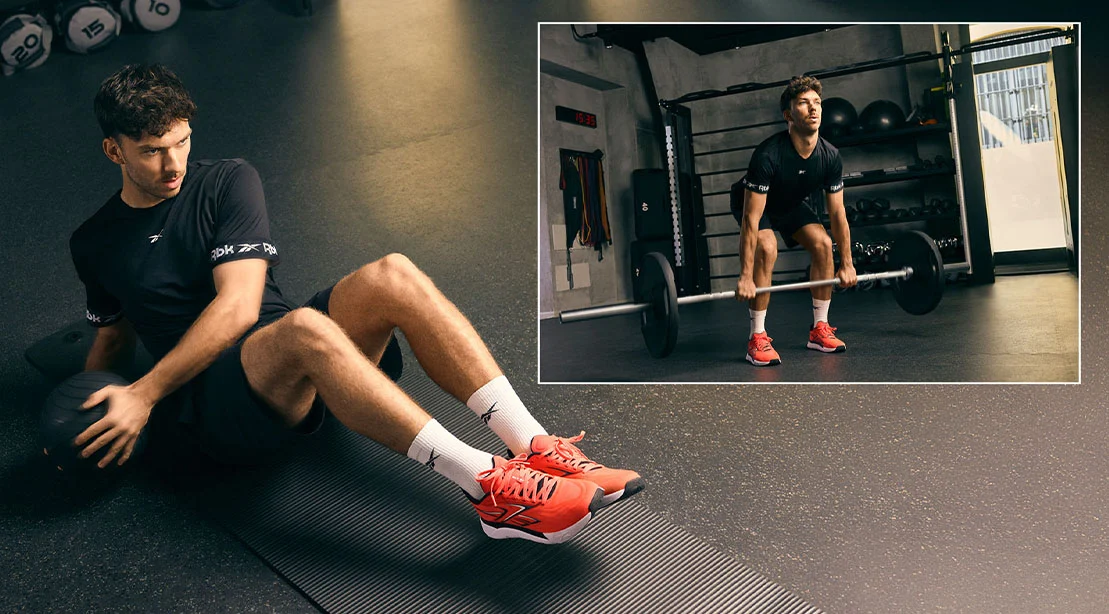
In the high-stakes world of functional fitness, where the difference between a personal best and a plateau is often measured in milliseconds, footwear is no longer just an accessory—it is a critical piece of performance equipment. As the industry shifts toward high-intensity, multi-planar movement patterns, Reebok has responded with the launch of the Nano Gym 2.0. By shaving 20% off the weight of its predecessor while simultaneously increasing structural responsiveness, Reebok is aiming to redefine what a “do-it-all” training shoe looks like in 2026.
Main Facts: A Leaner, More Responsive Machine
The Reebok Nano Gym 2.0 arrives at a pivotal moment in the fitness landscape. Tipping the scales at a mere 10.6 ounces (approximately 300g), the sneaker represents a significant departure from the bulkier, heavy-duty training shoes that dominated the market for years.
The core mandate behind the 2.0 was simplicity through engineering. By stripping away non-essential materials and refining the construction process, Reebok has achieved a 20% weight reduction. This reduction is not merely for comfort; it is a tactical design choice aimed at reducing fatigue during high-volume training sessions, such as HIIT (High-Intensity Interval Training) circuits or endurance-based fitness races like HYROX.
The shoe maintains a low profile, emphasizing ground feel and stability, while utilizing a revamped upper and an advanced foam compound. With a launch price point of $100, Reebok is positioning the Nano Gym 2.0 as an accessible, high-performance hybrid tool for the everyday athlete who demands transition-ready footwear.
Chronology: The Journey to the Nano Gym 2.0
The lineage of the Nano series is well-documented in the annals of CrossFit and functional training history. However, the "Gym" sub-line represents a pivot toward the broader, non-specialized fitness consumer.
2025: The Foundation. The original Nano Gym was introduced to bridge the gap between traditional weightlifting shoes and pure running silhouettes. While successful, feedback from the community highlighted a desire for greater weight reduction and enhanced energy return.
Early 2026: The Development Phase. Reebok’s R&D team, led by Director of Training Footwear Tal Short, began an intensive audit of the shoe’s components. The goal was to identify "dead weight"—materials that added structure without contributing to performance. The team focused on refining the mesh density of the upper and optimizing the geometry of the outsole.
Mid-2026: The Refinement. Through several iterations, the team landed on the integration of FLOATPULSE foam. This material, previously reserved for higher-tier running products, was recalibrated for the specific lateral and vertical stresses of a gym environment.
July 16, 2026: The Global Launch. The Nano Gym 2.0 hits the market, arriving in a series of unisex colorways designed to transition seamlessly from the gym floor to the street.
Supporting Data: The Physics of the 20% Reduction
To understand how a sneaker can be 20% lighter without sacrificing support, one must look at the interplay between the upper and the midsole. The weight reduction was not achieved by cutting corners, but by "surgical" design, as described by Tal Short.
The Upper: Engineered Breathability
The upper of the Nano Gym 2.0 utilizes an advanced, high-density mesh. In previous models, the support structure often relied on heavy overlays. In the 2.0, Reebok has moved toward "zonal engineering." By varying the knit density, they have created a "locked-in" feel around the midfoot and heel, while leaving more porous, breathable sections in the forefoot. This eliminates the need for heavy plastic cages that previously added grams and restricted natural foot splay.
The Midsole: The FLOATPULSE Advantage
The heartbeat of the shoe is the FLOATPULSE foam. Traditional training foams often force a trade-off: they are either too soft (causing instability during heavy lifts) or too firm (causing foot fatigue during plyometric movements). FLOATPULSE provides a high-rebound energy return that absorbs the shock of landings—crucial for box jumps or burpees—while remaining firm enough to provide a stable platform for squats or lunges.
The Outsole: Flex and Traction
The outsole features a proprietary "gym-specific" flex groove pattern. These channels are mapped to the natural flexion points of the human foot. By removing rubber in non-critical areas and concentrating it where traction is most required, Reebok has reduced the overall mass of the outsole by roughly 12% compared to the previous model, without compromising the grip required for lateral agility drills.
Official Responses: Insights from the Director
Tal Short, Reebok’s Director of Training Footwear, emphasizes that the design philosophy for the 2.0 was rooted in the concept of "unrestricted performance."
"We worked on streamlining the design and removing any bulk or unnecessary materials that weren’t crucial to the performance of the shoe," Short notes. "Stability remains key. The upper was redeveloped to feature a locked-in fit with lightweight yet durable breathability zones, while the midsole remains highly responsive and stable with spring-loaded foam."
When asked about the versatility of the shoe, Short highlights the evolving nature of the modern athlete’s routine. "The Nano Gym 2.0 offers the ultimate versatility. Whether you need a reliable option for your regular gym routine, for trying out a new fitness class, or maybe dipping your toes into HYROX, you can confidently do it all."
Short’s excitement regarding the FLOATPULSE foam is particularly notable. "It’s an ultra-responsive foam that creates high-rebound energy return, so it supports explosive movements in the gym and can take an athlete’s training routine to the next level."
Implications: The Shift Toward Hybrid Training
The release of the Nano Gym 2.0 signals a larger shift in the athletic footwear market. As the lines between bodybuilding, CrossFit, running, and functional fitness continue to blur, consumers are moving away from "specialist" shoes.
The Hybrid Athlete Trend
The rise of hybrid training—combining strength training with cardiovascular conditioning—has created a demand for footwear that can handle a 200lb deadlift in the morning and a 5K run or a HIIT circuit in the afternoon. The Nano Gym 2.0 is a direct answer to this lifestyle. Its weight profile makes it significantly more capable of handling running intervals than a traditional, rigid training shoe, yet its stability remains superior to a dedicated road runner.
Impact on Competitive Fitness
For the rising popularity of sports like HYROX, where athletes must navigate a hybrid of sled pushes, lunges, and running, the 2.0 offers a distinct competitive edge. The lighter mass reduces the "energy tax" on the legs over the course of an hour-long race, while the stability of the FLOATPULSE foam ensures that when the athlete arrives at the strength stations, their base of support is secure.
Economic and Sustainability Considerations
At an MSRP of $100, Reebok is making a play for the mass market. By simplifying the construction, they have also streamlined the manufacturing process, which often allows for more sustainable production practices. If this model proves successful, it could set a new industry standard for how "entry-level" professional performance gear is priced and manufactured.
Conclusion: A New Standard for the Gym Floor
The Reebok Nano Gym 2.0 is more than just an iteration; it is a refinement of the modern training experience. By focusing on the essential elements of stability, responsiveness, and weight-management, Reebok has produced a tool that empowers the user to move with greater efficiency.
As we look toward the remainder of the 2026 fitness season, the success of the Nano Gym 2.0 will likely be measured by its adoption across diverse training modalities. Whether it is the newcomer finding their footing in a group class or the seasoned competitor preparing for their next race, the message from Reebok is clear: the path to progress is light, fast, and stable. With a launch date set for July 16, 2026, and a commitment to expanding the aesthetic range through the summer, the Nano Gym 2.0 is poised to become a staple of the gym floor.
 Lina Hope
 rifanmuazin
 Laily UPN
