

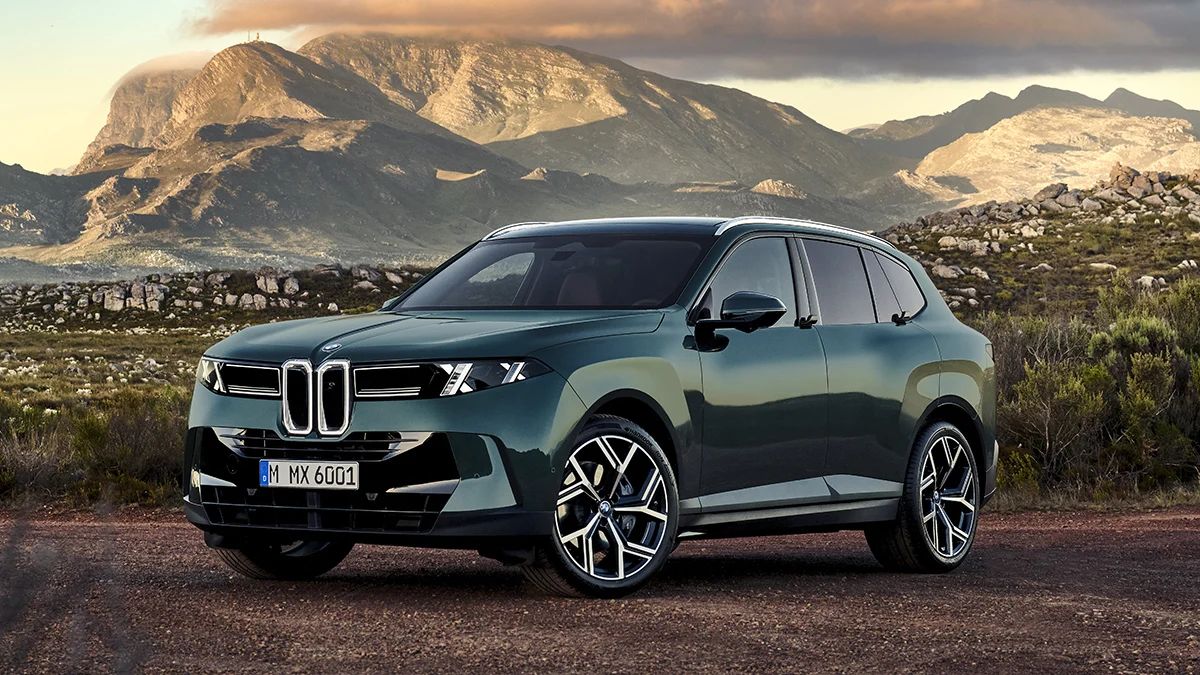
The BMW X5 has long stood as the gold standard for the luxury mid-size SUV segment. Since its debut in 1999, the vehicle has been a consistent best-seller for the Bavarian automaker, defining the "Sport Activity Vehicle" (SAV) category with a blend of road-holding performance and premium utility. However, in the automotive industry, being a best-seller is often a recipe for stagnation. For the 2027 model year, BMW has defied the urge to simply refine the formula, opting instead for a complete, ground-up transformation.
Unveiled this Wednesday, the fifth-generation X5 represents a bold leap into the brand’s second "Neue Klasse" era. By aligning the X5’s design language with the futuristic aesthetics of the 3 Series, the upcoming X3, and the refreshed 7 Series, BMW is signaling a definitive shift in its design philosophy.
The Architecture of Change: Design and Proportions
While the footprint of the 2027 X5 remains remarkably similar to its predecessor, the vehicle’s visual presence is entirely new. BMW’s design team has moved away from the somewhat conservative lines of the fourth generation, favoring dramatic, sculpted body panels that suggest a more athletic stance.
The most striking change occurs at the front fascia. Following the lead of the X3, the X5 now features narrow, vertically oriented kidney grilles that emphasize height and verticality. This is flanked by an entirely new lighting signature: double-X-shaped headlights that provide a piercing, modern aesthetic. These elements are complemented by cleaner surfacing along the side profile, accented by new flush-mounted "winged" door handles.

Perhaps the most significant departure for loyalists is the rear cargo area. Since its inception, the X5 has been characterized by a two-piece, clamshell-style liftgate—a feature that served as a hallmark of the model’s utility. In a move that prioritizes streamlined aerodynamics and modern manufacturing, the 2027 model transitions to a traditional one-piece liftgate. While this may ruffle the feathers of those who enjoyed the split-gate’s seating utility, the change allows for a more integrated, sleek rear profile that improves the SUV’s drag coefficient.
A Digital Sanctuary: The Interior Overhaul
Stepping inside the 2027 X5 is akin to entering a command center from the future. Drawing heavy inspiration from the flagship 7 Series, the cabin has been completely reimagined to center around the "Panoramic iDrive" display. This massive, curved glass interface spans the base of the windshield from A-pillar to A-pillar, effectively turning the entire dashboard into a hub of information and connectivity.
The driver is greeted by a 17.9-inch infotainment touchscreen, which serves as the primary gateway to BMW’s latest software ecosystem. In a bid to enhance the passenger experience, BMW is also offering an optional 14.6-inch passenger screen, allowing front-seat occupants to curate their own media or navigation settings without distracting the driver.
Despite maintaining a similar exterior footprint to the outgoing model, the packaging efficiency of the new platform has yielded dividends for rear-seat passengers. Legroom has been incrementally increased, and the standard inclusion of a massive panoramic sunroof makes the cabin feel significantly more airy and spacious. The materials, as expected from the German marque, utilize a mix of sustainable, high-end textiles and premium leathers, emphasizing a shift toward "responsible luxury."

A Chronology of Success: From 1999 to the Neue Klasse
To understand the weight of these changes, one must look at the historical trajectory of the X5.
- 1999: The original E53 X5 is launched, effectively creating the luxury performance SUV segment.
- 2006: The second-generation E70 introduces a larger footprint and advanced electronic driving aids, cementing the X5’s reputation as a "driver’s car."
- 2013: The F15 third generation brings increased luxury and the introduction of plug-in hybrid technology to the lineup.
- 2018: The G05 fourth generation introduces the most sophisticated chassis technology to date, refining the balance between comfort and sport.
- 2027: The fifth generation marks the "Neue Klasse" shift, transitioning the X5 into a platform capable of handling internal combustion, plug-in hybrid, hydrogen, and full-electric powertrains.
This evolution tracks the shift in the global automotive market, moving from gas-guzzling performance to the current multi-pronged strategy of electrification and alternative fuels.
Power and Performance: A Five-Pillar Strategy
BMW’s strategy for the 2027 X5 is built on the concept of "power of choice." The vehicle is designed to accommodate five distinct powertrain configurations, though not all will be available in every market.
The Launch Lineup (United States)
- X5 40 (RWD/AWD): The entry-level model features a 3.0-liter turbocharged flat-six engine. Producing 394 hp and 428 ft-lbs of torque, it remains the benchmark for the standard luxury SUV experience.
- X5 50e xDrive (AWD): For those seeking a bridge to electrification, this plug-in hybrid pairs the 3.0-liter flat-six with a potent electric motor, delivering a combined 489 hp and 516 ft-lbs of torque.
- iX5 60 xDrive (EV): The star of the lineup, this represents the first full-electric version of the X5. With a dual-motor setup, it outputs 578 hp and 593 ft-lbs of torque. Most impressively, the iX5 is estimated to offer a range of approximately 435 miles on a single charge, addressing "range anxiety" for the premium buyer.
Looking toward the horizon, BMW has also confirmed plans for a diesel variant in international markets and a hydrogen fuel-cell model. The latter, developed in collaboration with Toyota, is expected to debut in 2028, showcasing BMW’s commitment to exploring hydrogen as a viable long-term solution for larger vehicles.

Economic Implications and Market Positioning
The automotive market is currently navigating a period of high volatility, with consumers oscillating between demand for EVs and a lingering reliance on high-performance combustion engines. By offering the X5 with such a diverse array of power options, BMW is hedging its bets.
The pricing strategy reflects the premium nature of this new tech-heavy platform:
- X5 40: Starting at $71,250.
- X5 50e xDrive: Starting at $78,950.
- iX5 60 xDrive: Starting at $81,250.
These price points position the X5 squarely against competitors like the Mercedes-Benz GLE and the Audi Q7, while the iX5 variant aims to peel away customers currently looking at the Rivian R1S or the Tesla Model X.
Analysts suggest that the success of the 2027 X5 will hinge on the reliability of the new iDrive system. As BMW leans further into software-defined vehicles, the user experience within the cabin is becoming as important as the horsepower under the hood. If the Panoramic iDrive system proves intuitive and bug-free, the X5 could set the new industry benchmark for cabin technology.

Official Perspectives and Future Outlook
While BMW has remained tight-lipped regarding specific sales targets, executives have noted that the X5 remains the "heart of the brand." In an official statement, the company emphasized that the 2027 refresh was not just about aesthetics, but about "future-proofing" the nameplate.
"The X5 has always been a vessel for our most advanced engineering," a company spokesperson stated. "With the 2027 model, we are not just responding to the market of today; we are building the infrastructure for the next decade of mobility."
As deliveries are slated to begin in October, the industry will be watching closely. The shift to a one-piece liftgate, the reliance on massive digital screens, and the move toward a full-electric variant are all risks—but for a brand that has successfully led the segment for over 25 years, it is a calculated gamble. The 2027 BMW X5 is more than just a new model; it is a declaration of intent, proving that even a market leader must be willing to reinvent itself to stay ahead of the curve.
 Evan Lee Salim
 Asep Darmawan
 Laily UPN
