

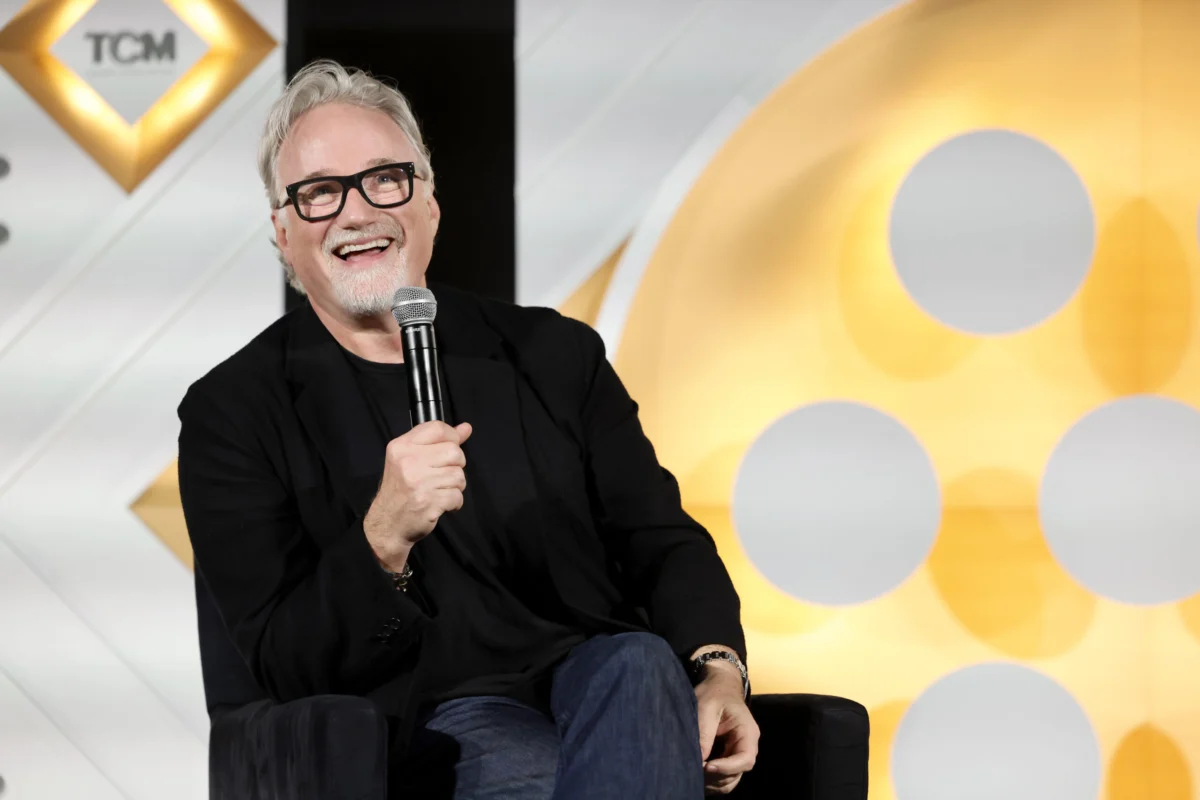
For a golden seven-year stretch between the late 2000s and the early 2010s, David Fincher stood as the undisputed titan of contemporary American cinema. He was the rare auteur who possessed the technical precision of a traditionalist, the visionary foresight to embrace the nascent digital revolution, and a commercial sensibility that turned dark, pulpy, and complex narratives into cultural touchstones. With a legendary run that included Zodiac (2007), The Social Network (2010), and Gone Girl (2014), Fincher occupied a rarefied space in Hollywood: he was a perennial Oscar contender who could consistently deliver substantive, adult-oriented films that audiences actually wanted to see.
Then, he ventured into the great unknown of the streaming age.
Recent reports, first surfacing via Bloomberg, have confirmed that David Fincher will not be renewing his landmark deal with Netflix when it expires in 2027. This departure, following the release of his upcoming feature The Further Mis-Adventures of Cliff Booth, marks the end of a pivotal decade-long partnership that fundamentally reshaped how the industry views prestige television and streaming-exclusive cinema. As the dust settles on this creative marriage, it is time to examine what this exit means for the future of the auteur in the streaming landscape.
The Genesis: A Pioneer of the Bingeing Model
To understand the weight of this departure, one must look back to the inception of the Netflix-Fincher alliance. When Fincher partnered with the streamer to produce and direct the pilot episodes of House of Cards, the project served as the “Big Bang” for Netflix’s prestige ambitions. It was the first original series to prove that the bingeing model was not just a novelty, but a viable future for high-end storytelling.

Netflix afforded Fincher unprecedented creative latitude—a massive budget and a two-season order before a single frame of the pilot had been shot. For an industry veteran accustomed to the rigid hierarchies and constant note-giving of traditional studio heads, the deal was a breath of fresh air. Fincher famously compared his experience at early-era Netflix to the freedom enjoyed by directors at Warner Bros. during the 1970s—a “no questions asked” environment that prioritized the artistic vision over the bottom-line interference of middle management.
Chronology: From ‘House of Cards’ to ‘Cliff Booth’
The trajectory of Fincher’s decade at Netflix has been marked by ambition, experimentation, and a steady retreat from the traditional theatrical model.
- 2013: House of Cards premieres, cementing Netflix as a legitimate rival to HBO and the standard-bearer for prestige streaming TV.
- 2017: The proposed World War Z sequel, which Fincher was attached to direct, collapses due to budgetary concerns and studio hesitation, signaling the end of his traditional theatrical pipeline.
- 2017–2019: Mindhunter arrives on Netflix. Despite critical acclaim and a massive, devoted following—eventually ranking as one of the best shows of the 21st century in various critics’ polls—the series remains in indefinite limbo due to the prohibitive costs of its meticulous period-accurate production.
- 2020: Mank, a passion project years in the making, is released to critical praise, winning two Academy Awards and securing Best Picture and Best Director nominations.
- 2023: The Killer, a stark, moody, and experimental character study, debuts on the platform, reinforcing Fincher’s interest in smaller-scale, non-blockbuster narratives.
- 2027: The expiration of his Netflix deal, coinciding with the release of The Further Mis-Adventures of Cliff Booth.
Supporting Data: By the Numbers
While critics often lament that Fincher’s Netflix-era output lacks the cultural ubiquity of his earlier theatrical classics, the data tells a more nuanced story. The Killer, for instance, was frequently dismissed by some as a "minor" work in his filmography. Yet, the film maintained a presence on Netflix’s Global Top 10 for four consecutive weeks.
Furthermore, according to Netflix’s What We Watched engagement report covering the first half of 2024, the film continued to pull in over 12 million viewers—a testament to the long-tail consumption habits unique to the streaming model. While these numbers don’t mirror the box-office records of Gone Girl, they represent a level of sustained interest that justifies the streamer’s initial investment in auteurs.

The Shifting Sands of Executive Strategy
The expiration of the Fincher-Netflix deal is not occurring in a vacuum. It follows a significant shift in leadership at Netflix, most notably the transition from the tenure of film chief Scott Stuber—who was famously aggressive in courting high-profile directors—to the current administration led by Dan Lin.
Lin, tasked with managing a massive, increasingly complex content machine, has been forced to navigate the perception that Netflix is pivoting toward a more populist, genre-focused, and fiscally conservative strategy. While the streamer continues to acquire high-profile, awards-worthy projects—evidenced by their recent acquisitions of Cannes darlings like La Bola Negra and Emilia Perez—the era of giving blank checks to auteurs to experiment with high-budget, mid-tier dramas may be drawing to a close.
Implications: The Future of the Auteur
The departure of Fincher, coupled with the exits of other high-profile creators like Noah Baumbach (who is moving his first-look deal to Warner Bros.) and Shawn Levy (transitioning his TV projects to Disney), suggests that the “streaming wars” have entered a new, more sober phase.
The Return of the Theatrical Window
Perhaps the most ironic outcome of the Fincher-Netflix era is the industry’s collective realization that theatrical exclusivity still carries immense cultural currency. Netflix itself has begun to pivot, scheduling The Further Mis-Adventures of Cliff Booth for a wide theatrical rollout this Thanksgiving before its digital debut. This move acknowledges that the "prestige" in prestige filmmaking is often forged in the darkness of a cinema, not just through an algorithm.

The "Fincher Era" Assessment
Has the last decade been a success? For the audience, the answer is a resounding yes. Fincher delivered Mank, a film that would have struggled to find financing at any major studio in the current economic climate. He pushed the boundaries of television with Mindhunter and Love, Death & Robots.
However, as Fincher leaves his long-term home, the narrative arc of his career remains in flux. While he won’t leave with the same consistent streak of theatrical hits that defined his mid-career, he has left behind an undeniable footprint on the streaming medium. Whether his next chapter involves a return to major studios or a new partnership with a different streamer, one thing is certain: the industry will be watching.
If his upcoming Tarantino-scripted project proves to be a critical and commercial triumph, it may retroactively alter the perception of his Netflix tenure, turning a "long pause" in his theatrical career into a bold, necessary detour in the evolution of a master filmmaker. The Fincher era at Netflix may be ending, but his influence on how we consume high-end, complex cinema is permanent.
 Asep Darmawan
 Azzam Bilal Chamdy
 Basiran
