

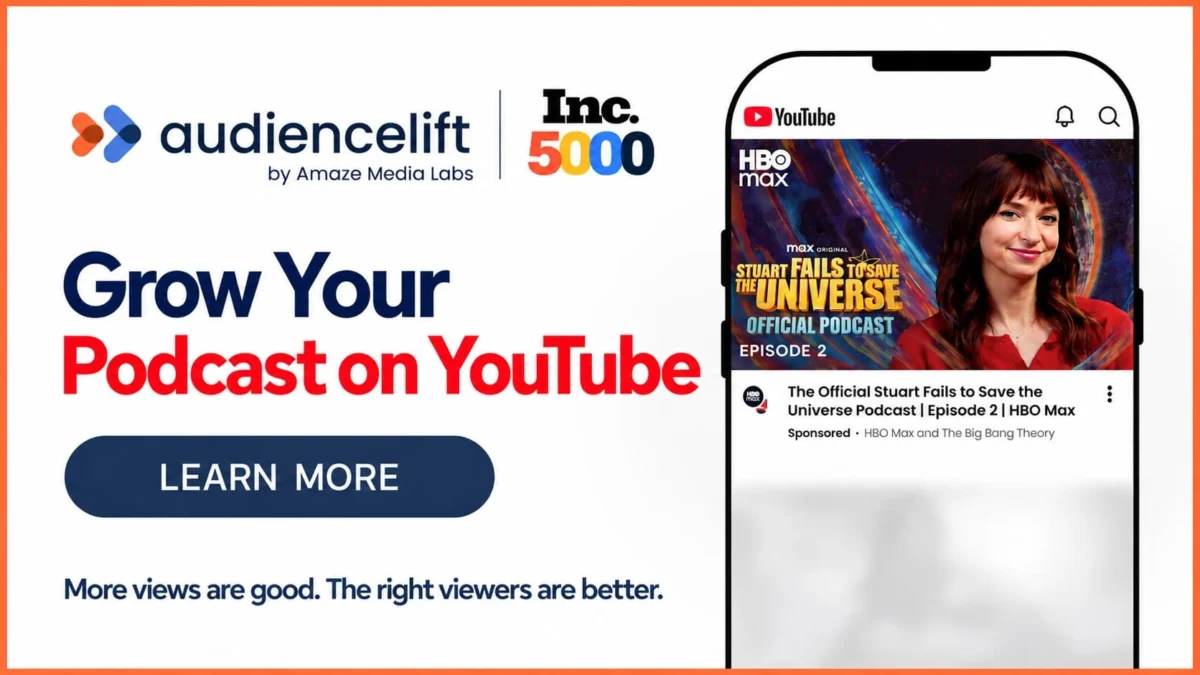
As the digital audio landscape shifts toward a video-first paradigm, the intersection of podcasting and video platforms has never been more critical. On September 25, 2026, industry watchers and creators alike turned their attention to the latest developments in YouTube’s ongoing effort to solidify its position as a primary podcast consumption hub. With the platform rolling out enhanced features designed to bridge the gap between long-form video content and the traditional podcast experience, the competition for listener attention—and creator loyalty—has intensified.
Main Facts: The New YouTube Paradigm
YouTube is no longer just a destination for music videos and tutorials; it is rapidly becoming the world’s most significant podcast player. The latest updates from the platform signal a move toward deeper integration, specifically targeting discoverability and audience retention.

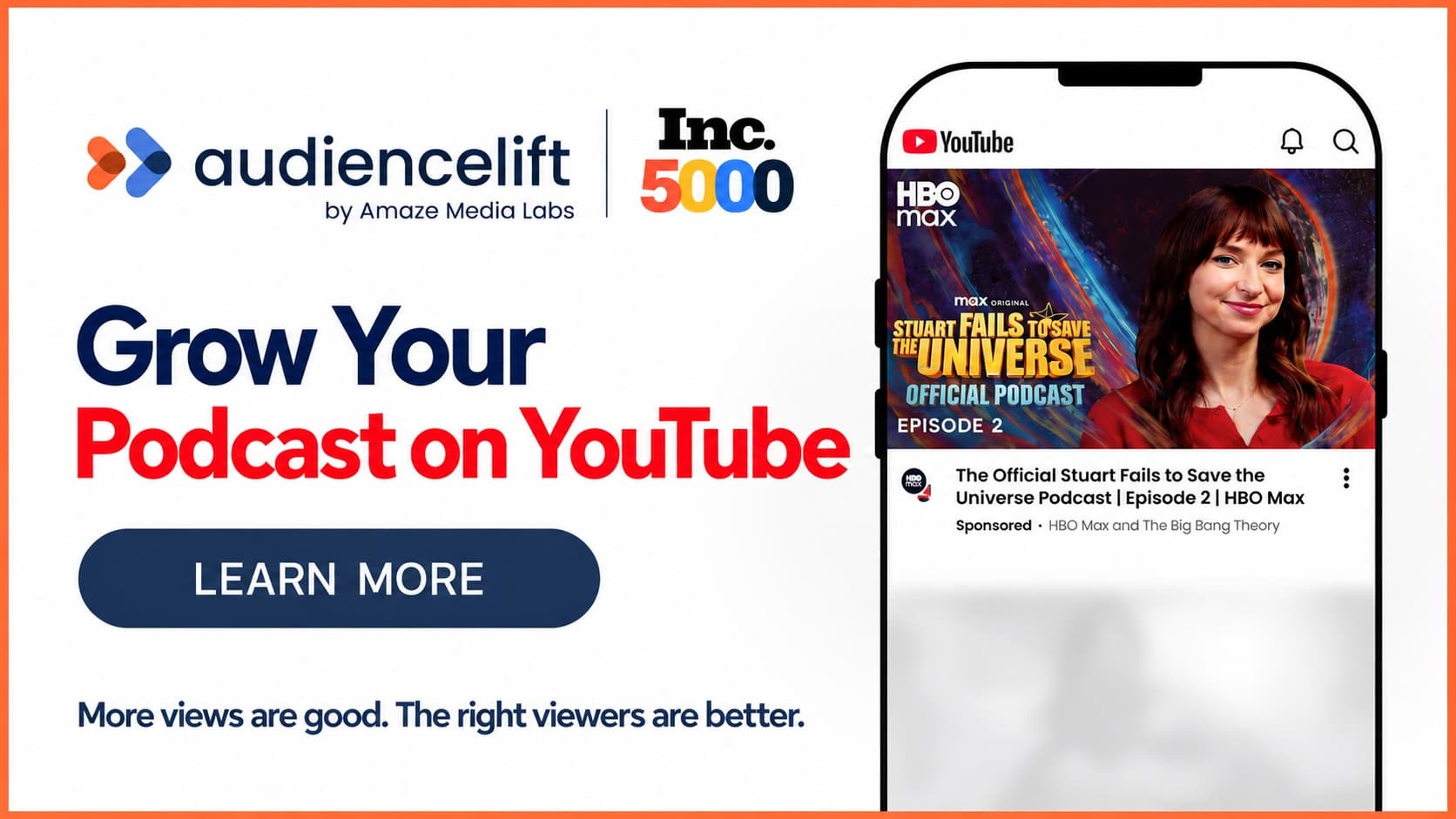
For creators, the core of this shift lies in the ability to treat podcast episodes not just as videos, but as discoverable assets within a massive, algorithm-driven ecosystem. By leveraging "official podcast test partner" programs, companies like Audiencelift are providing creators with the tools to navigate this transition. These campaigns focus on the three pillars of YouTube growth: increasing individual video views, maximizing total watch time, and driving sustainable subscriber growth.
The integration is seamless, with performance metrics available directly within YouTube Studio. This allows creators to pivot from guesswork to data-driven strategies, treating their podcast content with the same analytical rigor as top-tier YouTube creators.
A Chronological Look at the Evolution
The trajectory of podcasting on YouTube has been a steady climb, moving from "YouTube as a secondary host" to "YouTube as a primary engine."
- 2023–2024 (The Foundation): YouTube officially launched its dedicated podcasting destination in the US, allowing creators to designate video playlists as "podcasts." This provided the initial structure for better search indexing and recommendation algorithms.
- 2025 (The Integration): YouTube expanded RSS ingestion capabilities, allowing creators to host their audio-only content while maintaining the visual presence required for the platform’s feed.
- September 2026 (The Growth Phase): The current focus has shifted toward high-performance advertising and discovery. Tools are now available that allow for "turnkey campaign management," enabling even independent creators to run sophisticated growth campaigns that were previously reserved for major production houses.
Supporting Data: The Podcast Landscape
Current industry data highlights the dominance of the major platforms, even as YouTube carves out its unique niche. In the United States, established giants remain at the top of the charts:

- Apple Podcasts: Still holds the premier spot for traditional, episodic discovery, with hits like The Daily leading the US charts.
- Spotify: Continues to command the streaming market, with The Joe Rogan Experience maintaining its status as a cornerstone of the platform’s engagement strategy.
- Emerging Trends: The data from late September 2026 shows a fascinating trend in niche content. For example, Anglican Aesthetics emerged as the highest new entry in the Irish Religion category, while international interest in specific cultural and educational series—such as Greeking Out from National Geographic Kids—continues to perform exceptionally well in the UK.
These data points illustrate a fragmented but thriving market. While the "Big Two" (Apple and Spotify) fight for total listener count, YouTube is winning on "time spent," as the visual nature of the platform encourages longer sessions and deeper engagement with video-based podcasts.
Official Perspectives: The Role of Partners
The shift toward professionalizing YouTube podcasting is not happening in a vacuum. Partnerships between YouTube and third-party growth agencies are defining how creators succeed in this environment.

"Your podcast needs a YouTube growth strategy," note representatives from Audiencelift, an official YouTube partner. The prevailing industry sentiment is that the days of "upload and hope" are over. Creators are now expected to use the same tools as marketing professionals: targeted campaigns, demographic-based audience segmentation, and A/B testing for thumbnails and video intros.
The emphasis is on "turnkey" solutions. By automating the technical setup and targeting, these partnerships aim to lower the barrier to entry for high-quality audio producers who may lack expertise in video marketing.

Case Studies in Innovation
The current podcast landscape is marked by a diverse range of creative efforts, each utilizing the platform differently:
- Educational and Meditative: A Zen Mind Guided Meditations exemplifies the shift toward using audio for mental wellness, meeting listeners where they are—whether they are new to the practice or seasoned meditators.
- Investigative Journalism: The release of the five-part investigative series Separation Anxiety—which covers the Alberta referendum—demonstrates that podcasts on YouTube are increasingly becoming a destination for hard news and investigative reporting, not just personality-driven chat.
- Culinary History: Eating History (Season 2) uses the visual nature of the platform to explore complex culinary questions, such as the definition of a sandwich, proving that visual cues add a layer of engagement that pure audio lacks.
- Pop Culture and Biography: Famous and Gravy is currently using the anniversary of "9 to 5" (September 25) to launch a Dolly Parton special, illustrating how creators are syncing content with cultural moments to boost visibility.
Implications for the Future of Media
The implications of YouTube’s growth are profound for the entire audio industry.

1. The Death of the "Audio-Only" Standard
While the podcast industry was born as an audio-only medium, the expectation is rapidly shifting. Listeners increasingly demand a visual component, whether it’s a full multi-camera studio setup or high-quality motion graphics. Podcasts that fail to provide this "second screen" experience are finding it harder to compete for growth on algorithmic platforms.
2. The Algorithm as Editor
In the traditional RSS world, a new episode appeared in a feed. On YouTube, a new episode enters a competitive bidding war for the user’s attention against everything else on the site. This forces creators to focus more on "click-through rates" (CTR) and "average percentage viewed." This has led to the rise of the "short-form-to-long-form" pipeline, where snippets (YouTube Shorts) are used to pull viewers into the full, long-form podcast.

3. Monetization Shifts
As YouTube makes it easier to track performance within YouTube Studio, advertisers are becoming more comfortable with programmatic, automated buying across podcasts. This potentially threatens the traditional host-read ad model, which has been the bread and butter of the podcast industry for two decades. The move toward data-backed, targeted campaigns suggests that the industry is becoming more corporate, more measurable, and more scalable.
4. Barrier to Entry
While the technology for growth is more accessible, the effort required to succeed is higher. A creator today needs to be an audio engineer, a video producer, a social media manager, and a data analyst. This consolidation of roles may favor larger production networks, potentially making it harder for the "garage hobbyist" to gain the same level of reach as professionalized teams.

Conclusion: Adapting to the New Reality
The events of September 2026 confirm a permanent shift in the podcasting ecosystem. YouTube’s investment in the space is not merely a feature addition; it is an infrastructure play. For creators, the message is clear: the platforms of the past are being superseded by the visual-first discovery engines of the future.
Whether it is through strategic partnerships, investing in video production, or mastering the analytics of the YouTube Studio, the successful podcasters of tomorrow will be those who embrace the dual nature of modern media—where audio is the heart, but video is the lungs. As the industry continues to mature, those who can bridge this gap will define the next decade of digital storytelling. The tools are available, the strategy is defined, and the audience is waiting. The question for every creator now is not whether to be on YouTube, but how to lead on it.
 Sagoh
Sagoh
 Asep Darmawan
 rifanmuazin
