

Main Facts
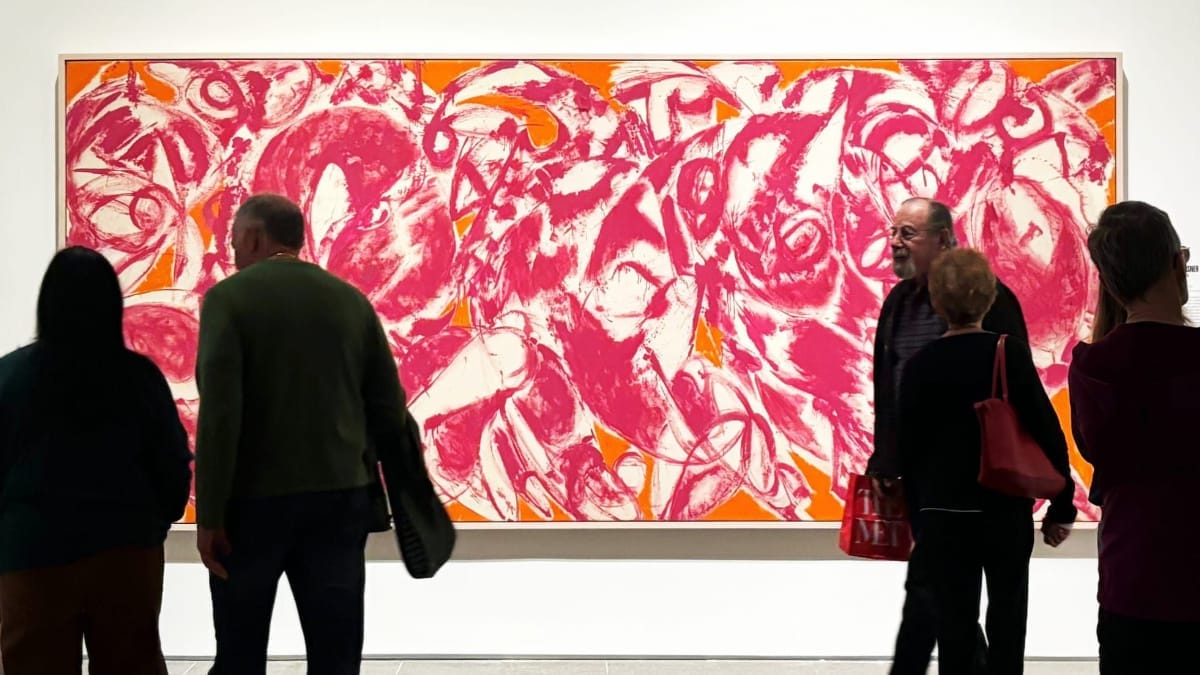
The cultural landscape is currently defined by a series of sharp contradictions—balancing institutional critiques, political interventions, and generational unrest. At the Metropolitan Museum of Art, a groundbreaking exhibition upends traditional art-historical narratives surrounding Lee Krasner and Jackson Pollock, as reviewed by critic Lucy Ives. Simultaneously, global headlines intersect with the arts: the European Parliament has installed a provocative, gilded nude statue mocking Donald Trump, and queer artists are raising alarms over the shifting institutional direction of the Tom of Finland Foundation.
In the literary and residency spaces, Yaddo President Elaina Richardson is stepping down after a transformative 26-year tenure, marking the end of an era for one of America’s most prominent artist colonies. Meanwhile, contemporary debates span from Tao Leigh Goffe’s critical re-examination of J.M.W. Turner’s legacy and the slave trade to street-level student uprisings in France, which mirror historical echoes of May 1968.

Chronology
- Mid-20th Century Legacy: The intertwined lives and artistic practices of Lee Krasner and Jackson Pollock establish a complex blueprint for modern abstract expressionism, later revisited by contemporary museum retrospectives.
- The 26-Year Leadership of Yaddo: Elaina Richardson steers the historic artists’ residency program through decades of cultural and financial shifts, culminating in her departure.
- Recent Weeks:
- Student protests erupt across France, drawing international media commentary and sparking cross-generational solidarity reminiscent of the historic May 1968 movements.
- The European Parliament unveils a gilded nude statue satirizing political figures, immediately sparking international debate regarding public art and institutional neutrality.
- Criticisms mount among queer artists regarding the trajectory and curatorial philosophy of the Tom of Finland Foundation.
- Current Week: Hyperallergic releases its weekly editorial dispatch, featuring Lucy Ives’s appraisal of the Met’s Krasner-Pollock exhibition, interviews with Algerian-French artist Kader Attia, and a lineup of global autumn art guides spanning New York, Los Angeles, and Europe.
Supporting Data
- Institutional Milestones: Elaina Richardson concludes nearly three decades (26 years) at the helm of Yaddo, overseeing residencies for hundreds of Pulitzer, MacArthur, and Nobel-winning creators.
- Exhibition Metrics: The Metropolitan Museum of Art’s Krasner-Pollock showcase draws major critical acclaim, re-evaluating the power dynamics of mid-century artistic partnerships.
- Geographic Scope of Current Cultural Coverage:
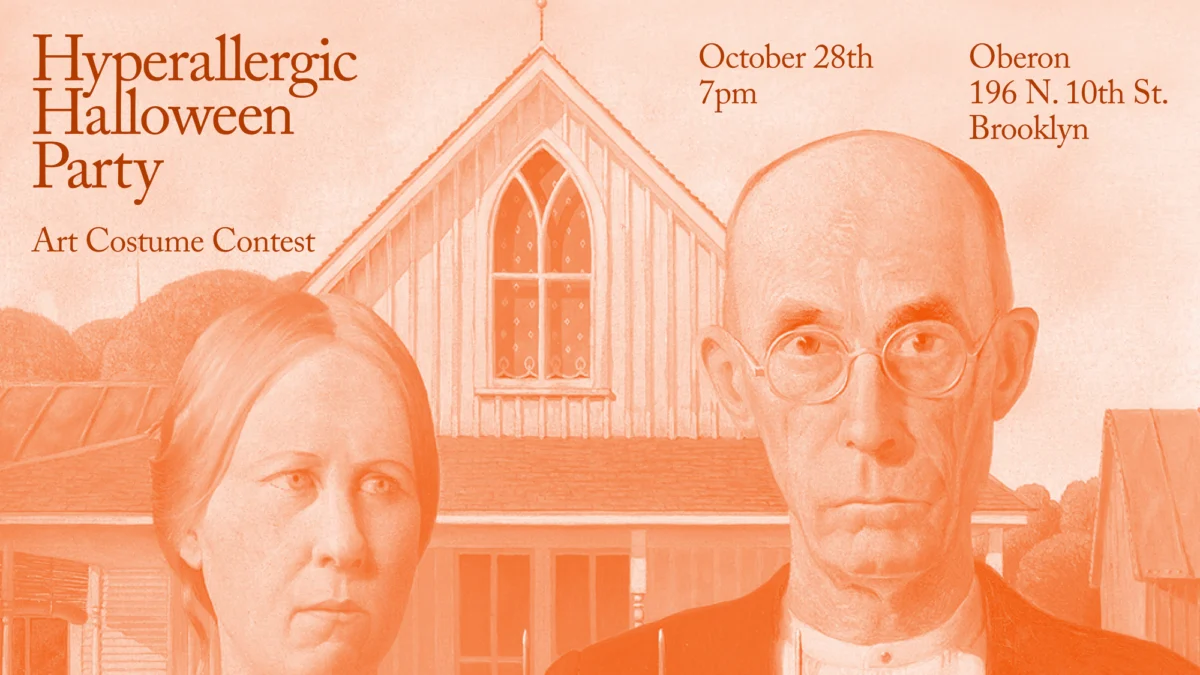
- New York: The Met, L train burlesque arrivals in Manhattan, and preparations for the annual Hyperallergic Halloween benefit in Brooklyn.
- Los Angeles: A curated guide highlighting 10 essential art shows for the autumn season.
- Europe: Student-led labor and welfare protests in France; political art installations within the European Parliament.
Official Responses and Critical Perspectives
The intersection of politics, institutional governance, and artistic integrity has elicited robust commentary from critics, artists, and cultural administrators:
- On Economic Policy vs. Social Welfare: Media narratives surrounding the French student protests have faced sharp pushback from cultural critics. While mainstream economic commentators argue that France’s "generous" pension and parental leave systems stifle market competitiveness, artists and independent observers view these safety nets as essential bulwarks against corporate erosion of human dignity.
- Kader Attia on Wounds and Resilience: In a recent interview in Manhattan, Algerian-French artist Kader Attia emphasized the necessity of cultural honesty. Discussing an upcoming exhibition in India, Attia urged creators to "wear your wounds on your sleeve," framing historical trauma and personal scars not as weaknesses, but as vital sources of aesthetic and political truth.
- The Tom of Finland Controversy: Queer artists have increasingly voiced concerns that the Tom of Finland Foundation—long a sanctuary for radical, counter-cultural queer expression—has drifted from its foundational mission, prompting broader discussions about the corporatization and sanitization of queer archives.
- Re-evaluating Romanticism: In academic and literary critique, scholars like Tao Leigh Goffe are forcing major cultural institutions to confront historical blind spots. Goffe’s analysis of "Turner and the Slave Trade" repositions Romantic landscape painting away from a pure appreciation of nature, reframing it as a vehicle intertwined with colonial expansion and exploitation.
Implications
The convergence of these events signals a profound ideological tug-of-war within contemporary arts and culture. As traditional institutions like Yaddo transition leadership and major museums re-contextualize the mythologies of mid-century masters like Krasner and Pollock, the art world is simultaneously forced to look outward at global socioeconomic strife.
The friction between institutional sanitization (as alleged by critics of the Tom of Finland Foundation) and radical political expression (demonstrated by student movements in France and provocative parliamentary art installations) highlights an urgent demand for authenticity. Artists, writers, and critics are increasingly rejecting neat, market-friendly narratives—turning instead to historical excavation, queer joy, and unvarnished vulnerability to make sense of a rapidly shifting geopolitical and cultural terrain.
 Layla Zulfa
 Neng Nana
