

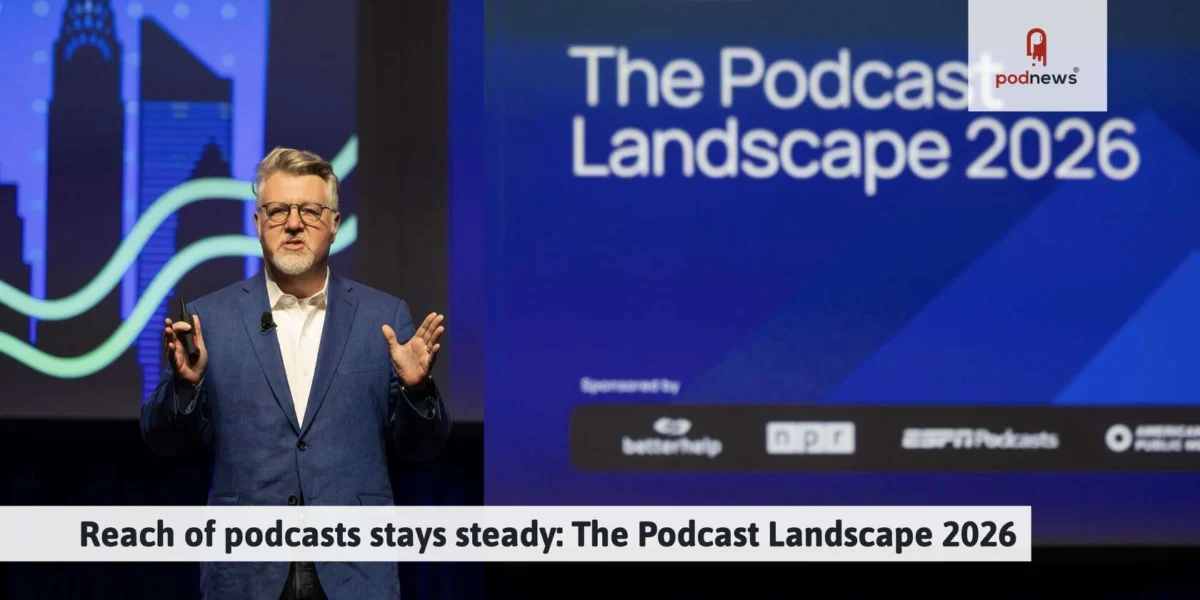
The podcasting landscape continues to evolve at a blistering pace, marked by a convergence of historical reverence, technological disruption, and professionalized content production. As the industry matures, creators and platforms are moving beyond the "experimental" phase of the medium, leaning heavily into data-driven development, niche community building, and high-production-value storytelling.
This report provides an in-depth analysis of the current state of the podcasting industry, examining the latest content trends, the shift in editorial strategies among major networks, and the prevailing data patterns defining the listener experience today.

Main Facts: A New Era of Specialized Audio
In the current media ecosystem, the definition of a "successful" podcast is shifting. No longer is success measured solely by broad, general-interest reach. Instead, the industry is seeing a surge in "impact-oriented" content—shows designed to facilitate professional growth, psychological well-being, or deep-dive historical analysis.
The latest industry updates reveal a robust commitment to diverse formats. From the high-concept storytelling of the BBC’s refreshed The Interface to the therapeutic, solution-focused framework of Teaching through Emotions, creators are increasingly prioritizing "utility" in their audio. This shift is mirrored by the growth of long-running daily shows, such as The Daily Quote, which hit a significant milestone of 1,000 episodes today, proving that consistent, bite-sized value remains a potent driver for listener retention.

Furthermore, the integration of brand-led podcasts—such as The HISTORY Channel’s This Day in History—demonstrates how legacy media brands are successfully leveraging historical archives to dominate the daily briefing space. By anchoring content to specific dates, these shows provide a reliable cadence for listeners, effectively capturing the "morning routine" market.
Chronology of Trends: From Experimentation to Execution
The development of the podcasting medium can be viewed through a clear, evolving timeline of production standards.

- Phase 1: The Grassroots Era. Early podcasting was defined by low-barrier-to-entry solo shows and hobbyist passion projects.
- Phase 2: The Network Aggregation Era. Large media entities began acquiring successful independent shows, leading to a consolidation of production resources and the professionalization of audio editing.
- Phase 3: The Current "Utility" Era. We are currently in a period where listeners demand more from their audio. Whether it is The Daily Bible Verse launching a structured 22-episode series, or You, Me and An Album evolving its format to invite deeper, more specific musical analysis, the trend is toward structured, purposeful content that respects the listener’s time.
Today, we see a focus on the "next chapter" of established shows. For example, You, Me and An Album recently marked its 250th episode by breaking its own conventions—inviting a guest to discuss a recently released album rather than a classic, signaling a shift toward real-time cultural relevance.
Supporting Data: The Power of Algorithmic Dominance
Understanding the current hierarchy of the podcasting world requires a look at the charts, which continue to be dominated by industry titans while providing interesting insights into niche performance.

Market Leaders
In the United States, The Daily (The New York Times) retains the #1 spot on Apple Podcasts, reinforcing the enduring demand for prestige news analysis. Simultaneously, The Joe Rogan Experience continues to hold the #1 position on Spotify, a testament to the platform’s focus on long-form, personality-driven content.
Emerging Trends in Global Markets
While the US market remains the most saturated, international metrics show intriguing volatility:

- Ireland: Up The Creek: A Jonathan Creek Podcast has demonstrated the highest growth in the "After Shows" category, suggesting that niche, fan-centric commentary on specific television series remains a potent entry point for new listeners.
- United Kingdom: The Turret: The Traitors Fan Podcast has debuted as the highest new entry in the "After Shows" category. This confirms that companion podcasts, which serve as a digital "water cooler" for fans of reality television, are currently among the most effective drivers of new listener acquisition.
These data points illustrate that while general-interest giants hold the top of the charts, the "long tail" of podcasting—niche, community-driven, and genre-specific content—is where the most significant audience growth is currently occurring.
Official Perspectives: Navigating the Intersection of Tech and Culture
As networks like the BBC refine their editorial focus, the industry is forced to reckon with the dual challenges of artificial intelligence and human connection. The recent relaunch of The Interface provides a blueprint for how legacy broadcasters are handling these tensions. By bringing on co-host Jessica Maddox alongside technology columnist Thomas Germain, the BBC is explicitly pivoting to address the "human" side of technological advancement.

Their mission statement is telling: “Under every story lies a bigger question about human behavior, identity, and connection in a world where technology influences everything.” This sentiment captures the current industry consensus—that even as AI tools streamline production and algorithmic distribution, the success of a podcast relies on the strength of its editorial voice and its ability to foster genuine empathy between the host and the audience.
Furthermore, the rise of "author-led" series, such as the Her Horrorween season from Ominous Thrill, highlights a commitment to diversity in storytelling. By centering women as both the authors and the subjects of the horror genre, the show is not just creating content; it is creating a specific, deliberate space for marginalized perspectives within a genre that has historically been dominated by male-led narratives.

Implications: The Future of the Podcast Ecosystem
As we look toward the remainder of the year, three major implications emerge for creators and advertisers alike:
1. The Rise of "Seasonal Architecture"
The success of 22-episode runs and 15-episode anthology seasons suggests that the "infinite podcast" model—where a show runs indefinitely without a clear narrative arc—is being challenged. Listeners are increasingly gravitating toward "eventized" audio. For producers, this means planning content with a clear beginning, middle, and end, which allows for more effective marketing and higher listener commitment.

2. The Professionalization of "After-Shows"
The data from the UK and Ireland confirms that television and media companion shows are not merely "supplemental content." They are primary discovery drivers. Platforms would do well to prioritize the discoverability of these companion shows, as they represent the most engaged segment of the listening population.
3. The "Humanity" Premium
In an age where AI-generated audio is becoming increasingly accessible, the value of authentic, human-centric storytelling is skyrocketing. Shows like Teaching through Emotions demonstrate that listeners are seeking professional guidance and psychological support from trusted, human-led sources. The "premium" in the future of podcasting will be the ability to provide a space where the listener feels seen, heard, and understood by another human being.

Final Thoughts
The podcasting industry is transitioning from a period of "quantity" to a period of "depth." As the barriers to entry decrease due to technology, the barriers to attention are increasing. Creators who succeed in this new environment will be those who can blend high-production value with a clear, specific editorial purpose. Whether through the lens of historical reflection, political critique, or emotional support, the future of the medium belongs to those who provide the most meaningful connection to their audience.
As we move forward, the focus will likely remain on refining these connections, leveraging data to understand listener needs without sacrificing the soul of the medium. For the casual listener and the industry professional alike, the coming months promise a deeper, more curated, and infinitely more interesting audio landscape.
 Azzam Bilal Chamdy
 Asep Darmawan
 rifanmuazin
