

A New Era for the Fourth World
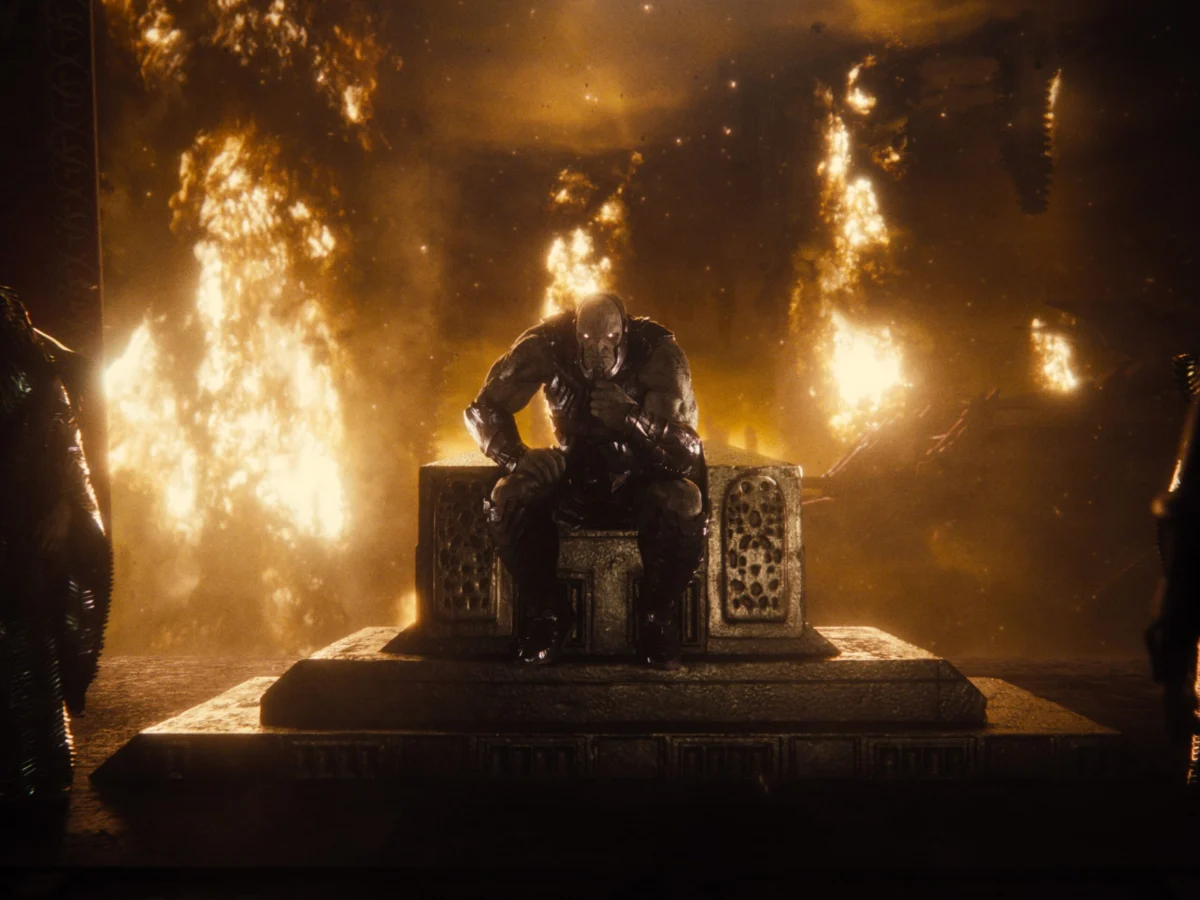
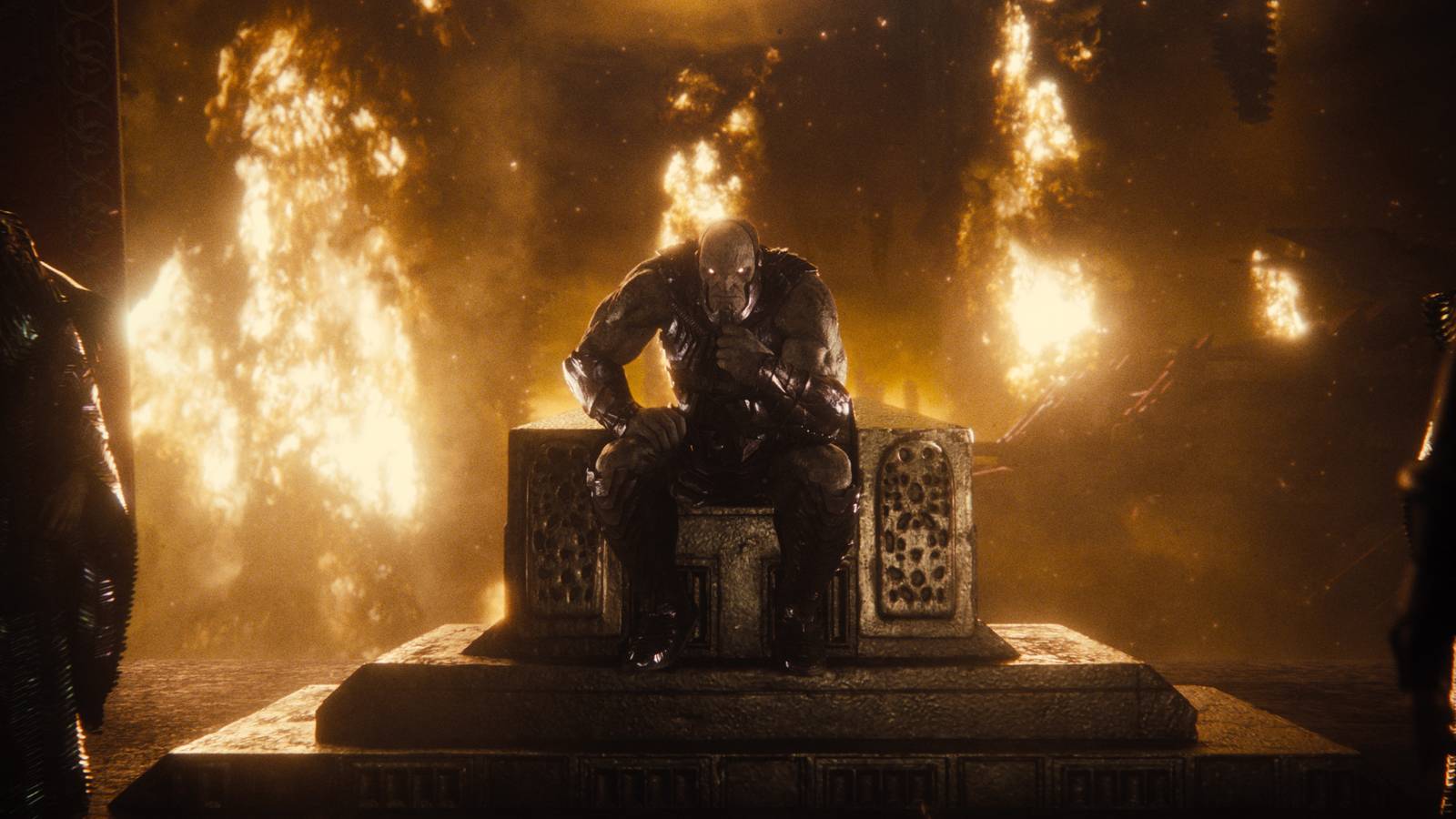
The DC Universe is set to expand into its most cosmic and existential territory yet. During the prestigious Annecy International Animation Film Festival, it was officially confirmed that the legendary villain Darkseid is making his return to the screen in a new, high-profile project: an adaptation of the critically acclaimed 2017 Mister Miracle comic book miniseries.
While Darkseid—the "God of Fascism" and ultimate nihilist—was previously teased in the Zack Snyder-led DC Extended Universe, this new venture signals a departure from past cinematic iterations. Under the guidance of DC Studios co-CEOs James Gunn and Peter Safran, this adaptation is set to be an animated prestige drama, moving away from the sprawling action-blockbuster format to focus on deep, character-driven storytelling. At the helm of this ambitious project is Tom King, the writer behind the original 2017 series, who will serve as both executive producer and showrunner.
Chronology of a Masterpiece: From Page to Screen
To understand the weight of this announcement, one must look at the source material. Jack Kirby, the visionary artist often called "The King" of comics, introduced the Fourth World and its pantheon of New Gods in the 1970s. These characters were Kirby’s most personal, experimental, and existential work—a medium through which he grappled with the horrors of war and the nature of divinity.
In 2017, Tom King took these foundational figures and stripped away the traditional superhero veneer. His Mister Miracle run was not merely a comic; it was a meditation on the trauma of being raised in a totalitarian hellscape. The story follows Scott Free, the son of the benevolent Highfather, who was traded to the tyrannical Darkseid as part of a peace pact. Raised in the pits of Apokolips, Scott eventually escaped, fleeing to Earth to live a life of relative normalcy alongside his wife, Big Barda.
The upcoming series will adapt this narrative trajectory, beginning with the stark, harrowing opening of the comic: Scott’s attempt to take his own life. From that point, the series will navigate the precarious balance between the mundane—Scott and Barda’s life in a Coast City suburb—and the grand, cosmic conflict of a brewing war between the worlds of New Genesis and Apokolips.
The Philosophical Core: Why This Story Matters
King has described the project as a "love letter to Jack Kirby," noting that the series aims to capture the specific energy Kirby brought to the medium. However, the adaptation is distinctly modern in its emotional resonance.
"It’s not a story about trauma, it’s a story about what happens after trauma," King told the audience at Annecy. "It’s a story about living again. It’s a love story between a husband and a wife, finding each other again, raising each other up again, and then using that power to fight in the cosmic war that Jack Kirby started."
By framing the series as a "prestige drama," the creative team is drawing comparisons to the golden age of cable television—specifically naming Mad Men and The Sopranos as stylistic benchmarks. This suggests a show that prioritizes dialogue, pacing, and psychological interiority over the constant spectacle that usually defines superhero animation.
Technical Prowess: The Power of Titmouse and Warner Bros.
The production has secured a formidable creative team. The series is currently in production with Warner Bros. Animation and the renowned studio Titmouse Paris. The latter is widely regarded as one of the most innovative animation houses in the industry, having recently delivered the breathtaking visual storytelling found in Scavenger’s Reign and the standout Love, Death & Robots short "How Zeke Got Religion."
The choice of Titmouse suggests a specific aesthetic direction. Given the surrealist nature of the Fourth World—the fire pits of Apokolips, the gleaming cities of New Genesis, and the nightmarish reality-bending of the Anti-Life Equation—the series will likely require a visual language that is distinct, perhaps leaning into the abstract, graphic, and occasionally disturbing imagery that defined the original Kirby designs.
Official Responses and Creative Vision
The decision to pursue an adaptation of Mister Miracle was not immediate. Tom King admitted that he was initially hesitant to revisit the story. However, he was eventually persuaded by James Gunn and Peter Safran, who saw in the material the potential to define the tone of the new, unified DC Universe.
"This is something very special to me, and not just special to me, but special to a particular audience of people who have gone through what Scott had gone through," King remarked. "For 10 years, I have been talking to fans about how much this book means to them, and there’s a lot of sort of responsibility in that book."

The casting process remains shrouded in mystery. While King confirmed that the character of Darkseid has been cast, he declined to reveal any names. Given the prestige nature of the project, industry observers expect high-caliber talent to fill the roles of Scott Free, Big Barda, and the various New Gods, as the emotional requirements of the script demand a level of performance rarely seen in voice-over work.
Implications for the DC Universe
The inclusion of Mister Miracle into the DC Universe slate has significant implications for how the franchise will handle its villains moving forward.
- De-centralizing the "Big Bad": While the DC Universe is launching with grounded, character-focused threats like Lex Luthor and Brainiac in Superman, the introduction of Darkseid via a prestige animated show indicates that the "cosmic" side of DC will exist in a parallel, high-concept space.
- Elevating Animation: By treating an animated show with the same weight and creative freedom as a live-action film, DC Studios is effectively erasing the stigma that animation is a "lesser" medium. This aligns with a broader industry trend where animation is increasingly being used for complex, mature storytelling.
- The Kirby Legacy: By explicitly tying the show to Jack Kirby’s original vision, the studio is positioning itself to honor its comic book roots while simultaneously iterating on them. This is a strategic move to satisfy long-time comic fans while creating a narrative entry point for new viewers.
Conclusion: Looking Toward the Future
As production continues, the anticipation surrounding Mister Miracle only grows. The series represents a bold gamble for Warner Bros. and DC Studios: a slow-burn, emotionally intense, and visually daring exploration of a character who is often secondary in the wider DC mythos.
By focusing on the "aftermath of trauma," the series promises to be more than just another superhero show; it aims to be a definitive statement on the human condition, reflected through the lens of gods and monsters. For fans of Tom King’s work, and for those who believe that the DC Universe is at its best when it explores the weird, the cosmic, and the deeply personal, Mister Miracle is arguably the most essential project on the horizon.
While we await further news on the cast and a premiere date, one thing is certain: the shadow of Darkseid has returned, but this time, the focus is not on his conquest of the world, but on the man who escaped his throne.
 Basiran
 Suro Senen
