

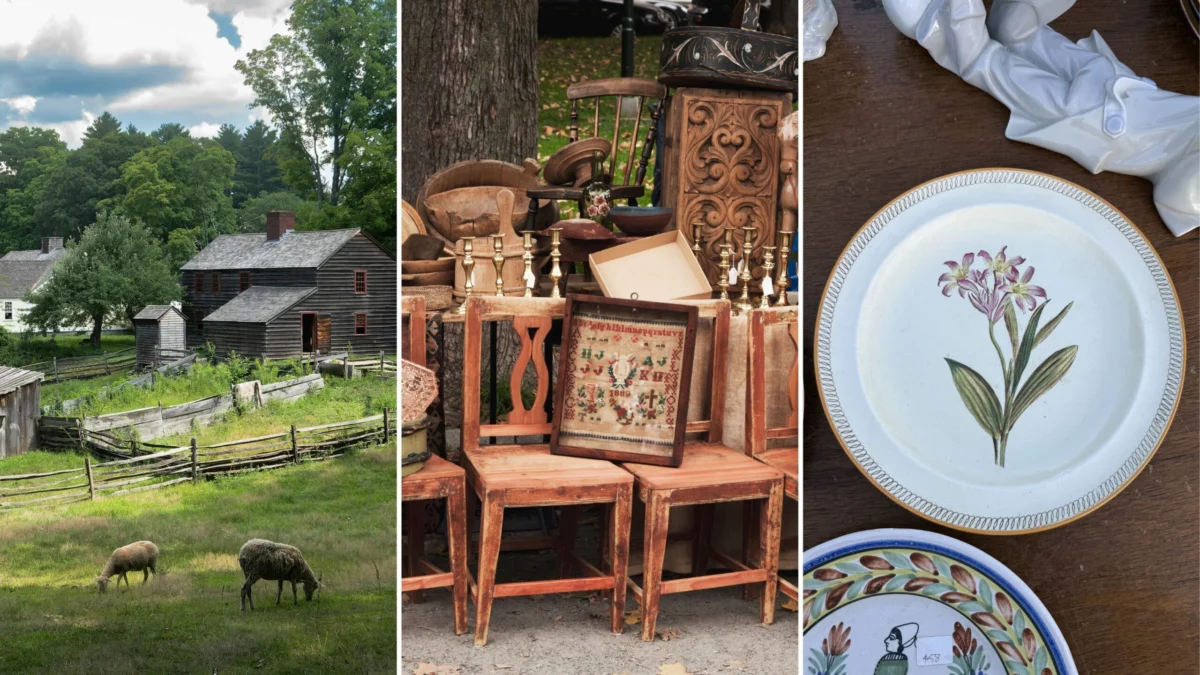
For those who view interior design not as a series of catalog purchases but as a curated collection of history, there is no pilgrimage quite as essential as the trek to Brimfield, Massachusetts. Located along a sprawling, mile-long stretch of Route 20, the Brimfield Antique Flea Market is more than a bazaar—it is a cultural phenomenon. Spanning over 150 acres and hosting thousands of vendors, it represents the apex of American antiquing.
Whether you are a seasoned “picker” scouting for Ralph Lauren, an interior designer sourcing for high-end hospitality projects, or a weekend enthusiast hoping to find a singular piece of folk art, Brimfield offers a sensory overload of rust, wood, porcelain, and potential.
Main Facts: The Anatomy of a Mega-Market
Established in 1959 by auctioneer Gordon Reid, the market has evolved from a small gathering of dealers into the largest outdoor antique show in the United States. Today, the event occurs three times annually—in May, July, and September—drawing crowds exceeding 50,000 people per show.

The logistics are as massive as the inventory. The market is comprised of over 20 individually owned and operated fields, each with its own personality and schedule. While the geographical footprint is intimidating, the draw is singular: the chance to uncover treasures ranging from 19th-century ironstone and Eames lounge chairs to vintage L.L. Bean totes and rare industrial tools.
A Chronological Guide to the Brimfield Experience
Navigating Brimfield is an exercise in strategic patience. Because the market runs for six days (Tuesday through Sunday), the timing of your arrival dictates the nature of your experience.
The Professional Window (Tuesday–Thursday)
If your goal is to source rare inventory or beat the crowds to the most coveted items, the earlier days are essential. Dealers often arrive early in the week, and the "fresh" inventory—items that haven’t been picked over—is at its peak. This is when the serious trade happens, and the atmosphere is one of focused, high-stakes commerce.

The Collector’s Sweet Spot (Friday–Saturday)
By mid-week, the initial rush has subsided, allowing for a more meditative browse. The inventory is still vast, but the pressure to secure items immediately is slightly reduced. This period is ideal for those who prefer to engage with dealers and ask questions about the provenance of their goods.
The "Deal-Maker" Finale (Sunday)
As the final day approaches, the psychology of the market shifts. Dealers, faced with the prospect of packing up their remaining inventory, become significantly more flexible on pricing. If your priority is budget over exclusivity, Sunday is your day. As Alexander Widener, owner of the Maine-based interior shop Widener Company, notes, "No one wants to take their stuff home. If you want the best deals, wait for the weekend."
Supporting Data: The Logistics of Success
To survive—and thrive—at Brimfield, one must treat the trip like an expedition.

Transportation and Accessibility
Brimfield is approximately one hour from Boston and three hours from New York City. Because public transit options are virtually non-existent for the volume of goods most shoppers intend to haul, driving is mandatory. Many frequenters arrive in SUVs or even rental U-Hauls to accommodate their finds.
Accommodations
The town of Brimfield itself is sleepy during the off-season, meaning housing options are limited. Proactive planning is vital. Visitors are encouraged to book local bed-and-breakfasts, such as the historic Publick House in Sturbridge, at least several weeks—if not months—in advance. For those unable to secure local lodging, towns like Chicopee offer suitable alternatives within a 30-45 minute driving radius.
Field Dynamics
Not all fields are created equal. Heart of the Mart is widely regarded as a premiere destination, consistently drawing over 500 exhibitors on Wednesday mornings. However, seasoned veterans agree that there is no single field that satisfies every aesthetic. The best strategy is to consult the official Brimfield website, identify the fields that align with your specific interests, and prepare to move between them throughout the day.

Expert Insight: Conversations with the Trade
Alexander Widener, who has been sourcing from Brimfield for half a decade, emphasizes that the true value of the market lies in the human element. "Shopping is great, but the people-watching is almost better," he explains.
Widener’s approach to the market is rooted in respect for the history of the objects. When asked about the common practice of aggressive haggling—where buyers point out flaws to diminish value—Widener suggests a more collaborative approach. "These dealers care about these objects and are invested in preserving history. If you approach them with genuine interest and transparency—stating your budget clearly—you are far more likely to build a rapport that results in a fair deal."
Implications: The Ethics and Art of the Hunt
The experience of antiquing at Brimfield holds broader implications for modern consumerism. In an era of fast furniture and mass-produced home decor, the market serves as a counter-narrative. It reminds us that objects have lives, stories, and enduring utility.

The "Rain" Factor
One of the most counter-intuitive tips for the Brimfield attendee is to embrace inclement weather. When the skies open and the fields turn to mud, the casual crowds vanish, leaving the most dedicated collectors to work the tents. Widener notes that the best deals are often made under the cover of rain. "It keeps the fair-weather shoppers away, which creates an opening for those willing to endure the elements."
The "Don’t Hesitate" Rule
Perhaps the most important piece of advice regarding Brimfield is to trust your instincts. The sheer turnover of inventory means that a piece you admire at 9:00 a.m. will almost certainly be gone by noon. While it is important to be mindful of your budget, the regret of a missed find is far more persistent than the minor discomfort of an impulse buy.
Practical Tips for the Modern Picker
To ensure your experience is as efficient as it is enjoyable, consider these essential preparations:

- Dress for the Elements: Brimfield is a test of endurance. Wear waterproof footwear—Blundstones or heavy-duty garden clogs are standard—and dress in layers. The weather is notoriously fickle, swinging from chilly mornings to sweltering afternoons.
- Park with Purpose: Spend the extra $10 to $20 to park in a lot close to the center of the action. You will need quick access to your vehicle to deposit heavy hauls or to take a quick, air-conditioned reprieve from the summer sun.
- Hydrate and Refuel: The fair food is part of the charm. While you won’t find fine dining, the lemonade trucks are legendary. Pro-tip: Buy the souvenir cup and hold onto it; many vendors offer half-price refills for returning customers.
- Bring a Crew, But Manage Them: Traveling with friends or family is helpful for getting second opinions, but be wary of "competitive shopping." If your group has similar tastes, it is often best to split up to avoid fighting over the same items.
- Research, But Don’t Over-Plan: While familiarizing yourself with the field maps is helpful, don’t try to force a rigid itinerary. The magic of Brimfield is found in the accidental discovery—the single-stitch T-shirt or the rare, rusted harmonica you didn’t know you needed.
Conclusion: The Long-Term Value of the Experience
Ultimately, the success of a trip to Brimfield is not measured solely by the contents of your trunk. It is about the "hunt"—the thrill of the find and the connection to a community of like-minded enthusiasts.
As Widener notes, "Antique dealers get a bad rap as people trying to pull one over on you, but most of them are simply curators of history. They want to get people interested in the past." By participating in the Brimfield Antique Flea Market, you aren’t just buying furniture or decor; you are contributing to a long tradition of stewardship. Whether you walk away with a museum-worthy portrait or a simple set of wooden spoons, you are leaving with a piece of a larger story. Embrace the chaos, respect the vendors, and enjoy the hunt. After all, the best finds aren’t the ones you plan for—they’re the ones that find you.
 Asro
Asro
 Siti Muinah
