

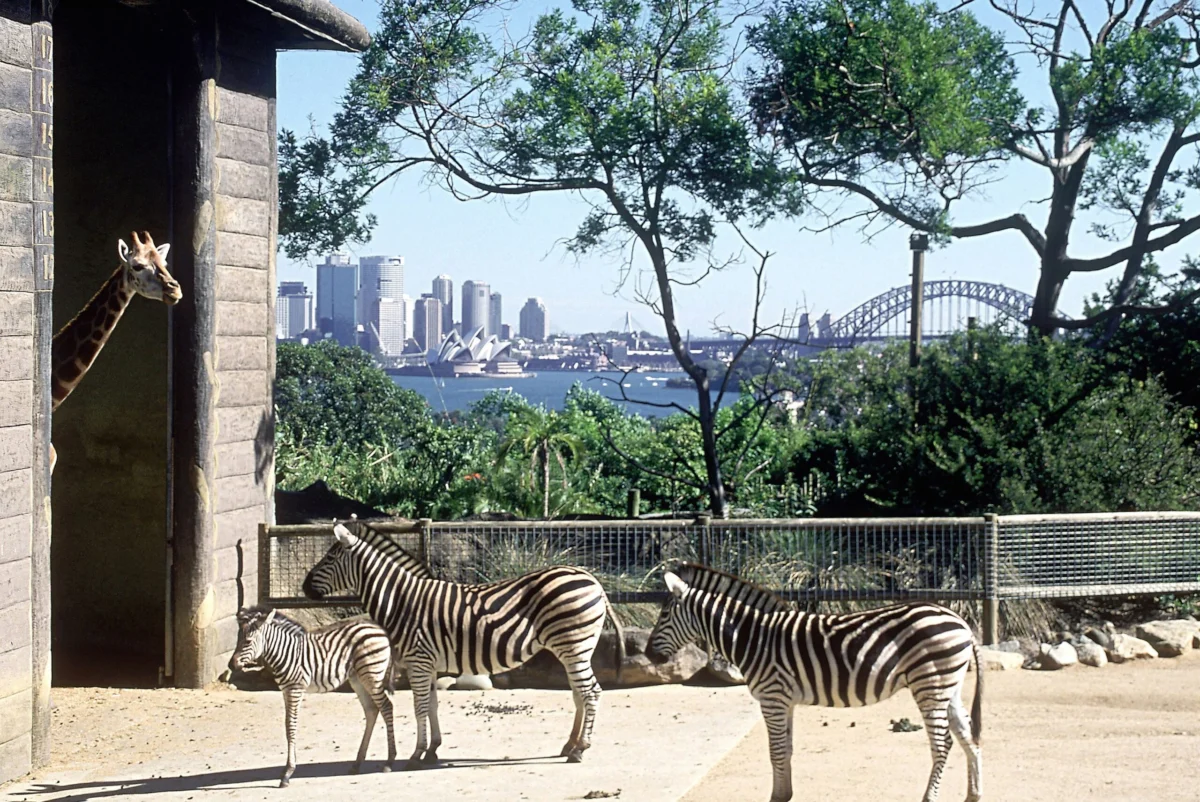
For decades, the concept of the American zoo has undergone a radical metamorphosis. What was once viewed primarily as a collection of curiosity-inducing animal enclosures has evolved into a vital network of scientific research, habitat restoration, and global conservation hubs. Far from being simple attractions for family weekend outings, the modern zoo serves as a critical frontline defense against the accelerating loss of biodiversity.
Whether you are a wildlife enthusiast, a student of ecology, or simply a traveler looking to connect with the natural world, the best zoos in the United States offer profound insights into the planet’s fragility and resilience. This report examines the top ten institutions that are redefining the role of the zoological garden in the 21st century.

The Evolution of the Modern Zoological Institution
The transition from "menagerie" to "conservation center" is not merely a branding shift; it is an operational overhaul. Today’s premier zoos operate under the rigorous accreditation standards of the Association of Zoos and Aquariums (AZA). These standards mandate strict animal welfare protocols, significant investment in field conservation, and a commitment to public education.
The leading zoos today act as "arks" for endangered species, housing populations that serve as genetic insurance against extinction. Furthermore, their reach extends far beyond their physical borders, as these institutions funnel millions of dollars into habitat restoration projects in regions as diverse as the Amazon River basin, the grasslands of the Great Plains, and the coral reefs of the Pacific.

Supporting Data: The Impact of Conservation Science
The efficacy of these institutions can be measured in both tangible and intangible ways. According to data provided by the AZA, its member institutions collectively contribute more than $230 million annually to field conservation projects. This funding supports over 2,500 conservation projects in more than 130 countries.
Key Performance Indicators for Modern Zoos:
- Species Survival Plans (SSPs): Collaborative programs that manage the breeding of species in captivity to ensure genetic diversity.
- Reintroduction Success: Programs that successfully return captive-bred individuals to the wild (e.g., the California Condor and the Black-Footed Ferret).
- Public Education Outreach: Over 180 million visitors pass through AZA-accredited facilities annually, providing a unique platform for conservation messaging.
The Top 10 Institutions: A Chronology of Excellence
While the history of these institutions spans over a century, their modern identities have been shaped by recent decades of intensive scientific investment.

1. The San Diego Zoo, California
Widely regarded as the gold standard, the San Diego Zoo is a global leader in cryopreservation and genetic research. Its "Frozen Zoo" houses the largest collection of genetic material from endangered species in the world, ensuring that even if a species goes extinct in the wild, the blueprint for its biology remains preserved for future generations.
2. The San Antonio Zoo, Texas
Beyond its charming public exhibits, the San Antonio Zoo is a powerhouse of international collaboration. Its recent work with indigenous groups in the Amazon River basin has been lauded for bridging the gap between local traditional knowledge and Western conservation science, ensuring that restoration efforts are sustainable and culturally sensitive.

3. The Bronx Zoo, New York
As part of the Wildlife Conservation Society, the Bronx Zoo has been at the forefront of urban conservation. It provides a blueprint for how massive metropolitan zoos can remain relevant and impactful, focusing on regional wildlife corridor protection and global advocacy.
4. Omaha’s Henry Doorly Zoo and Aquarium, Nebraska
This institution is famous for its massive indoor habitats, including the world’s largest indoor desert and the largest indoor rainforest. Beyond the spectacle, it houses a state-of-the-art Center for Conservation and Research, focusing heavily on reproductive biology and genetics.

5. Smithsonian National Zoological Park, Washington, D.C.
As the "Nation’s Zoo," it serves as the premier site for large-scale research on charismatic megafauna, most notably its iconic giant panda breeding program, which has served as a cornerstone of US-China diplomatic and scientific cooperation for over 50 years.
6. Columbus Zoo and Aquarium, Ohio
Under the long-term stewardship of its leadership, the Columbus Zoo has become one of the largest donors to conservation efforts worldwide. It demonstrates the power of a regional zoo to exert a global impact through consistent, high-level funding of field researchers.

7. Brookfield Zoo, Illinois
Renowned for its pioneering work in animal welfare and behavioral science, the Brookfield Zoo has shifted the paradigm of animal care, emphasizing the "choice-based" model, where animals are given agency over their environment, significantly reducing stress and increasing natural behaviors.
8. St. Louis Zoo, Missouri
The St. Louis Zoo is notable for its "Institute for Conservation Medicine," which studies the intersection of wildlife health, human health, and environmental health—a holistic approach known as the "One Health" movement.

9. Woodland Park Zoo, Seattle, Washington
A leader in urban conservation and community engagement, the Woodland Park Zoo has developed innovative programs to help city dwellers understand how their local environment impacts broader ecosystems, including the restoration of local wetlands.
10. Cheyenne Mountain Zoo, Colorado
Perched at a high altitude, this zoo is a world leader in giraffe conservation. Its unique location allows for specialized animal care programs and a deep integration with the local mountain ecosystem, setting a standard for smaller, specialized institutions.

Official Responses and Expert Perspectives
In interviews with conservation biologists, the consensus is clear: the role of the zoo is no longer optional; it is essential. Dr. Elena Vance, a lead researcher in zoological ethics, notes:
"We are living in an era of rapid biodiversity loss. The institutions that we once visited for entertainment are now the last line of defense. When we see a tiger or a rhino in a well-managed zoo, we are not just seeing an animal; we are seeing a survivor and a scientific subject. The data gathered from these animals informs how we save their cousins in the wild. Without this captive research, we would be flying blind in our conservation efforts."

However, the industry also faces criticism. Animal rights groups frequently advocate for the transition toward sanctuaries. In response, the AZA has doubled down on transparency, opening their facilities to independent audits and emphasizing that their primary mission is not the display of animals, but the preservation of species for the health of the planet.
Implications for Future Travelers
For the modern traveler, visiting a top-tier zoo is an opportunity to participate in the global conservation movement. When you purchase a ticket to these institutions, you are effectively subsidizing:

- Fieldwork: Funding researchers who are currently in the field protecting habitats from deforestation and poaching.
- Veterinary Innovation: Advancing medical technology that benefits both captive and wild animal populations.
- Environmental Policy: Supporting the lobbying efforts that protect endangered species on a federal and international level.
As we move further into the 21st century, the definition of a "good" zoo will continue to shift. Success will be measured not by the number of species on display, but by the number of species these institutions help recover in the wild.
How to Engage Responsibly
When planning your next visit, check if the zoo is AZA-accredited. This certification is a reliable signal that the institution adheres to the highest standards of care and is actively contributing to the scientific community. Look for "behind the scenes" tours that focus on conservation and research, rather than just entertainment. By engaging with the educational components of these visits, tourists can become active partners in the survival of our planet’s most iconic and endangered species.

In conclusion, the ten zoos listed here represent the best of what humanity can offer the natural world. They are laboratories, sanctuaries, and classrooms, all rolled into one. By supporting them, we are not just preserving the past—we are ensuring that future generations will live in a world that is still wild.
 Asro
Asro
 Siti Muinah
