

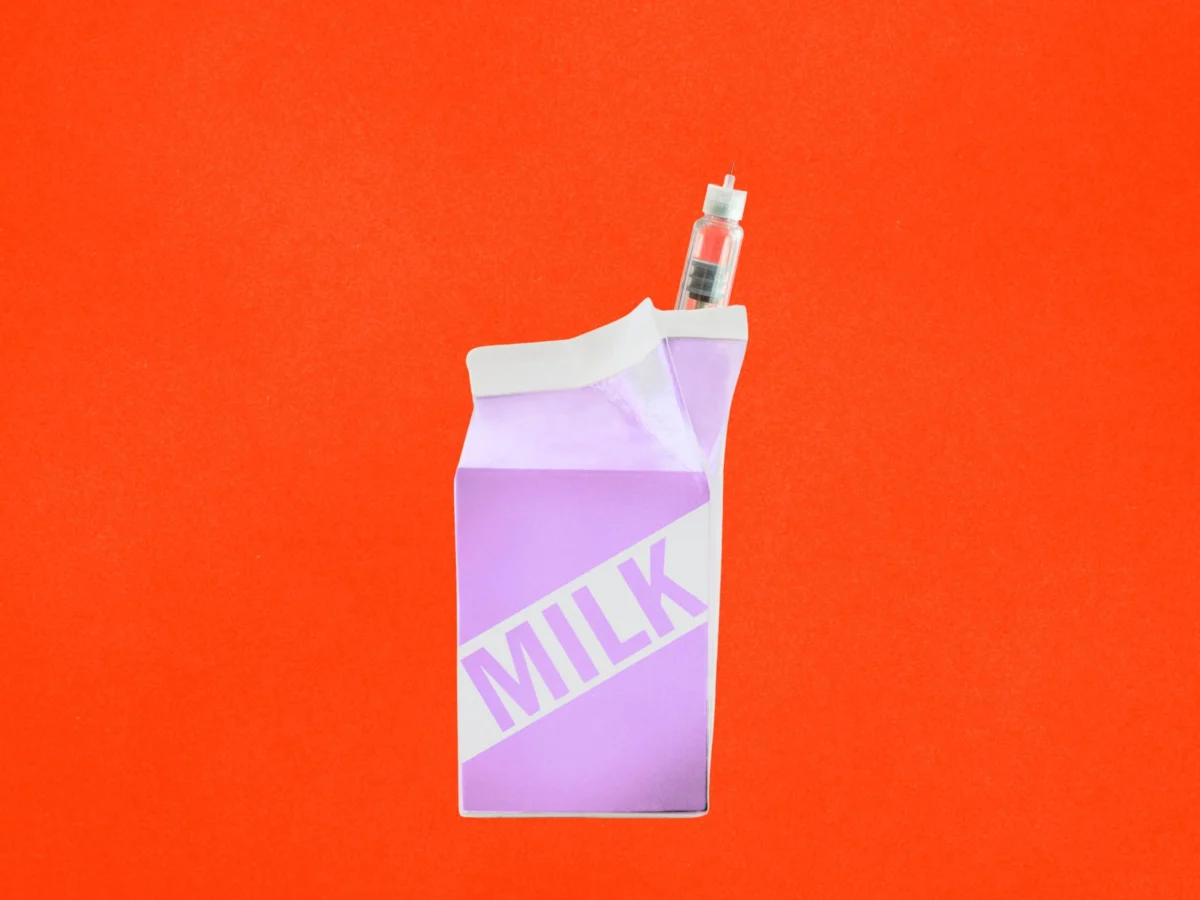
In the quiet corners of household refrigerators—tucked behind jars of artisanal mustard, buried in repurposed baking soda boxes, or disguised inside empty containers of anchovy paste—a new form of domestic subversion is taking place. Across North America, a growing demographic of women is successfully navigating significant weight loss through the use of GLP-1 receptor agonists like Wegovy, all while maintaining an elaborate façade of secrecy from their partners, families, and even their primary care physicians.
For many, these medications represent a medical breakthrough in managing weight. For others, they have become a source of profound psychological conflict, forcing them to balance their desire for bodily autonomy against the fear of judgment, criticism, or the erosion of trust within their most intimate relationships.
The Anatomy of a Secret: A Chronology of Concealment
The experience of "Caroline," a 34-year-old resident of Montreal, serves as a poignant case study in the modern struggle for weight control. Her journey began with transparency. When she first initiated Wegovy, she was open with her partner and family, shedding 30 pounds in six months to reach her goal weight of 100 pounds. Despite the success, her loved ones expressed persistent concern regarding the speed and extent of her weight loss.
When she eventually cycled off the medication, the reality of the drug’s chronic nature set in: she regained 10 pounds in just one month. Realizing that the medication was a lifelong commitment rather than a temporary fix, she opted to restart it—but this time, she chose silence.
"Now that we’re talking about kids, he’s seen all the impacts of the drug and he’s done with it," Caroline explains. Living alone allows her to maintain the charade, but the logistics are exhausting. She keeps her pens in the back of her refrigerator, hidden from her boyfriend’s view. When traveling, the anxiety escalates; she must find ways to smuggle the medication into hotel refrigerators or, in more stressful scenarios, her parents-in-law’s kitchen. It is an existence defined by "super awkward" maneuvers and the constant fear of discovery.
The Digital Underground: Reddit and the Culture of Camouflage
Caroline is far from alone. An emerging subculture on platforms like Reddit, specifically within communities like r/GLP1microdosing, has become a repository for "tips and tricks" on how to conceal medical treatments.
The creativity required to hide these medications is as impressive as it is distressing. Users report stashing pens in tomato paste boxes, play-food containers from children’s toy kitchens, opaque feta cheese tubs, and even empty supplement bottles. These elaborate schemes are not born of a desire to deceive for malice, but rather to protect a fragile sense of peace.
One user, identified as Vivid-Act-6442, summarized the motivation succinctly: "If my husband found out, it would just be a series of lectures." For many, the medication represents a tool for empowerment—a way to finally gain control over a body that has historically resisted traditional dieting—and they refuse to let that control be compromised by the opinions or skepticism of those around them.
The Medical Perspective: Empowerment vs. Risk
Dr. Kia Mitchell, a specialist in family and obesity medicine based in Jacksonville, Florida, confirms that this pattern of secrecy is a "real thing" in her practice. She notes that for many women, the ability to control the narrative around their weight loss is a vital component of the treatment’s success. After years of struggling with weight and feeling a lack of control, the medication offers a sense of agency.
However, Dr. Mitchell expresses significant concerns about the medical implications of this secrecy. "When someone is trying to lose weight, we want their stress hormones to be as low as possible," she notes. "If you’re trying to hide medication, we’ll be fighting an uphill battle if you’re stressed about that."
Beyond the psychological burden, there are physiological risks. GLP-1 medications are known to significantly impact fertility, and Dr. Mitchell reports "several GLP-1 babies" in her practice—pregnancies that occurred unexpectedly while patients were on the medication. Furthermore, if a patient experiences adverse side effects or requires emergency medical intervention, the lack of knowledge on the part of a partner or a primary care physician could lead to diagnostic errors or life-threatening complications.
The Role of Telemedicine in the Secrecy Loop
The rise of direct-to-consumer telehealth platforms, such as Hers and Ro, has fundamentally altered the landscape of medical accessibility. While these services provide a vital lifeline for those who feel dismissed by their traditional primary care doctors, they also provide a convenient path for patients to avoid disclosure.
Caroline, for instance, has avoided telling her primary doctor about her Wegovy use, despite her concerns regarding how the drug might interact with her other medications, including Accutane and Ritalin. Instead, she finds herself using generative AI tools as a makeshift medical consultant. "I use ChatGPT as my doctor at this point," she admits, acknowledging the danger in such a practice.
Dr. Craig Primack, the head of weight loss at Hers, acknowledges the complexity of the situation. He notes that while their platform encourages patients to discuss their treatment with their primary care doctors, the company cannot force transparency. He views the rise of telehealth as a reaction to the inherent bias and stigma that many patients face in traditional healthcare settings.
"Your weight and persona set up a dynamic in your couple," Dr. Primack explains. "When you start changing that, sometimes spouses get very jealous… Not that weight is directly linked to that, but that’s what I hear them say."
Navigating the Conversation: A Path Toward Honesty
Clinical psychologist Dr. Rachel Goldman, an expert in weight management at NYU Grossman School of Medicine, suggests that the impetus for hiding these drugs often stems from a fear of invalidation. She advocates for a structured approach to disclosing medication use to partners, emphasizing that the goal is not to "win" a debate, but to invite support.
Strategies for Transparent Communication:
- Identify the "Why": Before speaking to a partner, patients should clearly define their own motivations for the treatment. Understanding the health and well-being goals behind the medication makes the argument more grounded and less defensive.
- Use "I" Statements: Framing the conversation around personal experience—"I feel healthier when…" or "I need this tool to manage my metabolic health"—shifts the focus away from potential criticism.
- Anticipate Reactions: Recognize that a partner’s initial reaction is often colored by their own misconceptions or fears. It is helpful to view the conversation as a process rather than a single event.
- Define Support Needs: Clearly articulate what is needed from the partner. Do you need practical help, emotional validation, or simply the space to manage your own health without commentary?
The Road Ahead: The Psychological Toll of Perpetual Secrecy
As Caroline reflects on her future, the weight of her secret is becoming increasingly difficult to bear. She finds herself trapped in a paradox: she is empowered by her results but exhausted by the deception. "I don’t love the idea of taking medicine like that forever, but I’m kind of stuck with it," she admits.
This dilemma highlights a broader societal issue. As GLP-1 medications become more ubiquitous, the stigma surrounding weight and the methods used to manage it must be dismantled. Until then, many will continue to choose the safety of the refrigerator’s back shelf over the vulnerability of an honest conversation.
The medical community faces a challenge: how to provide high-quality care to patients who feel compelled to hide their treatments from their own support systems. For now, the "hidden needle" remains a quiet testament to the enduring power of societal judgment, and the desperate, often isolating measures women will take to secure their own health on their own terms.
 Lina Hope
 Pevita Pearce
 Layla Zulfa
