

When the Olympia emcee steps to the microphone, the ritual is always the same: he announces the competitor’s home nation, followed by their name. While this might appear to be a mere formality to the casual observer, it is, in reality, a profound statement of purpose. The Olympia is not simply a contest of muscle and symmetry; it is a living, breathing testament to the power of human connection, transcending borders, languages, and political ideologies. In an era often fractured by geopolitical tension, the stage in Las Vegas serves as a rare, neutral ground where the world’s most elite athletes stand shoulder-to-shoulder, united by the singular pursuit of physical perfection.
The Global Stage: A Melting Pot of Nations
As the Olympia prepares to host athletes from across the globe, the scope of the event is staggering. In the Men’s Open division alone, competitors hail from 11 different nations. When one accounts for the 11 professional divisions and the international talent pool participating in the Amateur Olympia, the sheer diversity of the participant list is a marvel of modern sports.
This isn’t just a world championship; it is a global summit of physical culture. In a world where diplomatic channels often fail, the Olympia acts as a bridge. It offers a glimpse into a potential future where community, spirit, and shared athletic goals take precedence over nationalistic posturing. This is not mere hyperbole; the history of the sport is deeply rooted in the concept of using the "iron" as a tool for peace.
A Legacy of Diplomacy: The Weider Vision
To understand the diplomatic weight of modern bodybuilding, one must look back to the seminal moments of the 1970s. The 1975 Mr. Olympia, immortalized in the cult-classic documentary Pumping Iron, was held in Pretoria, South Africa. At the time, the nation was gripped by the oppressive, state-sanctioned policies of apartheid, a reality that rendered it a pariah in the international sports community.
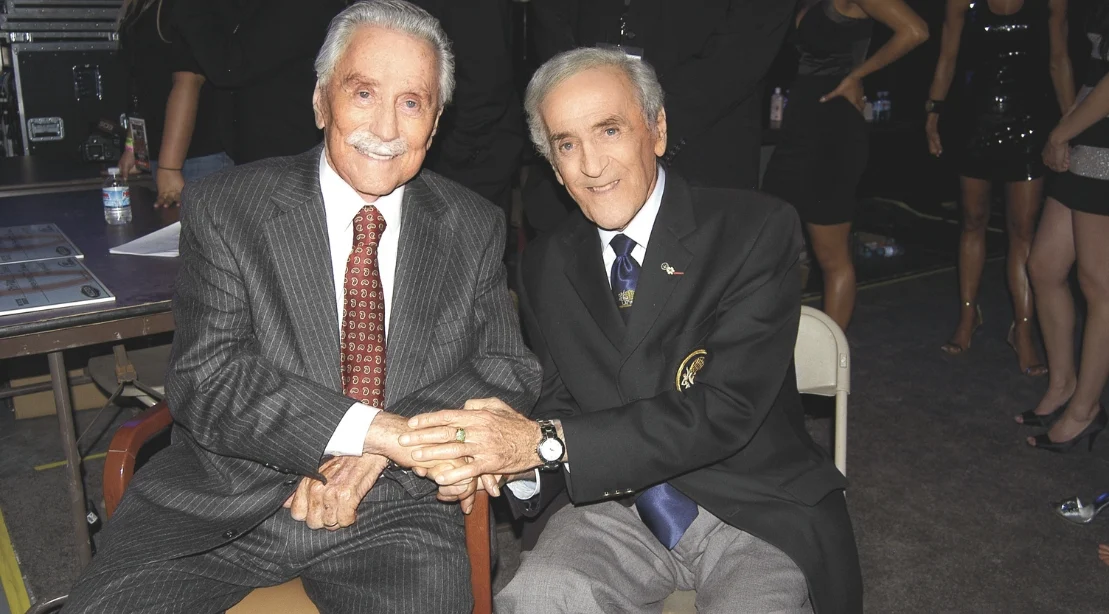
IFBB President Ben Weider, alongside his brother Joe, faced intense public scrutiny and accusations of prioritizing financial gain over human rights by hosting the event in such a climate. However, the internal reality was vastly different. According to Rob Wilkins, Senior Military Editor for Muscle & Fitness and a former assistant to Ben Weider, the Weider brothers were driven by their own experiences with discrimination. As Jewish entrepreneurs, they had felt the sting of exclusion by established athletic organizations like the AAU. This personal history of being "outsiders" served as the catalyst for the formation of the IFBB—a federation designed to be an inclusive, unifying force for all people, regardless of background or creed.
The Pretoria Standoff
Behind the scenes of the 1975 contest, Ben Weider was engaged in a high-stakes diplomatic maneuver. He leveraged the existence of the Universe and Olympia contests as bargaining chips, explicitly informing the South African government that if they did not permit athletes of color to compete, the events would be moved to a different country.
The pressure worked, but only to a point. Upon arrival in Pretoria, the athletes faced lingering systemic challenges, including segregation in local transportation. Weider, supported by the reigning champion Arnold Schwarzenegger, took a firm stand. They refused to accept these conditions, demanding that every competitor be treated with equal dignity. Their insistence shattered the local status quo, paving the way for legends such as Albert Beckles, Robby Robinson, and Serge Nubret to make history.
The Ripple Effect: Beyond the Podium
The impact of Weider’s intervention extended far beyond the immediate conclusion of the 1975 contest. By establishing the precedent that bodybuilding was an inclusive sanctuary, the IFBB triggered a slow-moving but undeniable cultural shift within South Africa. The event served as a catalyst, contributing to an environment where, years later, athletes like Sydney Maree could be rightfully celebrated as the nation’s first Black "Athlete of the Year."
Wilkins emphasizes that Weider’s approach was one of "soft power"—he did not seek to impose his will through aggression, but through the consistent application of his values. This strategy allowed him to travel behind the Iron Curtain during the Cold War and into China, always carrying the same message: physical culture is a universal language. His ultimate goal—official recognition by the International Olympic Committee (IOC)—was realized in 1998, when the IFBB received provisional status during the Winter Olympics in Nagano, Japan.
Supporting Data: The "Decade of Sport"
We are currently entering what many observers are calling the "Decade of Sport." With the United States serving as the epicenter for major global events—including the 2026 World Cup, the 2028 Summer Games in Los Angeles, and the 2034 Winter Olympics in Salt Lake City—the conversation around sports diplomacy has never been more relevant.
However, bodybuilding occupies a unique space within this landscape. Unlike team sports, which are often heavily influenced by nationalistic funding and government agendas, the Olympia is built on individual merit. When a competitor from a country with a strained relationship with the United States stands on stage, the audience doesn’t see a representative of a foreign regime; they see an individual who has dedicated years to training, recovery, and discipline.
Comparative Metrics of Inclusion
- National Representation: Over 11+ nations represented in the Open Division.
- Inclusive Standards: The IFBB Pro League remains the most globally accessible professional organization for physique athletes.
- Diplomatic Milestones: The 1998 IOC provisional recognition stands as the benchmark for legitimizing bodybuilding as a global, unifying sport.
Official Perspectives: The Philosophy of the Iron
The prevailing sentiment among industry leaders is that bodybuilding provides a blueprint for diplomatic cooperation. The core pillars of the sport—training, nutrition, and overcoming physical limitations—are universal human experiences.
"Bodybuilding has shown us how many things we really do have in common," says Wilkins. While the sport is inherently competitive, the respect commanded by a world-class physique transcends the result of the judging. The level of commitment required to reach the Olympia stage is a language understood by everyone, from the amateur in a local garage gym to the professional standing under the bright lights of Las Vegas.
Implications for a Divided World
If the goal of global diplomacy is to find common ground, then perhaps the world’s leaders should look to the gym. The Olympia is more than just an event; it is a microcosm of what society could be if we prioritized individual excellence and mutual respect over division.
The implications are clear: the "power of the iron" is not just about moving weight; it is about building the character necessary to coexist. While summits and treaties are necessary for political order, they often fail to capture the hearts of the people. Sport, by contrast, creates a shared emotional bond. When the audience cheers for a competitor from a rival nation, they are, for a fleeting moment, recognizing a shared humanity.
Conclusion: The Unifying Power
As we look toward the 2026 Olympia and beyond, the message remains the same. We live in a world that is increasingly polarized, yet the Olympia continues to stand as a beacon of unity. It reminds us that our potential is not limited by our geography, but defined by our dedication.
Whether one is a professional bodybuilder or a fan in the rafters, the takeaway is consistent: we are all striving for the same thing—a better version of ourselves. And perhaps, in the process of building a better self, we inadvertently build a better world.
Tickets for the 2026 Olympia and World Fitness Expo are currently available. To join the movement and witness this celebration of human potential, visit mrolympia.com.
 Lina Hope
 rifanmuazin
 Laily UPN
