

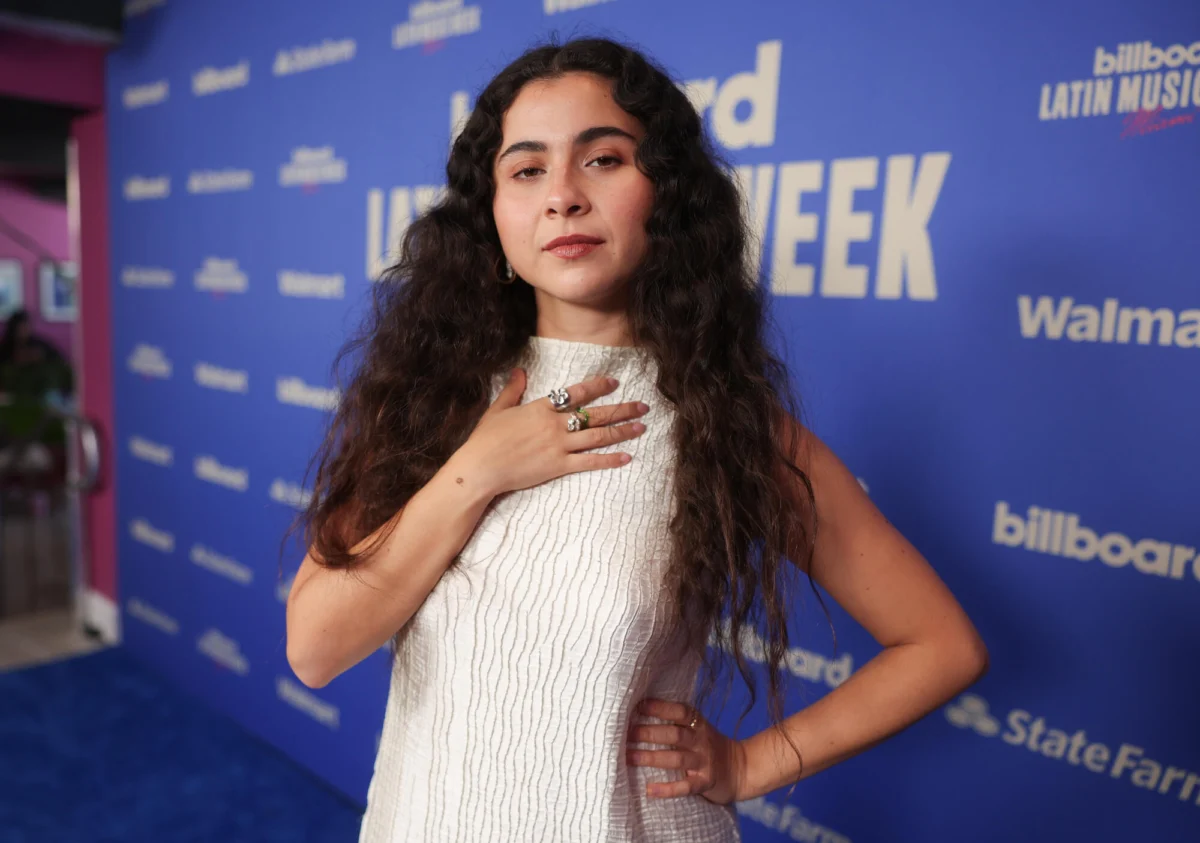
It has been one week since the Latin Recording Academy unveiled its nominations for the upcoming awards cycle, and the industry is still reeling from the implications. What has emerged is perhaps the most volatile, genre-defying, and historically significant slate of contenders in recent memory. From global pop titans pushing the technical boundaries of their craft to revered veterans finally positioned for long-overdue career milestones, the 2026 Latin Grammy field captures a cultural landscape in the midst of a profound shift.
As the industry pivots toward the broader Grammy Awards, these nominations act as a crucial barometer. They reveal not just who is currently dominating the streaming charts, but which artists have successfully bridged the gap between commercial ubiquity and critical prestige. As we analyze the fallout from the announcement, the focus shifts to the front-runners, the glaring omissions that have sparked fan outrage, and the seismic impact these results will have on the upcoming mainstream Grammy race.
The Main Facts: A Field Defined by Artistic Tension
The 2026 nomination list is headlined by a triad of powerhouses: Karol G, Jorge Drexler, and Rosalía. Each represents a distinct facet of the modern Latin music experience.

Rosalía, a cultural phenomenon whose influence has transcended linguistic borders, is gunning for a historic third Album of the Year title with Lux. The project, a daring amalgamation of traditional Latin motifs, classical structures, and avant-garde alternative production, has earned rapturous critical acclaim. A victory here would see her equal the record held by legends Alejandro Sanz and Juanes, trailing only the incomparable Juan Luis Guerra, who stands at five wins.
Karol G, fresh off a banner year, finds herself in a position to cement her status as an icon. Her 2025 album Tropicoqueta is a masterpiece of modern urban pop. With her track record—including last year’s Song of the Year win for "Si Antes Te Hubiera Conocido"—she is positioned to become only the second woman in history to win the category twice, a feat previously managed only by Rosalía. Her momentum is further bolstered by the global dominance of "Bby Wow," a track that has kept her name at the forefront of the cultural conversation.
Then there is Jorge Drexler. Taracá is widely considered his most ambitious work to date, a textured, meditative exploration of identity, history, and the evolving role of artificial intelligence in music. Despite his six career wins in the General Field, he has never secured the coveted Album of the Year. For many, his potential win is viewed as a long-overdue validation of his artistic longevity.

Chronology: The Road to the Ceremony
The timeline of the 2026 award season is compressed and intense, creating a high-stakes environment for every nominee.
- September 2026: The official nomination announcement sent shockwaves through the industry, immediately highlighting the tension between the "Old Guard" and the new wave of indie-folk and alt-pop artists.
- October 12, 2026: The first-round voting period for the mainstream Grammys officially commences. This is the moment when the momentum from the Latin Grammy nods must be translated into industry votes.
- November 12, 2026: The Latin Grammy ceremony takes place. The winners here will have exactly four days to capitalize on their prestige before the mainstream Grammy voting window remains wide open.
- November 16, 2026: The mainstream Grammy nominations are announced. This will reveal how much of the Latin Grammy sentiment carried over to the North American voting body.
- December 10, 2026: Final balloting begins for the mainstream Grammys, marking the end of the campaign season.
Supporting Data: The Rise of the "Indie-Megastar"
While the headlines are dominated by the household names mentioned above, the deeper data points to a fascinating democratization of the ballot. The presence of artists like Milo J, Ca7riel & Paco Amoroso, Mon Laferte, and Silvana Estrada in the General Field categories signals a shift in what the Academy values.
The most intense point of friction in this year’s data is the Best Singer-Songwriter Album category. It is a "clash of the titans" scenario: Drexler’s Taracá, Estrada’s Vendrán Suaves Lluvias, and Laferte’s Femme Fatale are all vying for the same prize. Industry analysts believe that whoever takes this category will likely walk away with a major boost in the broader Album of the Year race, as it serves as the ultimate litmus test for songwriting prowess.

Furthermore, the emergence of "out-of-nowhere" nominations, such as the Brazilian artist Zanna and her track "Nilo," provides a fascinating case study in meritocracy. Despite having fewer than 2,000 streams at the time of the announcement, "Nilo" earned a nod for Song of the Year. This underscores the Academy’s willingness to prioritize artistic impact over algorithmic popularity, a move that has been met with both applause and confusion from the streaming-obsessed industry.
The Snubs and Surprises: When the Machine Falters
No award cycle is complete without its share of controversy. The most significant snub of 2026 involves the band Rawayana. Their album ¿Dónde Es El After? was a critical darling, yet it was relegated to only a single category: Album of the Year. The exclusion of tracks like "Inglés en Miami" from the Best Pop Song category has prompted accusations of "category confusion," with critics arguing that the Academy’s rigid genre definitions may have prevented a deserving project from sweeping the awards.
Similarly, the absence of Rosalía and the duo Ca7riel & Paco Amoroso from the Best Alternative Song category—despite their dominance in the Alternative Album race—has left many scratching their heads. In the case of Karol G and Marco Antonio Solís, their collaboration "Coleccionando Heridas" missed the cut for Best Pop Song despite being a nominee in both Record and Song of the Year. These omissions highlight the often-impenetrable wall between general critical success and specific category eligibility.

Implications for the 2027 Grammy Awards
The relationship between the Latin Grammys and the mainstream Grammys is closer than ever. For artists like Rosalía, a strong performance on November 12 is not just about local pride; it is a vital marketing push for the 2027 Grammys.
- The "Rosalía" Factor: If Lux sweeps the Latin Grammys, it will be nearly impossible for the mainstream Grammy voters to ignore her in the Best Latin Rock or Alternative Album category. Conversely, if she suffers an upset, it may open the door for a narrative of "vulnerability," potentially allowing another artist to steal the spotlight.
- Drexler’s Legacy: For Jorge Drexler, an Oscar winner who has yet to win a mainstream Grammy, the Latin Grammy results will act as a primary indicator of his viability. A win for Taracá could push him into the mainstream conversation for Best Latin Pop Album, providing an easier path to that elusive golden gramophone.
- The Inaugural Best Latin Song: With a new category being introduced at the Grammys specifically for Latin Song, the field is wide open. The Latin Grammy winners will effectively set the "industry standard" for what the Recording Academy deems worthy of this new, historic award.
Conclusion: A Balancing Act
This year’s nomination slate illustrates a Latin Recording Academy attempting to perform a delicate balancing act. By placing indie gems like Zanna alongside global stadium-fillers like Karol G, the Academy has ensured that the 2026 cycle is defined by diversity of thought rather than just market share.
As we approach the final weeks of voting, it is clear that momentum, industry goodwill, and critical reception will be the deciding factors. The results on November 12 will do more than crown a new group of champions; they will finalize the narratives that will define the international music industry well into 2027. Whether the Academy chooses to double down on established icons or embrace the rising tide of alternative, experimental talent remains to be seen—but one thing is certain: the world is watching.
 Ammar Sabilarrohman
 Siti Muinah
 Iffa Jayyana
