

This story is from an installment of The Oeno Files, our weekly insider newsletter to the world of fine wine.
For over a century, the mention of "Michelin" has conjured images of white-tablecloth service, clandestine inspectors, and the high-stakes pursuit of the coveted three-star rating. However, the legendary French guide is currently facing a new kind of heat—not from disgruntled chefs, but from the global wine cognoscenti. As Michelin expands its footprint from the kitchen to the cellar, introducing a new rating system for wineries and vineyards, it has ignited a fierce, digital-first debate over authority, transparency, and the very nature of wine criticism.
The Evolution of the Guide: From Tires to Terroir
Michelin’s journey began in 1900 as a marketing tool for a tire company, designed to encourage motorists to travel and, by extension, wear out their tires. Over the decades, it evolved into the ultimate arbiter of culinary excellence. In the last decade, however, the brand has embarked on an aggressive global expansion, moving into new geographical territories from South Carolina to South Korea.
In 2024, the company signaled a strategic shift: it would no longer be satisfied with just the plate. After launching the "Michelin Keys" for hotels—utilizing its trademark three-point scale—the company turned its attention to the vineyard. Michelin’s new wine rating system is simple: one grape for a "very good" producer, two for "excellent," and three for "exceptional." While the ambition is clear, the reception among trade professionals has been, at best, skeptical, and at worst, overtly hostile.
A Chronology of the Discontent
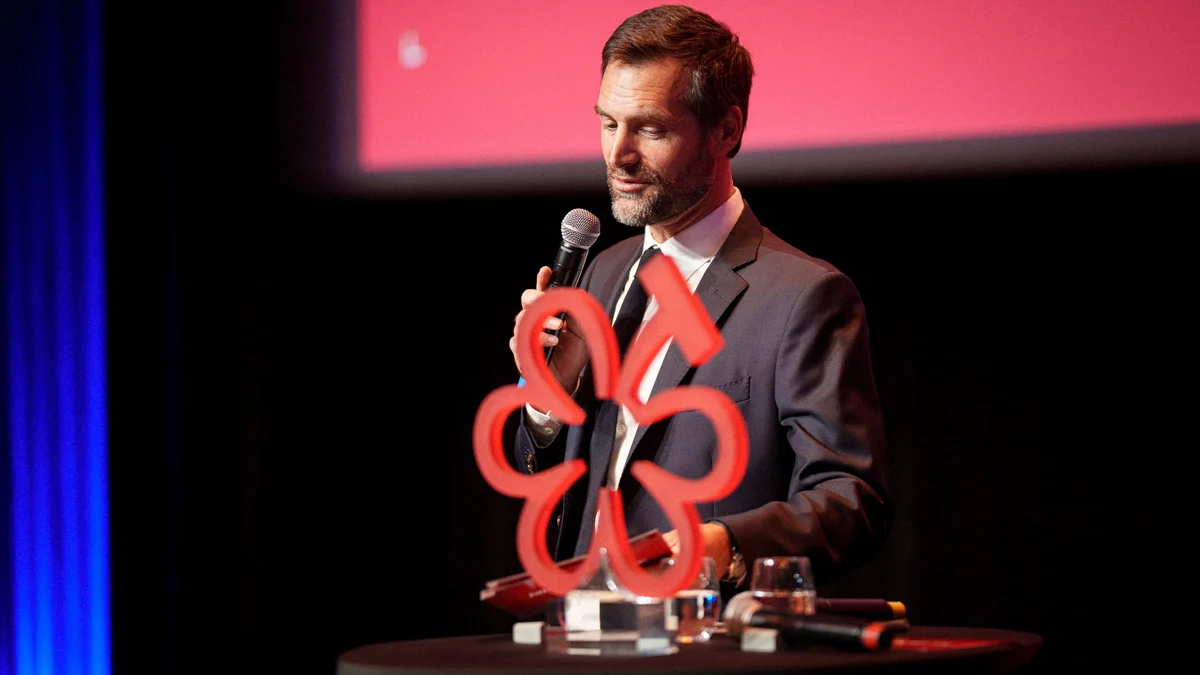
The friction began in July 2024 with a pilot incursion into Burgundy. While that initial launch stirred minor ripples, the true storm broke on September 7, when the guide formally descended upon Bordeaux. During a high-profile ceremony at the Cité du Vin, Michelin bestowed recognition upon 84 wineries.
The numbers themselves tell a story of exclusivity. In a region home to more than 7,000 wine-producing châteaux, only 84 were deemed worthy of mention. Of those, 21 received recognition but no grapes, 38 earned one, 16 were awarded two, and just nine achieved the "exceptional" three-grape distinction.
The guide’s official website claims to cover the "majority of the region’s most iconic appellations," a statement that has alienated producers in the Bordeaux AOC, Bordeaux Supérieur, and Entre-Deux-Mers categories. By focusing on the "greats"—the Right Bank’s Saint-Émilion and Pomerol, and the Left Bank’s prestigious communes like Pauillac and Margaux—Michelin has effectively bypassed the "solid" producers who form the backbone of the region’s historical and economic identity.

The Social Media Backlash: A Case of "Laughable" Methodology
While the physical tasting rooms remain relatively quiet, the digital landscape is ablaze. On platforms like X (formerly Twitter), Instagram, and Threads, wine professionals are not mincing words. Adam Lee, owner and winemaker at California’s Clarice Wine Company, captured the sentiment of many when he wrote, "It’s laughable and should be mocked and denigrated."
The primary point of contention is the methodology. Michelin claims to evaluate five specific criteria: quality of agronomy, technical mastery, identity, balance, and consistency. Unlike its restaurant inspectors—who remain famously anonymous and undercover—Michelin’s "winery experts" conduct pre-arranged visits to evaluate vintages, vineyards, and facilities.
Critics argue this process is fundamentally flawed. "Are we meant to believe that Michelin’s inspectors have examined that acreage extensively and repeatedly, across different seasons and vintages, with enough expertise to assess soil vitality and vineyard balance?" Lee asks. He points out that the sheer complexity of evaluating a massive, sprawling estate requires years of local knowledge—time and access that a traveling inspector simply does not have.
The Data and the Discrepancies
The list of "omissions" and "under-rankings" has become a flashpoint. While iconic estates like Château d’Yquem, Château Cheval Blanc, and Petrus received the top-tier three-grape honor, the "two-grape" designation for titans such as Château Margaux and Château Haut-Brion has been widely interpreted as a snub.
Robin Kelley O’Connor, a New York-based global wine specialist and educator, expresses disbelief at the ranking of high-end boutique wines. "What about one grape for Château Le Pin on the Right Bank?" she asks. "Le Pin is approximately $4,100 upon release at retail and is one of the most sought-after wines in the world, constantly rated 97 to 100 points. What amateur did they have rating the wines?"
Jeff Leve, publisher and editor of The Wine Cellar Insider, has been tracking the negative sentiment across his platforms. Leve highlights a critical philosophical flaw in Michelin’s approach: the decision to rate the estate rather than the wine. "Wines change every year," Leve notes. "The climatic condition of the year, the choices in the vineyard and in the cellar—they will never be the same from vintage to vintage. While it’s interesting to some to learn about a property, it’s not exactly relevant to what’s in the bottle."
Official Responses and Strategic Silence
Michelin has largely remained behind its corporate veil, offering little in the way of rebuttal to the industry’s outcry. Meanwhile, the reaction from the châteaux themselves has been a masterclass in diplomacy.

Many top-tier estates declined to comment for this story, citing the delicate nature of their relationship with the guide. Others, particularly those in the lower tiers who received a designation, have embraced the publicity. Château Troplong Mondot, for instance, issued a formal press release celebrating its two-grape status. For these producers, any stamp of approval from a global brand like Michelin—even one met with controversy—is a marketing asset in an increasingly crowded and struggling global wine market.
The Implications: Is This the New Parker Era?
Despite the "online squabbling," there is a pragmatic view that suggests Michelin’s entry could be a net positive. Guillaume Jourdan, managing director of the Paris-based consultancy VitaBella, draws a historical parallel to the 1980s.
"It’s a great opportunity, in a time as challenging as the one we’re currently facing, to have a name as prestigious as Michelin take an interest in wine," Jourdan argues. "It was the same thing in the mid-1980s when Robert Parker turned the 1855 classification upside down. And we saw how that turned out."
Parker’s influence shifted the paradigm of wine criticism, creating a consumer-driven market that prioritized point scores. If Michelin succeeds in doing the same, the long-term impact on pricing and consumer behavior could be seismic. However, for that to happen, the guide must overcome its current crisis of credibility.
Looking Ahead: The Credibility Gap
The fundamental question for Michelin is whether it can maintain its legendary reputation for rigor in a sector as subjective as wine. In the culinary world, a "bad" meal is a fleeting experience. In the wine world, a label—and the rating attached to it—can define the commercial viability of a property for years to come.
As the dust settles on the Bordeaux launch, the industry remains divided. The traditionalists demand transparency and vintage-specific reporting; the pragmatists welcome the potential for new market visibility; and the skeptics are waiting to see if the tire company will adjust its roadmap based on this rocky start.
Whether Michelin’s grapes become the gold standard or remain a footnote in the history of wine criticism depends on one thing: whether the consumer—not the critic—finds value in the rating. For now, the debate rages on, proving that in the world of fine wine, the only thing more intoxicating than the product itself is the argument surrounding it.
 Ali Ikhwan
 Laily UPN
 Raul Delapena Setiawan
