

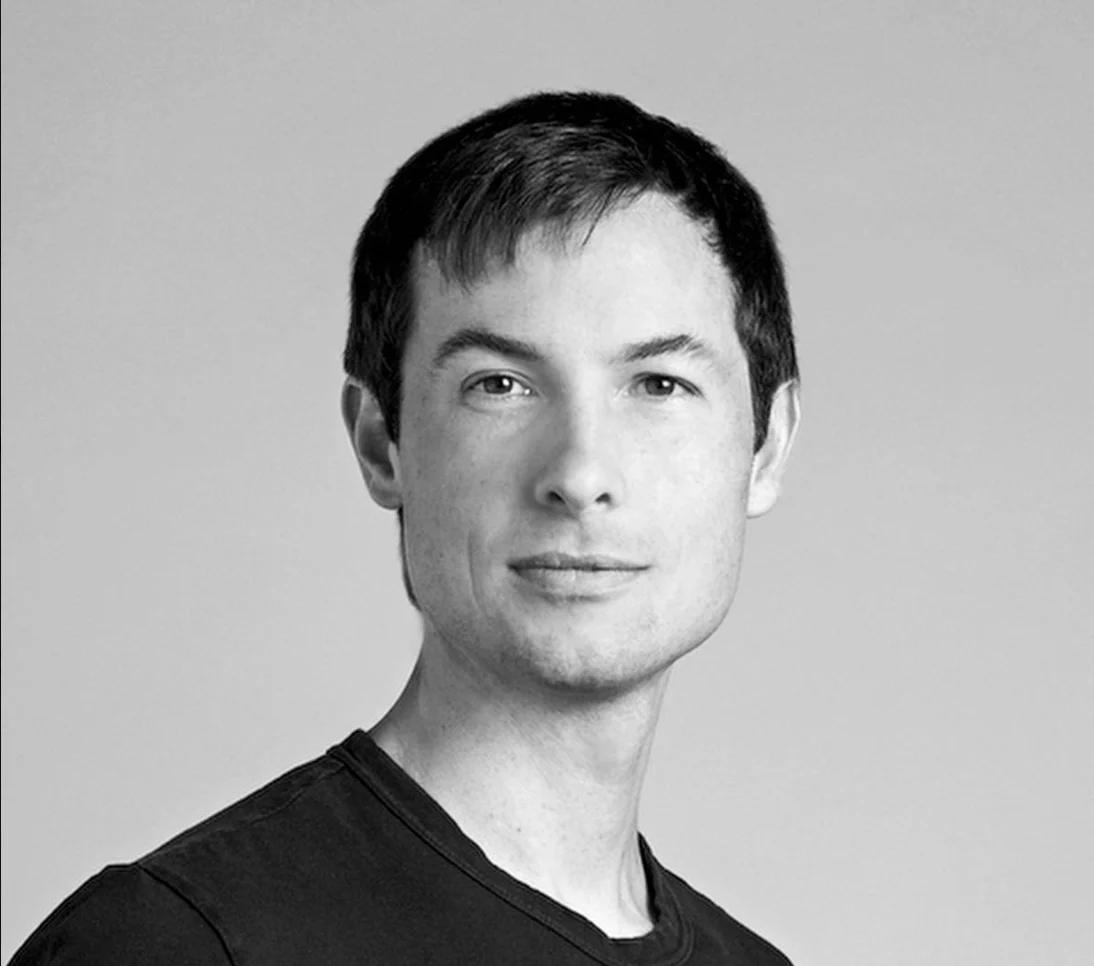
Three years after its inception, Yosemite—the oncology-focused venture firm founded by Reed Jobs—is no longer the experimental newcomer on the block. Having successfully navigated the post-pandemic biotech "winter," the firm has emerged as a high-velocity engine for drug discovery, backed by a $350 million second fund and a team of 17 experts.
Jobs, known for a self-deprecating humor and a pragmatic, data-first approach, has steered Yosemite into a unique niche: operating at the intersection of academic philanthropy and hard-nosed venture capital. While he remains wary of the inevitable curiosity surrounding his last name, he is laser-focused on a mission that feels increasingly urgent: using AI and novel biological insights to dismantle the "untouchable" targets of human cancer.
The Evolution of Yosemite: From Startup to Power Player
When Yosemite first launched in 2023, the biotech sector was reeling from record-high valuations followed by a precipitous crash. Investors were skittish, and the "easy money" era had evaporated. Yet, Jobs saw a structural opportunity.
"One of extreme activity," is how Jobs characterizes the current state of the firm. Yosemite operates on a hybrid model that differentiates it from traditional VCs. About one-third of their capital is deployed into companies they build from the ground up, often collaborating with academic institutions like Yale, Stanford, and Berkeley. The remaining two-thirds are invested in external ventures that align with their strictly oncological mandate.
Beyond its standard investment vehicle, Yosemite maintains a commitment to pure research through a donor-advised fund, which receives 2.5% of the firm’s assets under management and $1 million annually from management fees. This "no-strings-attached" capital is vital, according to Jobs, as it allows researchers to de-risk ideas while they are still in the nascent, fragile stages within university labs.
Chronology of a Biotech Disruptor
The trajectory of Yosemite mirrors the broader recovery of the life sciences industry:
- 2023: Yosemite debuts at TechCrunch Disrupt. The biotech market is in a deep freeze, and investor sentiment is largely conservative. Yosemite establishes its foundational portfolio, sourcing companies like Azalea (emerging from Jennifer Doudna’s lab) and Quarry (focused on induced proximity therapy).
- 2024: Pharma companies, flush with cash from pandemic-era successes and facing a massive "patent cliff," begin an aggressive acquisition spree. Yosemite’s strategy of building companies with high-value, novel IP begins to yield significant market attention.
- 2025: Yosemite closes its second fund, targeting $350 million. The firm scales its team to 17 and begins integrating AI into every facet of its workflow, from clinical trial design to the discovery of "undruggable" pockets in proteins.
AI: From Hype to Clinical Reality
While the tech industry has been obsessed with AI for years, the healthcare sector has remained notoriously archaic—a landscape Jobs describes as being populated by "technologically naive" hospitals still reliant on faxes and floppy disks. However, in the laboratory and the clinical trial environment, the shift is palpable.
For Yosemite, AI is not just a buzzword; it is a force multiplier. Jobs highlights that AI is democratizing science by accelerating "grunt work" and enabling the discovery of new therapeutic pockets. A prime example is the KRAS mutation, long considered a "death star" of cancer—a smooth, oval protein with no natural surface for a drug to latch onto.
"About 10 years ago, scientists at Amgen found a weird cryptic pocket in it, leading to the first drug against it," Jobs notes. "What AI has done is find all the other variants we can now target and show creative new ways to block it."
Furthermore, AI is poised to revolutionize clinical trials, which represent the most significant cost and time sink in drug development. By utilizing "synthetic control arms"—computer-generated comparison groups built from existing patient data—firms can theoretically halve the number of patients required for a trial and significantly increase the speed of development.

The "Undruggable" Targets
Yosemite is currently swinging for the fences, targeting what Jobs calls the "Achilles’ heels" of cancer. Perhaps the most ambitious of these is p53, a tumor suppressor gene that is suppressed in nearly every human cancer.
"Famously, elephants don’t get cancer, and one theory is they have dozens of copies of p53, while humans have just one, which is easily taken out," Jobs explains. Yosemite is currently backing three different companies pursuing varied strategies to turn p53 back on or attack its mutated forms—a feat that has eluded the medical community for decades.
Another key portfolio company, Tune Therapeutics, is tackling Hepatitis B—a major driver of liver cancer—by using epigenetic editing. Instead of altering DNA, Tune’s technology adds or removes methyl groups, essentially acting as a dimmer switch to silence the virus. It is an approach that mimics how the human body naturally clears the virus in a tiny percentage of the population.
Implications for the Future of Healthcare
The broader landscape of healthcare is shifting, and Jobs views the rise of GLP-1 drugs (like Ozempic and Wegovy) not just as weight-loss tools, but as a potential catalyst for a new era of preventive medicine. Because obesity is a "pan-disease" risk factor, the success of these drugs is prompting researchers to re-examine other chronic conditions with fresh ambition and capital.
However, Jobs remains a pragmatist. When asked about the "longevity industry," he is skeptical of the current "one-size-fits-all" business models. "There’s no grand unified theory of aging the way there is in physics," he says, emphasizing that aging is a complex, individual process of cellular degradation. He believes the future of medicine lies in hyper-personalized care rather than a singular longevity "cure."
Official Stance on Policy and Strategy
Jobs has been a vocal proponent of NIH funding, warning that federal cuts could have devastating consequences for the American research ecosystem. Despite political pressure to slash budgets, he remains optimistic about the bipartisan support for medical research. "Personally, I think we should go on offense—I’d increase it to something like $100 billion," he argues, noting that in real terms, NIH funding has stagnated for over a decade.
For founders seeking to navigate the complex world of biotech, Jobs offers a simple, albeit rigorous, piece of advice: The science is the story. He warns that while storytelling is crucial for capital raising, it must be supported by a professionalized operational structure. He encourages founders to remain fluid, as the priorities of Big Pharma—their primary exit partners—can shift drastically based on leadership changes and market conditions.
Conclusion: A High-Stakes Bet
As Yosemite enters its fourth year, the firm is no longer just an experiment. It is a testament to a new breed of venture capital that is willing to shoulder the heavy, unglamorous burden of early-stage science. Reed Jobs has successfully carved out a space where the goal is not merely to capture value, but to create it.
"This time is more important than I realized," Jobs admits, reflecting on the current state of cancer research. "Which is both scarier and more empowering." For a generation of patients and researchers, that empowerment may be the catalyst for the next breakthrough.
 Asep Darmawan
 Siti Muinah
 Ali Ikhwan
