

The podcast industry continues to evolve at a breakneck pace, marked this week by significant shifts in distribution strategies, high-profile celebrity entries into the audio space, and innovative grassroots marketing efforts. As the medium matures, the lines between traditional broadcast, comedy networks, and niche interest platforms are blurring, leading to a more fragmented yet highly engaged listener base.
Main Facts: A Wave of New Content and Strategic Shifts
This week has seen a flurry of activity across the audio landscape, with several key developments that highlight the industry’s ongoing consolidation and creative diversification.

The most notable shift involves The Adam Friedland Show, which is departing the All Things Comedy network to find a new home on Spotify. This move is accompanied by a strategic partnership with The Ringer, which will see the launch of a World Cup-focused mini-series titled The Beautiful Pod. By embedding this content directly into the existing feed, the creators are leveraging their current audience to capture interest in real-time sporting events, a classic example of "event-based" podcasting that keeps listeners returning during tournament play.

Simultaneously, Bauer Media Group has launched Judgemental, a high-profile series featuring Strictly Come Dancing stars Anton Du Beke and Craig Revel Horwood. This show signals a trend in "personality-driven" audio, where the primary draw is the established chemistry of the hosts rather than a rigid topical focus. The show promises a blend of pop culture commentary and lighthearted debate, aiming to capture the casual, companionable listenership that defines the current "conversation" genre.

Other notable launches include the eleventh season of Banned Camp, which has opted for a highly topical debut with Margaret Atwood’s The Handmaid’s Tale, and the return of The Louis Theroux Podcast, which continues to attract major cultural figures like Gary Lineker and Marco Pierre White.

Chronology of Industry Movements
The current state of podcasting is the result of rapid-fire strategic decisions made over the last several months.

- Pre-Launch Phase: Throughout early 2024, networks like Spotify and The Ringer have been scouting for high-engagement, personality-led comedy podcasts to anchor their sports coverage.
- The Transition: The Adam Friedland Show finalized its exit from All Things Comedy, aiming for a broader distribution reach through Spotify’s ecosystem.
- Today’s Launches: Tuesday morning saw the simultaneous debut of Judgemental from Bauer Media and the season premiere of Banned Camp. These launches were timed to capture mid-week listener spikes.
- Ongoing Growth: Throughout the week, niche podcasts like Conversations with Stephen Kamugasa and Wired Divergent continue to feed the "long-tail" demand, proving that while celebrity-led shows grab headlines, the backbone of the industry remains highly specialized, value-driven content.
Supporting Data: The Current State of the Charts
The podcast charts remain a battleground of giants, though they provide a window into current cultural consumption.

In the United States, The Daily continues its reign as the #1 podcast on Apple Podcasts, a testament to the enduring power of investigative news audio. Meanwhile, Spotify’s top spot is held by The Joe Rogan Experience, reflecting the platform’s continued success in dominating long-form, unscripted content.

Regional data provides a fascinating look at the granular interests of local markets. In Ireland, the WoolWork podcast has seen a massive surge in the "Hobbies" category, while the Islampodcasts feed has seen a strong entry in the "Judaism" category. In the United Kingdom, the evergreen nature of mindfulness and spiritual audio is cemented by Tara Brach holding the #1 position in the "Buddhism" category. These charts suggest that while global hits exist, the most significant growth is often found in deep, category-specific niches that command fierce loyalty.

Official Responses and Creator Intent
The motivation behind these shifts is clear: discovery and monetization. By moving to Spotify, creators like Adam Friedland are not just changing platforms; they are integrating into a data-rich environment that allows for better listener targeting.

For hosts like Jen deHaan of Wired Divergent, the intent is pedagogical and community-focused. Her show represents a shift toward "utilitarian podcasting"—content that provides listeners with actionable tools for their daily lives. "If you’re neurodivergent and tired of regulation advice that doesn’t account for your brain," the show’s premise suggests, "we have the science and the somatic tools to help." This aligns with a broader industry pivot away from passive entertainment toward active, solution-oriented audio.
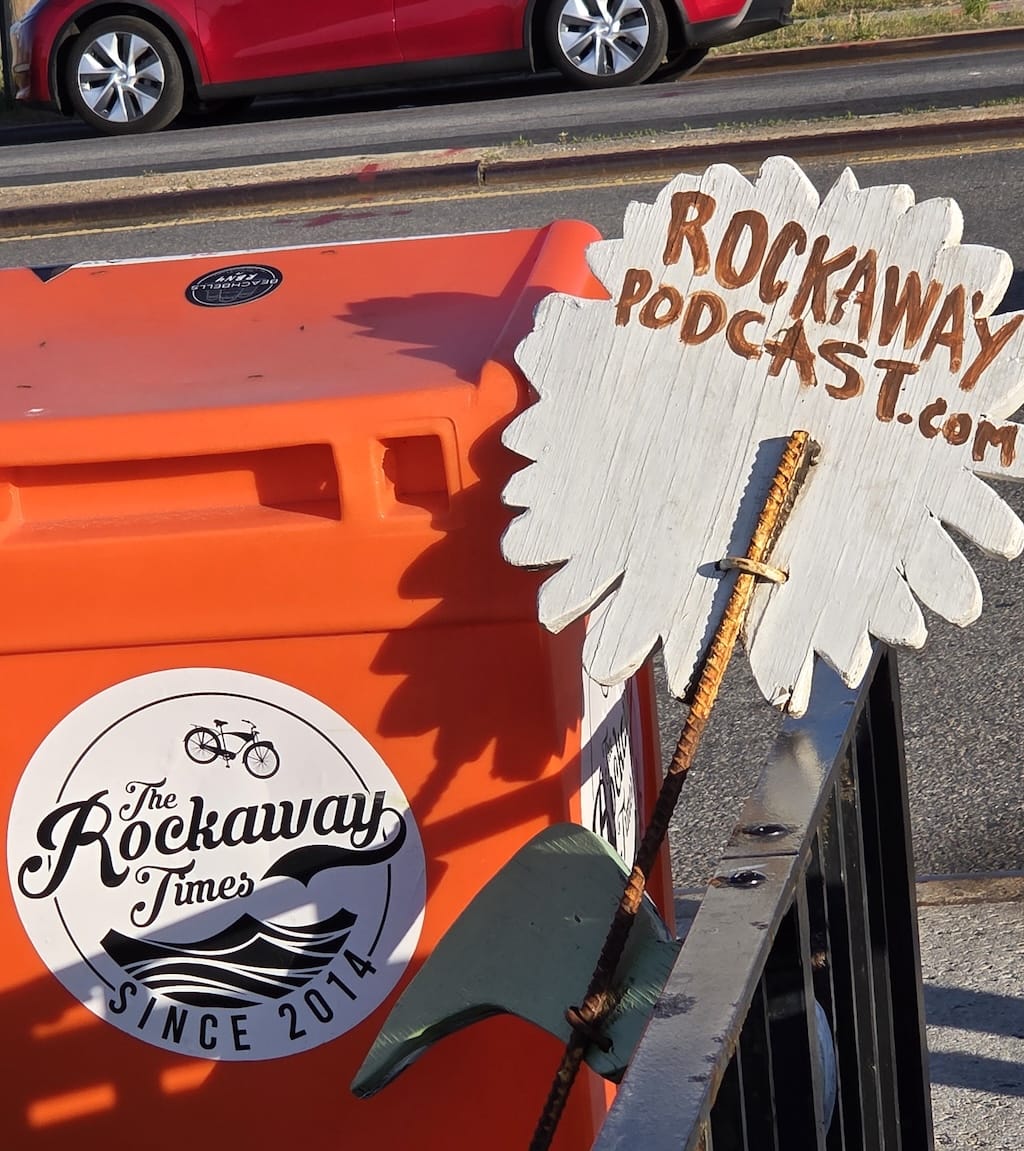
Similarly, the Rockaway Podcast serves as an outlier in marketing. By placing physical advertisements near local newspaper vending machines, the creators are rejecting the digital-only marketing funnel in favor of "in the wild" discovery. This "lo-fi" approach is an essential reminder that for local podcasts, community presence remains more effective than algorithmic targeting.

Implications for the Future of Podcasting
The current landscape suggests three major implications for the industry as we move into the next quarter:

1. The Rise of the "Mini-Series" within Feeds
As seen with The Adam Friedland Show, podcasts are increasingly using the "mini-series" model to experiment with new formats without alienating their core audience. By creating a temporary, themed show (like The Beautiful Pod) within a main feed, creators can test new genres, capitalize on current events, and keep their subscriber base engaged with fresh, high-intensity content.

2. The Professionalization of Personality
The success of Judgemental and The Louis Theroux Podcast demonstrates that celebrity-led audio is moving beyond the "hobbyist" phase. These productions are now highly polished, structured, and strategic, involving major media houses like Bauer Media. The implication is that independent creators looking to break through must now compete with studio-quality production values and professional marketing teams.

3. The "Niche is the New Scale"
While the charts are dominated by behemoths, the data from Ireland and the UK proves that listeners are increasingly seeking out podcasts that solve specific, highly personal problems. From neurodivergent nervous system regulation to niche hobbyist guides, the most sustainable growth is happening in the "long tail." Advertisers who can move away from mass-market metrics and toward these high-intent, hyper-focused communities will likely see the best return on investment.

Conclusion: The Evolving Listener Experience
The podcast industry is no longer in its "Wild West" phase. It has become a sophisticated media landscape where distribution deals are calculated, marketing is increasingly creative (as seen in the Rockaway experiment), and content is becoming more specialized.

As listeners, we are seeing a shift where the "casual listen" is being supplemented by highly targeted, value-driven audio. Whether it is a comedy show reacting to a World Cup game, a deep dive into the nuances of neurodivergence, or a debate on pop culture etiquette, the common thread is the search for connection. As we look ahead, the winners in this space will be those who can maintain this personal, human connection while leveraging the vast technological infrastructure that platforms like Spotify and Apple provide.

The podcasting medium continues to prove that it is one of the most flexible, resilient, and deeply personal forms of media ever invented. Whether through the massive, global reach of The Daily or the local, paper-advertised charm of Rockaway, the appetite for audio has never been more diverse or more insatiable. The next twelve months promise to be a period of intense experimentation, where the traditional boundaries of what a "podcast" can be will continue to stretch and redefine themselves.
 Asep Darmawan
 Jia Lissa
 Neng Nana
