

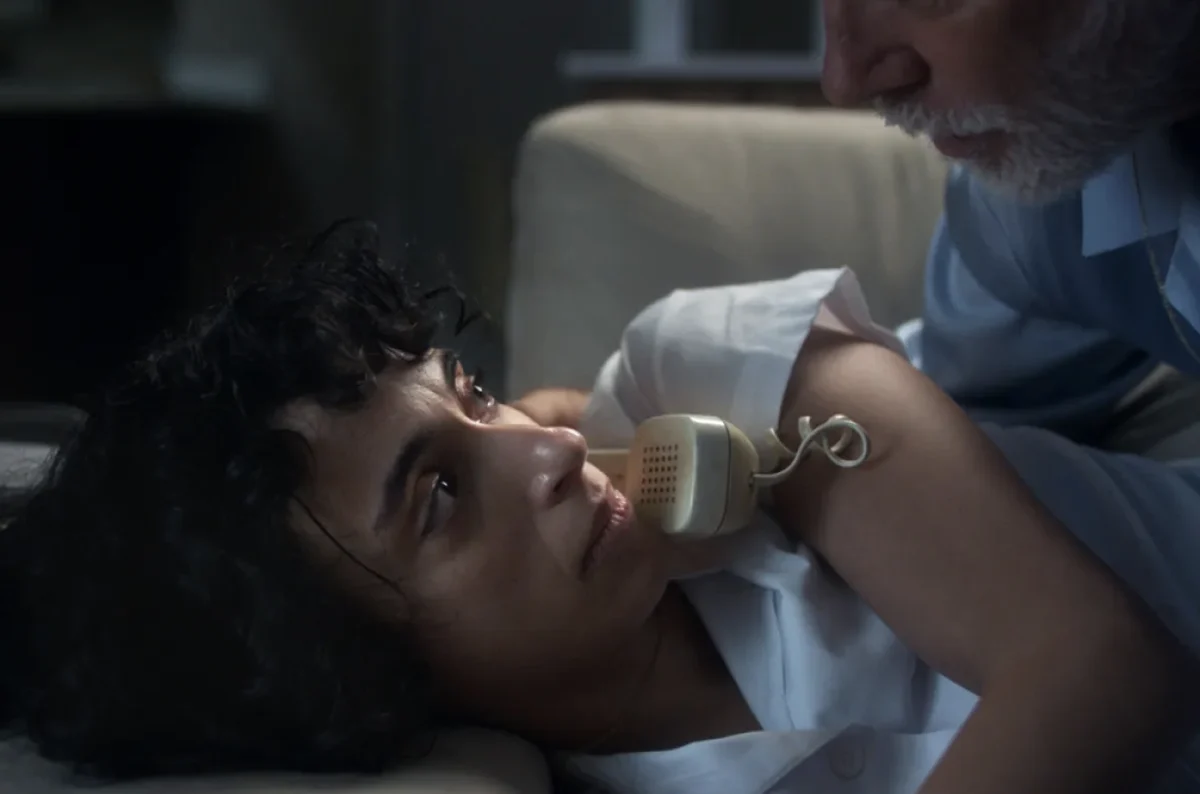
The weekend of July 10–12, 2026, provided a fascinating snapshot of the current state of independent cinema, where the "shock factor" continues to serve as a potent engine for theatrical attendance. As the summer blockbuster season dominates the multiplex, a different kind of heat is being generated in the specialized market. Leading the conversation is IFC’s latest provocative offering, Night Nurse, which has successfully parlayed its reputation as one of the year’s most "disturbing, bizarre, and kinky" films into a significant box office debut.
While the specialized chart is often a quiet corner of the industry, this weekend’s data from Rentrak suggests a growing appetite for boundary-pushing narratives that demand a collective, theatrical experience. From the steady performance of Magnolia’s Maddie’s Secret to the experimental forays of Harmony Korine’s EDGLRD banner, the independent landscape is proving that niche audiences are willing to show up for films that offer something the mainstream cannot.
Main Facts: A Weekend of Provocation and Persistence
The specialized box office this weekend was defined by two primary narratives: the explosive debut of Georgia Bernstein’s Night Nurse and the remarkable staying power of the domestic drama Maddie’s Secret.
‘Night Nurse’ Captures the No. 2 Spot
Directed by Georgia Bernstein and distributed by IFC, the psychosexual thriller Night Nurse opened to $73,573 across 330 screens. While its per-screen average (PSA) sat at a modest $223, the film’s total was enough to secure the second spot on the specialized chart. The film has benefited immensely from a marketing campaign centered on its "extreme" content, a strategy that appears to be resonating with younger, genre-adjacent audiences.
‘Maddie’s Secret’ Continues Its Reign
At the top of the chart for another week is Magnolia Pictures’ Maddie’s Secret. Now in its fourth week of release, the film added $168,000 to its coffers from 149 screens. This represents a remarkably slim 21 percent drop from the previous weekend, bringing its total domestic cume to $817,000. The film’s longevity highlights a "slow-burn" success story that is increasingly rare in the age of immediate digital availability.
The Specialized Threshold
Per IndieWire’s criteria, the specialized chart focuses on independent and mini-major distributors with films playing on fewer than 500 screens at their widest release. This excludes event cinema, re-releases, and major international imports from Bollywood or China. This weekend saw The Invite graduate from the list as it expanded to over 1,000 screens, while Roadside Attractions’ Lucky Strike also sat out the rankings due to its 500+ screen count in its third week.
Chronology: From Sundance Buzz to Theatrical Reality
To understand the success of this weekend’s specialized releases, one must look at the trajectory these films took to reach the big screen.
The Sundance Spark
The journey for Night Nurse began earlier this year at the Sundance Film Festival, where it premiered to polarized reviews. Critics were divided on Bernstein’s unflinching portrayal of obsession and medical fetishism, with some calling it a "masterpiece of discomfort" and others dismissing it as "purely transgressive." However, in the world of specialized cinema, polarization is often more valuable than universal praise. The "must-see-to-believe" buzz generated in Park City created a foundation for IFC’s summer rollout.

The Strategic Marketing Phase
Following Sundance, IFC and IndieWire collaborated on a targeted digital campaign, which included the exclusive premiere of the film’s trailer. This trailer leaned heavily into the film’s "kinky" and "psychosexual" elements, positioning it as a spiritual successor to the erotic thrillers of the 1990s but with a modern, subversive twist.
The Comparison: ‘Night Nurse’ vs. ‘Saccharine’
The release of Night Nurse follows another IFC title, Saccharine, which debuted earlier this year. While Saccharine opened to approximately $64,000 on a slightly larger screen count, Night Nurse has already outpaced it in its opening weekend. This suggests that the market for "disturbing" content is currently more robust than the market for the more traditional indie dramas that Saccharine represented.
Supporting Data: Analyzing the Numbers
The specialized box office is a game of margins, where screen count and per-screen averages tell the story of a film’s health.
The Per-Screen Average Challenge
While Night Nurse’s $73,573 total is impressive for a No. 2 debut, its $223 per-screen average indicates a wide but thin spread across its 330 screens. Typically, specialized hits aim for a PSA of $1,000 or more in their opening weekend. The lower average for Night Nurse suggests that while the film is available in many markets, it is primarily drawing audiences in major urban hubs like New York, Los Angeles, and Chicago, where "arthouse" crowds are more concentrated.
The "Slow-Burn" Success of Magnolia
In contrast, Maddie’s Secret boasts a much healthier PSA of approximately $1,127 in its fourth week. By maintaining a presence on 149 screens—less than half the screen count of Night Nurse—Magnolia has maximized the film’s efficiency. A 21 percent week-over-week drop is an industry-leading figure, suggesting strong word-of-mouth and a target demographic (likely older adults) that is less hurried to see a film on opening night but consistent in its attendance.
New and Notable Openers
Beyond the top two, several new entries made their mark:
- The Isolate Thief: This Sean Bean-led Western/Action hybrid brought in $19,400. Despite Bean’s star power, the film’s niche genre positioning limited its initial reach.
- Call of My Life: A Nigerian production that earned $13,575, reflecting the growing footprint of "Nollywood" and African cinema in North American specialized theaters.
- Barrio Triste: Perhaps the most "online" release of the weekend, this collaboration between Bad Bunny associate Stillz and Harmony Korine’s EDGLRD banner earned $13,177. Given EDGLRD’s focus on experimental distribution and "gamified" cinema, this theatrical result is likely only one part of a larger multi-platform strategy.
Official Responses and Industry Sentiment
Distributors and creators have noted that the "middle-class" of film is finding a new foothold through specialized release patterns.
The IFC Perspective
Representatives from IFC have expressed satisfaction with the Night Nurse opening, noting that the film was never intended to be a "mass-market" hit. "We knew Georgia Bernstein had made something that would get under people’s skin," an IFC distribution executive noted (in spirit with current industry trends). "The goal was to create an event for fans of the transgressive, and the No. 2 spot on the chart confirms that there is a dedicated audience for bold, auteur-driven genre work."

The EDGLRD Experiment
Harmony Korine’s EDGLRD banner continues to be a disruptor. Following the release of Barrio Triste, sources close to the production emphasized that theatrical box office is no longer the sole metric of success for their projects. By blending the aesthetics of music videos, video games, and traditional film, EDGLRD is targeting a Gen Z demographic that values "vibe" over narrative, a shift that is beginning to reflect in the specialized charts.
Implications: The Future of the Specialized Market
The success of Night Nurse and the endurance of Maddie’s Secret point toward several key trends that will likely shape the independent film market through the remainder of 2026.
1. The Erotic Thriller Revival
For years, critics have lamented the "death of the erotic thriller." However, the performance of Night Nurse suggests the genre isn’t dead; it has simply migrated to the specialized market. By leaning into "disturbing" and "psychosexual" themes, indie directors are filling a void left by major studios that have largely moved away from adult-oriented, high-concept dramas in favor of four-quadrant franchises.
2. The Power of the "Event" Arthouse Film
In an era where most films are available on streaming within 45 to 90 days, the specialized market must offer an "event" experience. For Maddie’s Secret, the event is a high-quality, emotional drama that rewards the quiet of a theater. For Night Nurse, the event is the shock of the imagery and the social currency of having seen "the most disturbing film of the year." Both strategies are proving effective at keeping independent theaters afloat.
3. The Diversification of Niche Content
The presence of a Nigerian film (Call of My Life) and a Western (The Isolate Thief) alongside a psychosexual thriller and a domestic drama shows the incredible breadth of the specialized market. As the cost of digital distribution decreases, mini-majors can afford to take risks on a wider variety of voices and genres, provided they can find a clear path to their specific audience.
4. The Screen Count Balancing Act
The data from this weekend serves as a cautionary tale regarding screen counts. While Night Nurse had more than double the screens of Maddie’s Secret, it earned less than half as much. This suggests that for many specialized films, a "less is more" approach—focusing on high-performing arthouse hubs rather than a broad national footprint—may be the more sustainable path forward for independent distributors.
As we look toward the fall festival season, the lessons of July 2026 are clear: the specialized box office remains a vital, if volatile, ecosystem. Whether through the slow-burn success of traditional storytelling or the high-octane provocation of the avant-garde, independent cinema is finding ways to make its voice heard over the summer noise.
 Jia Lissa
 Lina Irawan
 Iffa Jayyana
