

The podcasting landscape continues to evolve at a breakneck pace, driven by a convergence of technological innovation, shifting listener demographics, and a relentless pursuit of high-quality storytelling. As the medium matures, the divide between casual hobbyist production and professional-grade, data-driven content is widening. This week, we examine the latest movements across the industry, from the mechanics of successful guest pitching to the shifting hierarchies of the global podcast charts.
Main Facts: The Current State of the Audio Ecosystem
The podcast industry is currently undergoing a "professionalization phase." Creators are no longer just focused on content; they are increasingly obsessed with the technical infrastructure of discoverability and monetization.
Central to these developments is the ongoing discourse around RSS—the backbone of the open podcasting ecosystem. As platforms like RSS.com continue to innovate, the industry is witnessing a push for more robust, standardized data analytics. This is critical for creators who need to prove their value to advertisers in an increasingly competitive marketplace.
Simultaneously, the industry is seeing a surge in niche, high-production value shows that target specific "oddity" markets. Shows like The Box of Oddities exemplify this trend, proving that deep dives into strange, obscure, and historical mysteries retain a loyal and highly engaged audience. The intersection of artificial intelligence, as discussed on the New Media Show, and traditional broadcasting also suggests that the next wave of podcasting will be defined by hybrid workflows—blending automated transcription and AI-assisted editing with human-led editorial rigor.

Chronology: A Week in the Life of Podcasting
The past seven days have been marked by a flurry of activity across various sectors of the audio industry:
- Early Week: The New Media Show hosted a high-profile discussion featuring Inception Point AI’s Jeanine Wright and tech luminary Robert Scoble. The conversation centered on the existential implications of AI for audio production and distribution.
- Mid-Week: The ALFsplaining podcast made a triumphant return, confirming a sprint of new episodes to wrap up the current season. The production team highlighted a blend of archival deep-dives and contemporary interviews, showcasing the enduring appeal of 1980s pop culture analysis.
- Late Week: Data trackers confirmed a shift in the Apple Podcasts and Spotify charts. The Daily continues to maintain its stronghold in the United States, while The Joe Rogan Experience remains the dominant force on the Spotify platform.
- The Weekend: Industry discourse turned toward "Podcasts in the Wild," with viral images of real-world marketing campaigns—such as Acast’s high-visibility branding—sparking debates about the necessity of offline promotion in a digital-first economy.
Supporting Data: Charting the Audio Giants
Data remains the lifeblood of the industry. The following snapshot provides a look at the current dominance of major titles across key territories:

Apple Podcasts (United States)
- The Daily: Holding steady at #1. Its dominance underscores the continued listener appetite for daily, high-frequency news summaries.
- The Diary of a CEO with Steven Bartlett: Consistently charting in the top tier, reflecting the shift toward personality-driven long-form interviews that prioritize vulnerable, deep-dive conversations.
Spotify (United States)
- The Joe Rogan Experience: Despite competition from emerging platforms, the sheer volume of reach commanded by this show continues to set the ceiling for the industry.
Global Market Trends
- Ireland: A notable rise in the "Courses" category, with Art history: modern and contemporary experiencing the largest single-week gain, suggesting a growing interest in educational, "edutainment" style podcasts.
- United Kingdom: Abroad in Japan continues to lead the "Places & Travel" category, highlighting the strength of travelogues that lean into hyper-specific regional expertise.
Official Responses and Industry Commentary
The industry is currently in a state of self-reflection. During the recent New Media Show broadcast, guests emphasized that the "AI revolution" is not a replacement for human creativity but rather a tool to lower the barrier to entry. Jeanine Wright noted that the efficiency gains in metadata tagging and search optimization could effectively double the discovery rate for independent podcasters.
Conversely, the team at Buzzcast—joined by Alex Sanfilippo of PodMatch—took a more practical, human-centric approach. Sanfilippo argued that while AI can help with logistics, the "art of the pitch" remains purely human. His advice for guests looking to land spots on major shows focuses on three pillars:

- The Perfect Profile: Ensuring that guest bios are tailored for the host, not the audience.
- The Strategic Pitch: Crafting an email that highlights the "value gap" the guest fills for the host’s specific demographic.
- The "Yes" Factor: Making it logistically effortless for a host to book the guest, including providing pre-written promotional copy.
Implications: Where the Industry Goes From Here
The trends observed this week suggest three major implications for the future of the medium:
1. The Death of the "Generic" Podcast
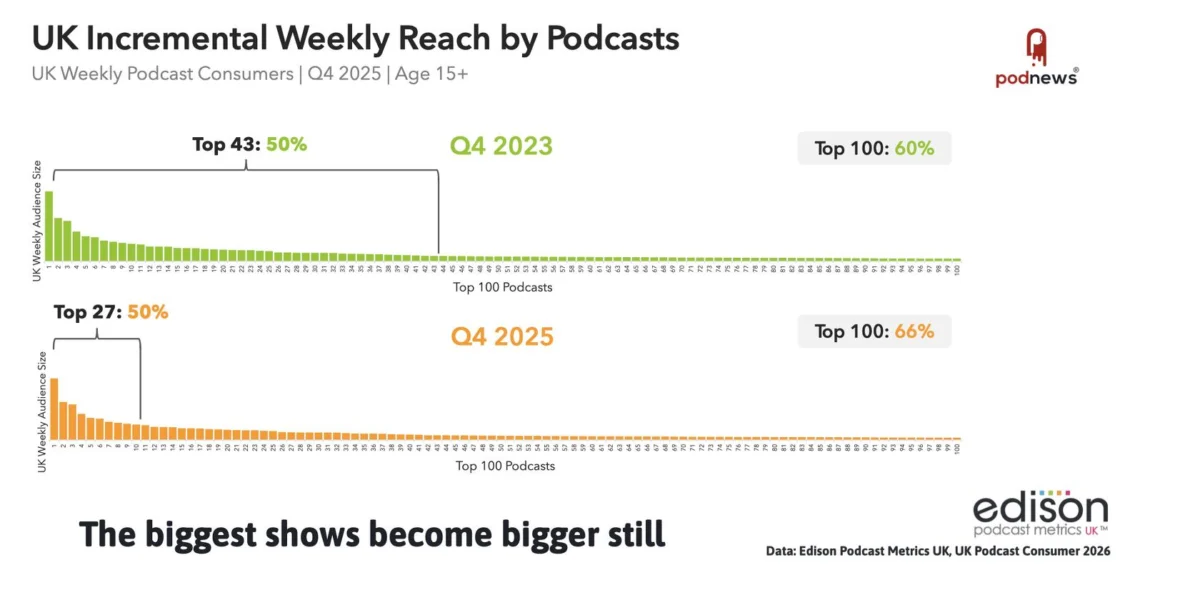
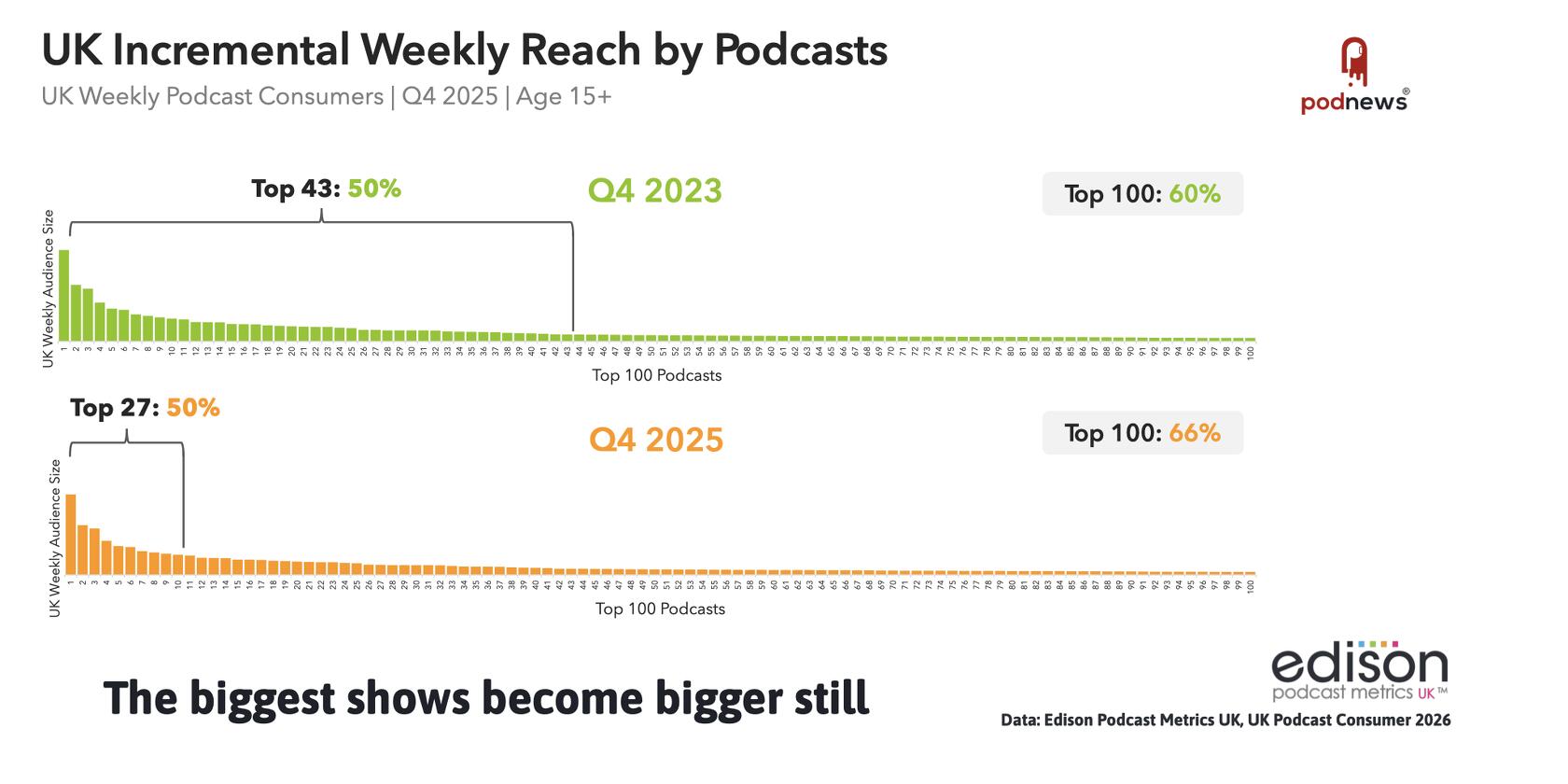
The success of shows like ALFsplaining and The Box of Oddities highlights that broad-appeal content is becoming less effective than hyper-niche programming. The "long tail" of podcasting is where the real growth is happening. Advertisers are beginning to realize that a 50,000-listener audience focused on a single obscure topic is often more valuable than a 500,000-listener audience with no specific interests.

2. The Marketing Paradox
The "Podcasts in the Wild" phenomenon—where physical marketing for podcasts is appearing in public spaces—is an interesting anomaly. In an era where digital ad spend is becoming increasingly expensive and difficult to track (due to privacy changes like Apple’s App Tracking Transparency), companies like Acast are returning to physical, real-world branding to build brand equity. We expect to see more "Real World" activations in 2025.
3. The Analytics Arms Race
With tools like the ones provided by RSS.com and the integration of advanced metrics, the industry is moving toward a standardized "Currency of Attention." Creators who can provide granular data on completion rates and listener retention are going to command significantly higher CPMs (Cost Per Mille) than those relying on simple download numbers.

Conclusion: The Path Ahead
As we look toward the remainder of the year, the podcasting industry is clearly maturing. The wild west era of the early 2010s has been replaced by a sophisticated, data-rich ecosystem where technical infrastructure, strategic guest pitching, and niche-audience targeting are the keys to success.
For the independent creator, the message is clear: utilize the technological tools available to handle the "grunt work" of production, but double down on the human elements—the unique perspectives, the specialized knowledge, and the art of the pitch. Whether you are producing an educational series in Ireland or a pop-culture retrospective in the U.S., the fundamental truth remains: quality, consistency, and a deep understanding of your specific audience are the only reliable paths to long-term sustainability in the audio space.

As more creators adopt these strategies, the industry will continue to shift, forcing platforms and advertisers to adapt alongside them. We remain committed to tracking these shifts, providing the data, the insights, and the stories that define the pulse of the podcasting world. Stay tuned.
 Neng Nana
 Asro
Asro
 Nana Muazin
