

This story is part of The Oeno Files, our weekly insider newsletter to the world of fine wine.
For decades, the global hierarchy of sparkling wine was rigid and undisputed: Champagne sat at the pinnacle, with the rest of the world fighting for the scraps of prestige. However, a quiet revolution has been bubbling away in the Pacific Northwest. Oregon, a region long defined by its terrestrial, earthy Pinot Noir and its crystalline Chardonnay, is increasingly being heralded as the "Champagne of America."
This is not merely a regional marketing slogan. It is a technical, cultural, and viticultural shift that has transformed the state from an emerging curiosity into a powerhouse of traditional-method sparkling production. With a trade organization, "Method Oregon," now boasting 55 member wineries, the Beaver State is officially signaling its intent to challenge the status quo.
The Core Foundations: Climate, Soil, and Science
The secret to Oregon’s meteoric rise lies in a fortuitous convergence of geography and biology. The Willamette Valley, the heart of the state’s wine industry, possesses a cool-climate profile that is essential for the production of world-class sparkling wine.
“The Willamette Valley’s cooler climate creates ideal conditions for producing high-quality traditional method sparkling wines,” explains Terry Culton, director of winemaking and vineyards at Domaine Willamette. “The cooler weather allows for an extended growing season and a slower ripening curve, which is the exact condition needed to pick fruit at the optimal maturity level while retaining the sharp, vibrant acidity that is the backbone of any great bubble.”
Unlike warmer regions where grapes can become over-ripe, leading to flabby base wines, Oregon’s diurnal temperature swings ensure that grapes maintain a balanced pH and moderate sugar levels. This precision viticulture—coupled with the state’s diverse volcanic and sedimentary soil types—provides a complex foundation that winemakers are now leveraging with surgical expertise.
A Chronology of Bubbles: From Argyle to the Modern Era
The history of Oregon sparkling wine is a story of evolution. It began in the 1980s, when pioneer Rollin Soles founded Argyle. At the time, the idea of producing world-class sparkling wine in Oregon was considered audacious, if not foolhardy. Yet, Soles’ early successes planted the seeds for what would become a massive industry shift.
“While there are distinct differences in soil and climate compared to France, the quality of Oregon sparkling wine has evolved significantly since the early days,” notes Levi Seed, director of hospitality and head sommelier at the Joel Palmer House Restaurant.

By 2015, the landscape had shifted further as established houses like Rex Hill began to pivot. Rex Hill, known for over four decades for its still wines, introduced its first sparkling program that year. Today, executive winemaker Michael Davies oversees a sophisticated lineup including a brut-style Grand Cuvée, a rosé, a Blanc de Blancs, and a Blanc de Noirs. The transition for many producers has been marked by a move away from simple experimentation toward rigorous, science-based aging protocols. Modern producers are not just "making bubbles"; they are engaging in complex en tirage aging and selecting specific vineyard blocks to highlight distinct terroir, effectively operating decades ahead of the standards set in the 20th century.
Supporting Data: The Method Oregon Standard
The formalization of the industry reached a critical milestone with the creation of Method Oregon. This trade organization acts as a guardian of quality, providing a certification mark that is rapidly becoming the gold standard for consumers.
To bear the "Method Oregon" seal, a wine must meet three non-negotiable criteria:
- 100% Oregon Provenance: Every grape must be grown and the wine must be produced within the state.
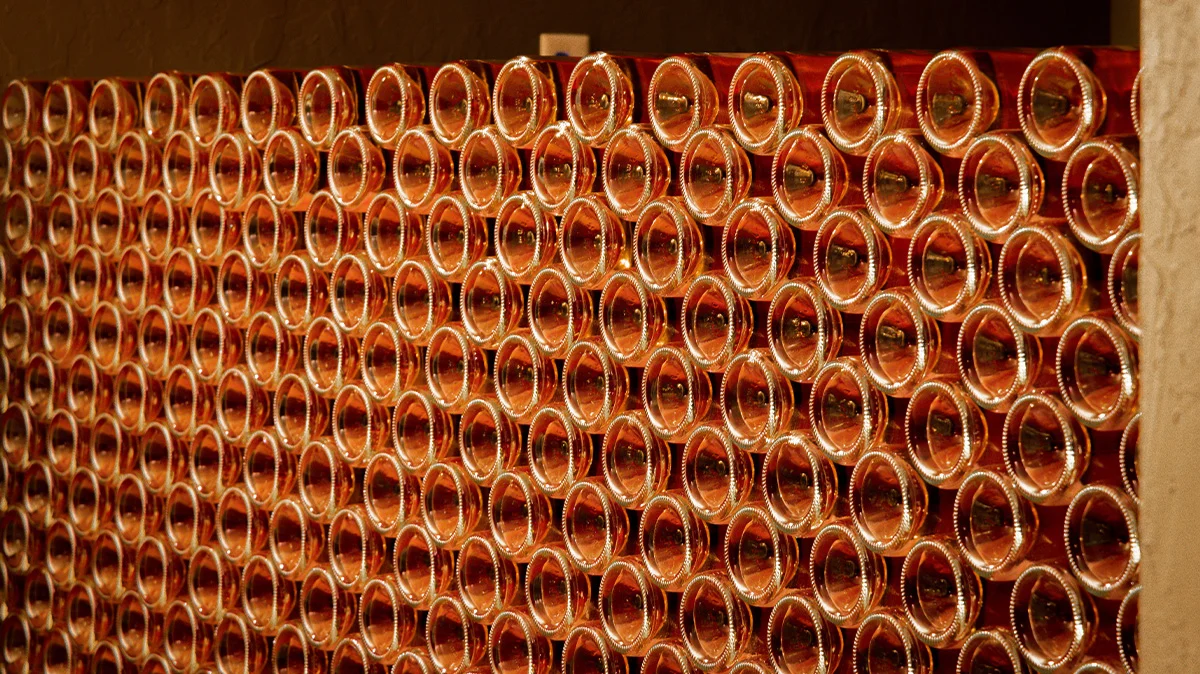
- Traditional Method: Secondary fermentation must occur strictly within the bottle, ensuring the fine, persistent mousse associated with high-end sparklers.
- Rigorous Aging: The wine must be aged en tirage (on the lees) for a minimum of 24 months.
“It’s a visual shorthand for one of the world’s most rigorous base standards for traditional method sparkling production,” says Jeanne Feldkamp, co-founder and co-winemaker of Corollary Wines and a founding board member of the organization. By enforcing these standards, the organization has effectively raised the floor for the entire region, ensuring that "Oregon Sparkling" is synonymous with excellence.
Official Perspectives: The Collaborative Spirit
One of the most distinct features of the Oregon wine industry is its lack of cutthroat competition. In many of the world’s prestigious regions, proprietary techniques are kept behind lock and key. In Oregon, the culture is one of open-source knowledge sharing.
Leah Adint, head winemaker at Erath Winery, emphasizes that this collaborative ethos is the state’s greatest asset. "We work together to find the right vineyards, the right techniques, and the right blend of varieties," Adint says. "Our tide of intention and quality is raising all ships."
Adint’s work with her La Lumière Magique cuvée—sourced from a single vineyard in the Eola-Amity Hills—is a testament to this intention. She employs specific farming practices, such as maintaining higher canopy yields to protect grapes from sunburn and slow the ripening process, ensuring the fruit is purpose-grown for sparkling wine rather than just "leftover" still wine grapes.
This sentiment is echoed by Feldkamp of Corollary Wines. "By regularly gathering for technical tastings and winemaking discussions, we all learn from each other and work together to keep raising the bar on quality for the entire region," she adds.

Implications: The Global Stage
The final arbiter of any wine region’s success is the market, and the nation’s top sommeliers are taking note. Alexandra Lanoue, wine director at the legendary Canlis in Seattle, has become a vocal champion of the region.
"Corollary’s 2021 Cuvée One Brut is pushing the industry forward in an inspiring way," Lanoue says. "I’m looking for length, freshness, and tension on the palate, and these wines deliver that in spades." She points to the incredible versatility of Oregon bubbles, suggesting they pair as perfectly with fried chicken and caviar as they do with traditional Dungeness crab cakes.
The implications for the broader wine market are significant. As the cost of premium Champagne continues to climb, and as climate change forces traditional European regions to rethink their viticultural practices, Oregon is perfectly positioned to offer a compelling alternative. It is not trying to be Champagne; it is offering an Oregonian expression that is defined by the unique volcanic soils of the Willamette Valley and the relentless, collaborative pursuit of perfection by its winemakers.
As Tim Holst, lead sommelier at Jory at the Allison Inn & Spa, observes, "The depth of knowledge, research, and talent being invested suggests Oregon is poised to become one of the world’s premier sparkling wine regions."
For the consumer, the takeaway is clear: the next time you are looking for a bottle to celebrate a milestone, look past the traditional French imports. The future of sparkling wine is currently being bottled in the Pacific Northwest, and it is every bit as world-class as the history books would have you believe.
Do you want access to rare and outstanding reds from Napa Valley? Join the Robb Report 672 Wine Club today.
 Lina Hope
 Ali Ikhwan
