

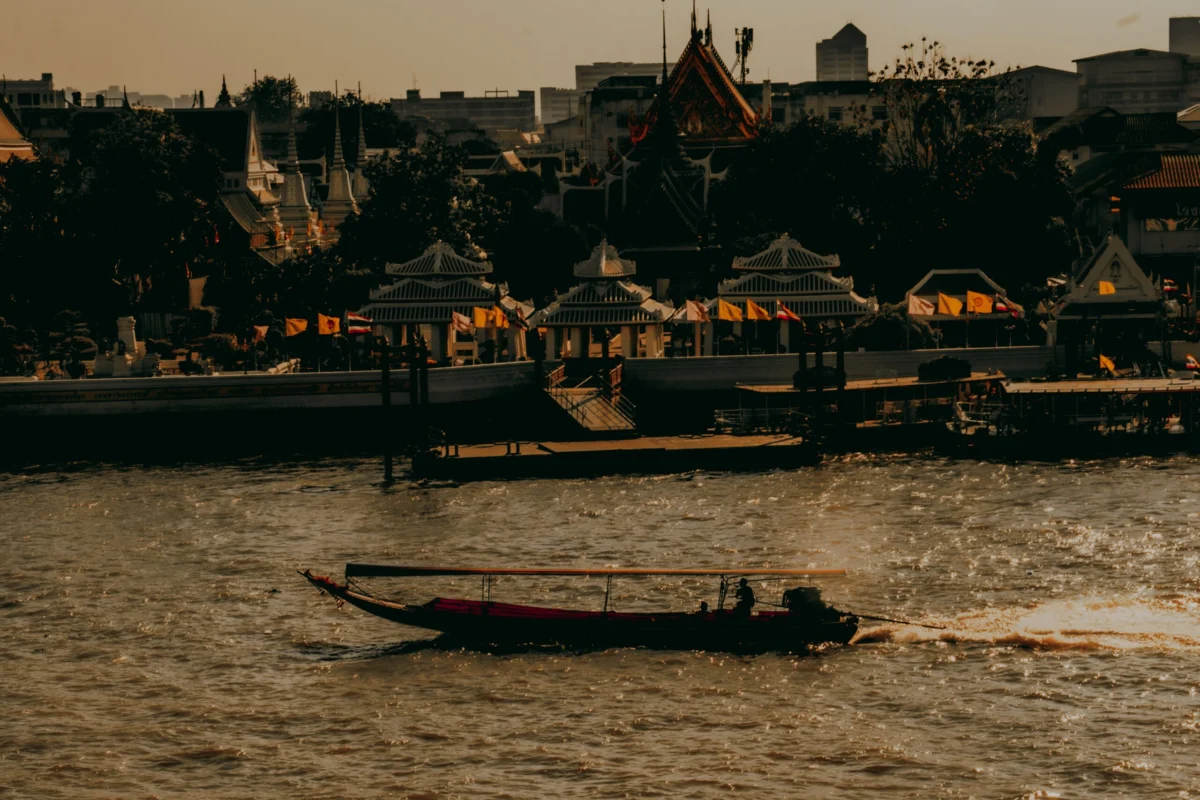
For centuries, the Chao Phraya River—known affectionately to the Thai people as the "River of Kings"—served as the pulsating heart of the Kingdom of Siam. It was a lifeline of commerce, culture, and spirituality. Yet, as Bangkok exploded into a 21st-century megalopolis defined by glass skyscrapers, relentless traffic, and neon-lit shopping malls, the river’s historic banks were largely left behind, relegated to the shadows of a futuristic urban sprawl.
However, a profound transformation is currently underway. A new generation of architects, restaurateurs, and preservationists is reclaiming the Chao Phraya, turning once-forgotten waterfront zones into the most vibrant, creative, and culturally significant districts in Southeast Asia. This is not merely a restoration; it is a reinvention of the Thai capital.
The Soul of the City: A Return to the Water
The spiritual significance of the Chao Phraya cannot be overstated. As Jern, a prominent Bangkok-based interior designer, explains, "As a Thai, I was always taught to respect the water goddess, Phra Mae Khongkha. She is associated with purification and fertility. We are taught that we can live without electricity, but water is our first resource."

This philosophy is driving the current resurgence. After a decade of observing the city’s pivot toward the concrete jungle, locals and visitors alike are finding solace in the riverfront’s open spaces and historical depth. The preservation of the river has become a symbol of Bangkok’s desire to balance its rapid modernization with its deep-rooted heritage.
A Chronology of Renewal
The revival of the Chao Phraya is a phenomenon that has accelerated significantly over the past five years.
- 1876: The opening of the Mandarin Oriental, Bangkok, establishing the river as a hub for literary icons and international travelers.
- 1950s–2010s: A period of decline as Bangkok’s center of gravity shifted eastward, leaving the riverside districts relatively abandoned.
- 2018–2021: The "Accidental Pioneers" era. Chef Pam and her partners began transforming a 115-year-old herbal medicine store into the Michelin-starred restaurant Potong, serving as a catalyst for the revitalization of the Chinatown waterfront.
- 2024–2025: A cultural explosion. The opening of the Bangkok Kunsthalle and the refurbishment of historical landmarks, such as the 1888 Custom House (The Langham), signaled that the riverside had become the city’s new creative core.
- 2026 and Beyond: Continued infrastructure development, including proposed pedestrian bridges and expanded ferry services, aimed at integrating the river districts into the daily life of the metropolis.
Supporting Data: The Riverside Economy
The economic implications of this shift are tangible. Neighborhoods like Talat Noi and Soi Song Wat have seen a dramatic increase in foot traffic, necessitating the widening of sidewalks that were once quiet back alleys.

According to local tourism stakeholders, the number of creative outposts—ranging from boutique fashion ateliers and perfumeries to art galleries—has tripled in the river-adjacent blocks of Song Wat Road since 2022. Furthermore, the hospitality sector has seen a surge in investment. Projects like the restoration of the Custom House into a luxury hotel demonstrate that international capital is betting on the long-term viability of the riverside as a premium destination.
Perspectives from the Pioneers
Daniel Fraser, a long-time Bangkok resident and founder of the boutique tour company Smiling Albino, views this movement as the dawn of a new "Golden Age."
"I remember when the river districts felt abandoned," Fraser says. "Now, we’re experiencing a resurgence. It’s transitioning from a forgotten historical zone to an active, essential part of the city."

This sentiment is echoed by Chef Pam, whose work in Chinatown has been instrumental in changing the area’s reputation. "When my family first showed us the old shop in 2018, the neighborhood was all shoe vendors and wholesale suppliers. There wasn’t even a coffee shop. Friends thought we were crazy to set up here," she recalls. Today, that same area hosts over a hundred restaurants and cafes, proving that cultural preservation can be a powerful engine for urban renewal.
Implications for Future Urban Development
The "Chao Phraya Renaissance" has significant implications for how Bangkok will evolve.
1. The Preservation vs. Gentrification Dilemma
While the influx of high-end galleries and Michelin-starred restaurants brings investment, preservationists remain vigilant. The challenge lies in maintaining the "earthy" charm of the river—the small, family-run noodle shops and traditional herbal stores—while accommodating the modern, high-design establishments that define the current trend. The goal, according to local designers, is to ensure that the river remains an inclusive space for all, not just an enclave for the wealthy.

2. Environmental Stewardship
The movement has also sparked a renewed focus on the river’s health. As the "Green Lung" of Bangkok (Bang Kachao) continues to be protected as a vital urban forest, there is increasing pressure on city planners to maintain the water quality of the Chao Phraya and its surrounding klongs (canals). The reverence for Phra Mae Khongkha is no longer just a religious sentiment; it is becoming a civic priority.
3. Cultural Synthesis
The blending of the old and new is the hallmark of the current era. From the Mustang Blu hotel—which houses animal skeletons in a colonial-era building—to the Opium Bar, which uses traditional Thai ingredients like sticky rice liquor in sophisticated cocktails, the city is finding a way to honor its history without becoming a museum.
A City Transformed
As the sun sets over the Chao Phraya, illuminating the 226-foot-tall golden statue of the Big Buddha at Wat Paknam Phasi Charoen, the scene is one of quiet majesty. The juxtaposition is striking: the "City of Angels" is no longer just a place of neon and traffic; it is a place where one can drift through a serene canal, visit a century-old temple, and then toast the future from a 64th-floor rooftop with a "Hangovertini."

The creative tension between the traditional and the modern is not a sign of conflict, but rather the engine of Bangkok’s enduring charm. For those who venture down the alleys of Talat Noi or bike the car-free paths of Ko Kret, it is clear: the Chao Phraya has reclaimed its title as the soul of the city.
As the writer Somerset Maugham once famously noted, it is truly a wonder that "anything so fantastic could exist on this somber earth." Bangkok’s current trajectory suggests that the river’s future will be just as full of unexpected twists, turns, and beauty as its storied past. Whether you are seeking the quietude of a morning ritual at a riverside temple or the high-octane energy of a Chinatown cocktail bar, the Chao Phraya offers a depth of experience that is impossible to replicate. The rebirth of the river is complete, and the world is invited to witness it.
 Laily UPN
 Lina Irawan
