

For the dedicated skier or snowboarder, the difference between a mediocre season and a legendary one often boils down to a single, powerful meteorological phenomenon: El Niño. As we head into the heart of the 2026–2027 winter, the return of a "Super" El Niño—a climate pattern defined by significantly warmer-than-average ocean temperatures in the tropical Pacific—has sent shockwaves through the meteorology community and excitement through the mountain towns of the American West.
With NOAA estimating a 90% or greater probability of a very strong event as of January 2027, and a 69% likelihood of this being the strongest cycle recorded since 1950, the stakes for this season could not be higher. For those planning their winter getaways, understanding how this massive shift in the jet stream will impact snow distribution is no longer just a "nerdy" weather detail; it is the most vital piece of trip-planning intel for the year.
The Science of the Shift: Why El Niño Matters
The El Niño climate pattern works by fundamentally altering the atmospheric highway known as the Pacific jet stream. Typically, this current dictates where winter storms track across the United States. Under normal conditions, the jet stream is somewhat unpredictable; during an El Niño year, however, it tends to shift southward.

This southern migration acts as a conveyor belt, steering a succession of moisture-heavy winter storms toward the Southern United States, California, and the southern Rockies. For mountains in these latitudes, the result is often a "dump" of legendary proportions. Conversely, the Northern Rockies and the Pacific Northwest often find themselves warmer and drier, as the storm track bypasses their usual playground. In the Northeast, the impact is more nuanced, often resulting in a reliance on coastal "Nor’easters" rather than consistent cold fronts, making the season a volatile toss-up.
Chronology: A Season Off to a Fast Start
While meteorologists often look at the mid-to-late winter months as the peak for El Niño’s influence, the 2026–2027 season began with a roar. October saw significant, widespread snowfall across the Sierra Nevada, the Great Basin, and the Central-to-Southern Rockies.
These early-season accumulation numbers have been interpreted by experts at NOAA and AccuWeather as a direct signal of a highly active, southerly-focused storm track. Historically, when the pattern begins this aggressively, it suggests that the atmospheric "bridge" connecting the tropical Pacific to the North American mountains is fully operational. As we look toward the remainder of the season, the focus remains on whether these early-season markers will sustain their momentum through the critical February and March windows, which historically provide the best coverage for resorts in the Southwest.

Supporting Data and Expert Outlooks
The forecast for this season is backed by a convergence of high-level modeling from institutions like the Weather Channel, SnowSure, and NOAA. While no climate model is perfect, the consensus suggests that the "Super" designation of this El Niño is not hyperbole.
According to data from Mountain Marker, the Southern California and Southern Rockies regions are currently poised to see precipitation levels significantly higher than their historical averages. For example, some projections for the Sierra Nevada suggest a potential for 186% to 256% of normal snowpack during the height of the cycle. However, the data also highlights the "wildcard" nature of this winter: while the moisture is there, the temperature-to-precipitation ratio remains the deciding factor for whether these storms fall as light, fluffy powder or heavy, wet cement.
The 7 Mountains to Watch This Season
Based on the current meteorological outlook, here are the seven resorts where the intersection of climate patterns and geography creates the most potential for a banner year.

1. Mammoth Mountain, California
Rising to a summit of 11,053 feet, Mammoth is the quintessential beneficiary of a southerly-shifted jet stream. With 3,500 acres of terrain, it is a massive playground for both experts and beginners. Last season was a disappointment for many, but with the current forecast, Mammoth is in a prime position to reclaim its reputation for deep, sustained powder days. Plan your trip between mid-January and March for the highest probability of hitting that sweet spot of moisture.
2. Palisades Tahoe, California
Straddling the north shore of Lake Tahoe, this resort offers a diverse mix of steep bowls and wide-open cruisers. Because the El Niño track is expected to push storms directly into the Sierra, Palisades is an incredibly strong bet. With 6,000 acres of terrain, even if the crowds increase due to the forecast, there is plenty of room to find your own private stash of fresh snow.
3. Taos Ski Valley, New Mexico
Often overlooked, Taos is having its moment in the sun—or rather, the snow. Tucked into the Sangre de Cristo Mountains, this resort thrives when the southern storm track is active. The high base elevation of 9,207 feet ensures that the snow stays cold and light, often rivaling the quality found in Utah. A trip here is not just about the skiing; the blend of Adobe architecture, high-desert culture, and world-class chutes makes it a unique winter destination.
.jpg)
4. Telluride, Colorado
Telluride is a destination that justifies the travel time even in a bad year. However, this season, the San Juan Mountains in southern Colorado are looking at a potentially favorable setup. The historic, walkable town and the free gondola connecting it to Mountain Village provide a level of charm that is hard to beat. Late October through December, and again in March/April, are the windows to watch, according to OpenSnow.
5. Arizona Snowbowl, Arizona
If you want a wildcard, this is it. Perched on the San Francisco Peaks, Snowbowl is a high-altitude gem. During the 2023–24 El Niño, it stayed open until June 1st, serving as a masterclass in how this weather pattern can transform a desert-adjacent mountain. With its large beginner terrain and deep base potential, it is an ideal spot for those looking for a non-traditional ski trip that might just yield record-breaking snow totals.
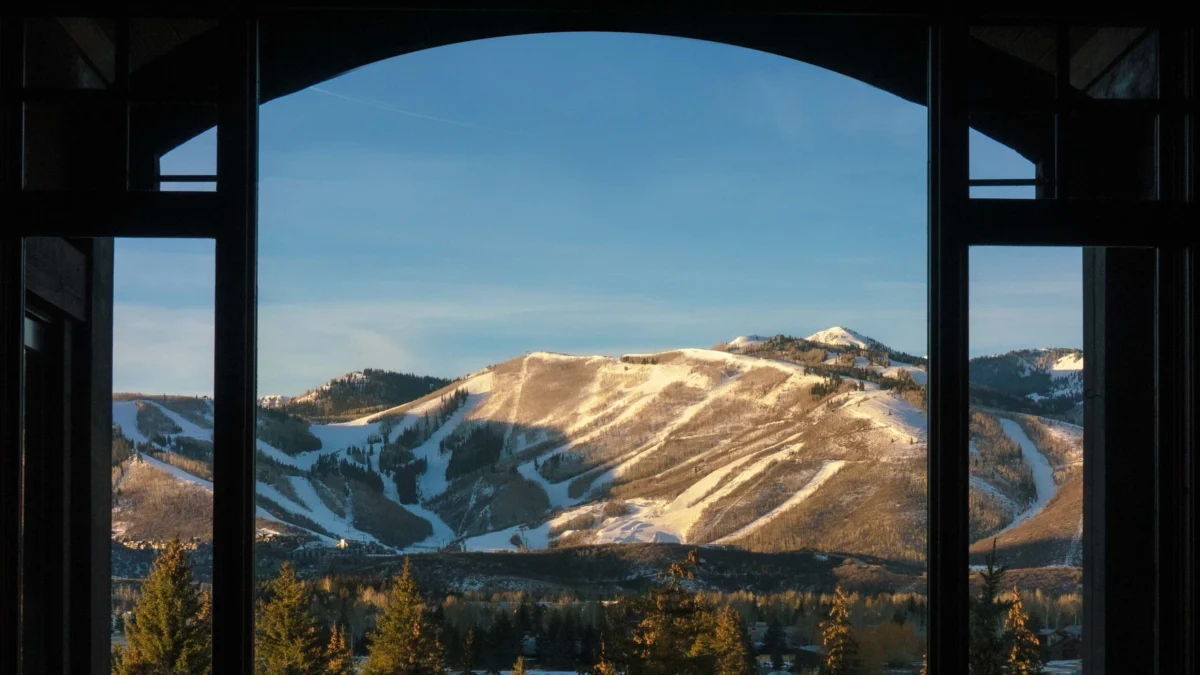
6. Park City, Utah
Park City is a "toss-up" in the best way possible. While Utah is not always the primary recipient of El Niño moisture, the strength of this specific cycle could nudge enough Pacific storms into the Wasatch range to make for an incredible late-season experience. Mid-to-late February through March is the optimal time to book, allowing the base to build up and the storms to pass through.

7. Alta Ski Area, Utah
Alta is a purist’s mountain. Famous for its light, dry powder and old-school culture, it sits at a high elevation in Little Cottonwood Canyon. While it is not the most obvious El Niño bet, the canyon’s ability to enhance moisture capture means that even a minor northward drift in the storm track could result in a legendary season.
Official Responses and Environmental Implications
While El Niño is a natural oscillation that happens every two to seven years, the scientific community is increasingly vocal about the role of climate change in amplifying these events. The warming of the tropical Pacific acts as a "force multiplier," and the resulting storms are not only more frequent but often more intense and volatile.
According to NOAA, while we look forward to the "snow gain" this season, we must acknowledge the "snow pain" associated with the unpredictability of these patterns. As global temperatures continue to rise, the traditional stability of winter seasons is being challenged, leading to shorter windows of consistent cold. This makes the ability to track and adapt to weather patterns more critical than ever for the sustainability of the ski industry.

Conclusion: A Season of High Hopes
The 2026–2027 winter season is shaping up to be one of the most interesting in recent memory. For the skier, this "Super" El Niño represents a high-stakes gamble with potentially high rewards. By staying informed, watching the long-range forecasts, and remaining flexible with travel dates, you can position yourself to take full advantage of the white gold that is predicted to fall across the southern and western ranges.
Pack your gear, keep an eye on the mountain-specific webcams, and prepare for what might be a winter that goes down in the record books. Whether you are looking for the steep chutes of Taos or the deep bowls of Mammoth, this is a year where the weather is definitely on your side.
 Suro Senen
 Lina Irawan
