

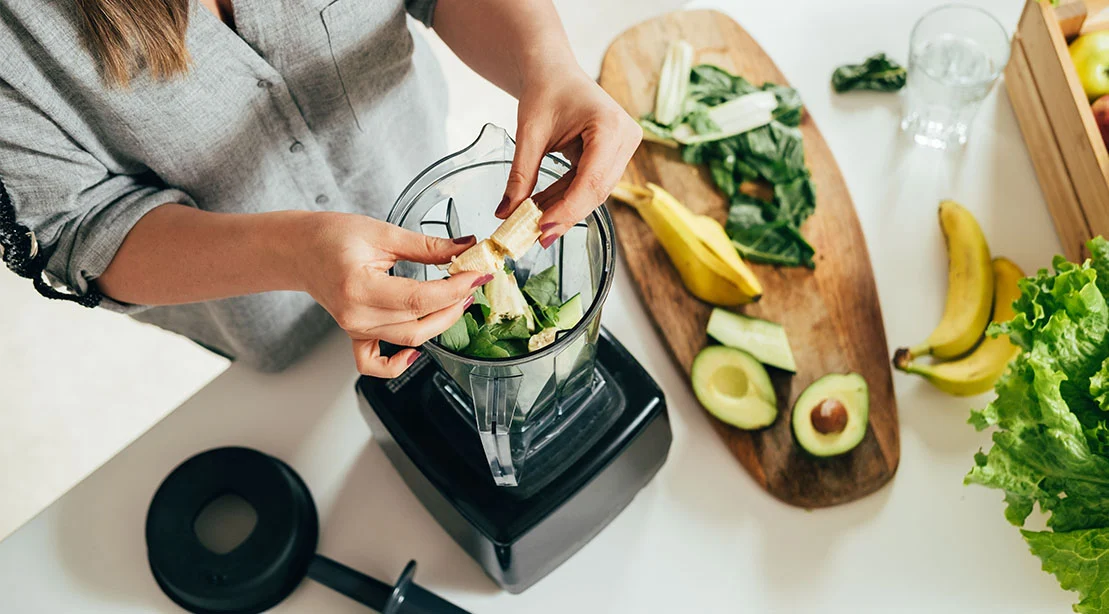
As the summer heat intensifies and training schedules demand peak performance, the blender has become the ultimate gym-bag staple. For athletes, bodybuilders, and fitness enthusiasts alike, the smoothie is more than just a quick snack—it is a critical tool for muscle repair, glycogen replenishment, and metabolic jump-starting. However, what is often perceived as a "nutritional hero" can, through common missteps, quickly devolve into a "problem child."
To ensure your daily blend serves your goals rather than hindering them, we must look beyond the generic "scoop and shake" routine and dive into the biochemistry of liquid nutrition. Here is how to engineer the perfect smoothie from the blades up.
The Caloric Calculus: Balancing Energy Demands
The primary appeal of a smoothie is its convenience, but convenience often masks the sheer density of liquid calories. While it is true that those pushing their physical limits in the gym require extra energy, it is easy to inadvertently create a "calorie bomb."
The "Satiety Gap"
A significant issue with liquid nutrition is the "satiety gap." Research consistently demonstrates that liquid calories do not trigger the same fullness signals as solid foods. If you consume 500 calories in a smoothie, your body does not register the same level of satisfaction it would from 500 calories of grilled chicken, rice, and vegetables.
For the average individual, a target of 400 calories per smoothie is the "sweet spot." If you are using your shake as a full meal replacement or following an exceptionally grueling "hero" workout, you have more wiggle room. However, beware of the "hidden" additions: two tablespoons of peanut butter (approx. 190 calories), two scoops of protein powder (approx. 240 calories), and a cup of full-fat yogurt (approx. 150 calories) can push a drink well over 600 calories before you’ve even added fruit.
The Banana Controversy: Unlocking Antioxidants
For decades, the banana has been the undisputed king of the smoothie world. Its texture, sweetness, and affordability make it an ideal base. However, recent research from the University of California, Davis, has introduced a significant caveat to our blender habits.
The Polyphenol Oxidase (PPO) Effect
The study revealed that adding bananas to a smoothie containing berries—such as blueberries, blackberries, or grapes—can drastically reduce your body’s ability to absorb flavanols. Flavanols are bioactive compounds crucial for cardiovascular health and cognitive function.
The culprit is an enzyme known as polyphenol oxidase (PPO). Bananas are naturally high in PPO, which, when blended, breaks down the flavanols in berries before you even take a sip. If your primary goal for a berry-based smoothie is to harness its antioxidant potential, the banana is effectively "deactivating" the health benefits.
Strategic Pivot: If you want to keep your smoothie creamy without sacrificing those antioxidants, swap the banana for lower-PPO alternatives. Mango, pineapple, and oranges provide excellent texture and natural sweetness without the enzymatic interference.
Macro-Architecting: Building the Ideal Blend
A truly effective smoothie is not merely a protein delivery system; it is a balanced macronutrient profile designed to fuel systemic recovery.
The Triad of Macros
- Carbohydrates: These are essential for replenishing glycogen stores depleted during intense training. Look beyond processed sugars and opt for complex sources like rolled oats, frozen berries, or even cooked sweet potato.
- Healthy Fats: Fats are necessary for nutrient absorption and sustained energy. Incorporate flax seeds, chia seeds, hemp hearts, avocado, or high-quality nut butters to provide a stable, slow-burning fuel source.
- Protein: The cornerstone of muscle protein synthesis. Whether you prefer whey, casein, or plant-based proteins, ensure your source is high-quality and free from unnecessary fillers.
The Hidden Danger of Emulsifiers
When selecting a protein powder, the ingredient label is often a minefield of industrial additives. Most commercial powders contain emulsifiers—gums like xanthan or guar, and other surfactants—designed to improve shelf-life and "mixability."
The Microbiome Connection
Recent studies suggest that frequent consumption of these additives may disrupt the gut microbiome. The gut is the command center for the immune system and nutrient absorption; chronic exposure to emulsifiers has been linked to increased inflammation, higher risks of metabolic syndrome, and cardiovascular issues.
If you are only drinking one shake a day, the risk is minimal. However, if your diet is already high in processed foods—such as protein bars, salad dressings, and shelf-stable breads—you may be exceeding safe thresholds. Seek out "clean label" brands like Drink Wholesome, Naked Nutrition, or Momentous, which prioritize ingredient transparency and omit these synthetic gums.
Sodium: The Underrated Recovery Tool
It is a common myth that all salt is bad. For the athlete, salt is an essential electrolyte. If you are engaging in heavy resistance training or endurance work, you are likely losing significant amounts of sodium through sweat.
Adding a pinch (approximately 1/8 teaspoon) of high-quality sea salt to your post-workout smoothie facilitates better water retention and rehydration. Because water follows sodium, this small addition helps pull fluids into your cells, effectively accelerating the recovery process. Note: If your base includes high-sodium ingredients like cottage cheese, skip the extra salt.
Sneaky Nutrition: The Case for Raw Vegetables
The modern diet is notoriously low in vegetables. The blender offers a tactical advantage: you can consume two servings of greens without the time-consuming process of chewing and cooking.
The Chemistry of Pureeing
Raw spinach, kale, and even cauliflower can be blended into a smoothie with minimal impact on flavor. Interestingly, a study in the journal Food Chemistry found that the process of pureeing raw spinach actually helps release more antioxidants from the leaves, making them more bioavailable than if they were eaten raw in a salad.
To mask the "green" flavor, pair these vegetables with strong, flavorful ingredients like cocoa powder, cinnamon, or frozen berries. The bitterness of the greens is quickly neutralized by the natural sweetness of fruit and the aromatic profile of quality spices.
Spices: The Antioxidant Powerhouse
If your smoothie tastes like cardboard, you’re doing it wrong. The spice rack is an underutilized resource for both flavor and health.
- Cinnamon: Helps regulate blood sugar levels.
- Ginger: A potent anti-inflammatory that aids digestion and reduces muscle soreness.
- Cayenne: Can boost metabolic rate and improve circulation.
- Cloves: Packed with manganese and antioxidants.
By integrating these spices, you elevate the nutritional profile of your shake from "functional" to "therapeutic."
The "Berry Cheesecake" Blueprint
To put these principles into action, consider this nutritionally dense, macro-balanced recipe:
- 1 scoop of vanilla whey or vegan protein (no gums).
- ½ cup of frozen raspberries or blueberries (avoiding bananas).
- ½ cup of cottage cheese (for casein protein and creaminess).
- 1 tbsp of flax seeds (healthy fats).
- 1 handful of baby spinach.
- ½ tsp of cinnamon.
- 1/8 tsp of sea salt.
- 1 cup of unsweetened almond milk.
Instructions:
- Pour the almond milk into the blender first to prevent the protein powder from sticking to the base.
- Add the spinach and cottage cheese, blending briefly to break down the greens.
- Add the frozen berries, protein powder, flax seeds, salt, and cinnamon.
- Blend on high until the consistency is uniform and creamy.
Conclusion: Implications for Longevity
Building the "perfect" smoothie is not just about aesthetics or flavor; it is about respecting the biological requirements of a body under stress. By minimizing PPO-rich ingredients when seeking antioxidants, avoiding synthetic emulsifiers, and leaning into the natural benefits of raw vegetables and spices, you transform your daily shake into a potent recovery tool.
The goal is to move away from the "liquid candy" mentality and toward a refined, nutrient-dense approach. When you treat your blender as a piece of medical equipment for your health, you aren’t just preparing a snack—you’re investing in your long-term physical performance.
 Lina Hope
 rifanmuazin
 Laily UPN
