

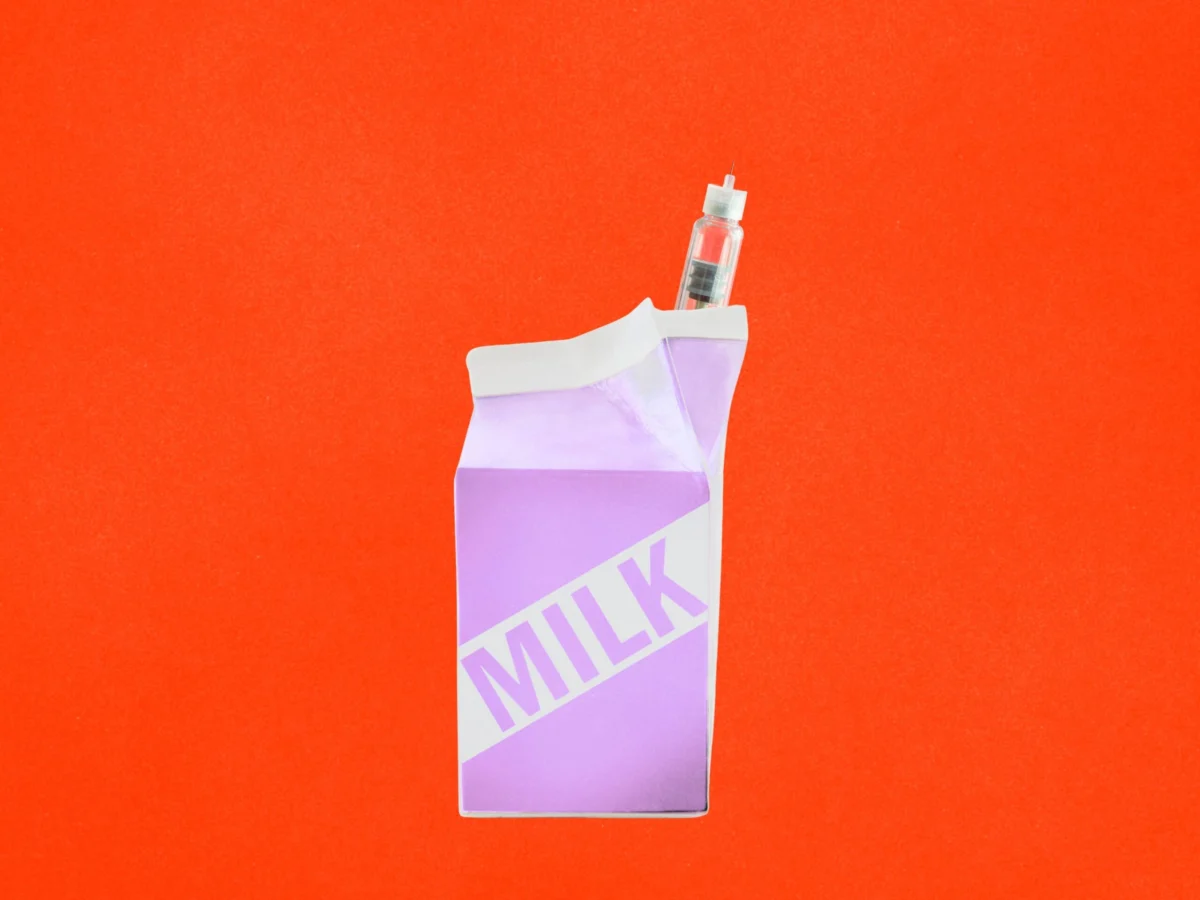
For many, the journey to weight loss is a public endeavor—a social media chronicle of gym sessions, caloric deficits, and dietary changes. But for a growing number of women, the journey is one of profound secrecy, played out in the quiet corners of the refrigerator and behind the closed doors of medicine cabinets. As GLP-1 receptor agonists like Wegovy and Ozempic reshape the landscape of obesity medicine, they have also birthed a clandestine subculture of users who feel compelled to hide their prescriptions from the people closest to them: their partners, their families, and even their primary care physicians.
The Anatomy of a Secret: A Case Study
Caroline, a 34-year-old resident of Montreal, offers a window into this hidden world. Her initial experience with Wegovy was transparent; she shared her progress with her boyfriend, mother, and friends as she dropped 30 pounds, returning to her “original” weight of 100 pounds. Despite her success, she was met with concern rather than celebration. Her loved ones, worried about the rapidity of her weight loss, urged her to stop.
“I had tried every way under the sun to lose weight,” Caroline explains. “I was really tired of trying.” At five feet four inches, she was not medically obese, and she feared her primary doctor would refuse to validate her desire for the drug. Her solution was a familiar one in the digital age: she sought a prescription via a remote telehealth provider, bypassing the traditional, often judgmental, gatekeeping of a primary care physician.
The results were swift, but the aftermath was complex. Upon stopping the medication, she regained 10 pounds in a single month. The realization was immediate: the drug was not just a tool, but a necessity for the body she desired. Today, Caroline is back on a maintenance dose, but she has opted for a radically different approach: total secrecy. Because she lives with her partner, who has expressed strong disapproval of the medication, she resorts to elaborate camouflage, stashing her cold-stored pens in the back of the refrigerator, often hiding them in plain sight during travel or visits to her in-laws. For Caroline, the "awkward" reality of hiding medicine in her in-laws’ fridge is a small price to pay for what she feels is the autonomy to control her own body.
A Chronology of Concealment
The rise of the "secret user" has tracked alongside the meteoric surge in GLP-1 popularity.
- The Initial Wave: When these medications first hit the mainstream, early adopters were often vocal about their use. However, as the conversation turned toward "cheating" or "lazy" weight loss, the narrative shifted.
- The Telehealth Explosion: The rise of platforms like Hers and Ro provided a low-friction pathway to access, allowing users to bypass the skepticism of local doctors who might be hesitant to prescribe weight loss drugs to patients without high BMIs.
- The Rise of the Subreddit Culture: Online communities, specifically forums like r/GLP1microdosing, became hubs for "hide-and-seek" tactics. Women began swapping tips on how to mask the appearance of medication packaging—using everything from tomato paste boxes and child-sized play food containers to butter stick boxes and empty probiotic bottles.
This is not merely a social quirk; it is a systematic response to a culture that remains deeply critical of how women achieve their desired weight.
Supporting Data and Psychological Drivers
The secrecy is rooted in a fundamental desire for autonomy. Dr. Kia Mitchell, a specialist in family and obesity medicine based in Jacksonville, Florida, notes that this phenomenon is a direct response to a lack of agency. "There’s this loss of control with the gaining of the weight, but being able to control the narrative around weight loss has been empowering," Dr. Mitchell says.
For many, the fear of judgment is not abstract; it is based on past experience. Users report that disclosing their use leads to unsolicited medical advice, lectures on lifestyle, or accusations of taking the "easy way out." One Reddit user, Vivid-Act-6442, noted that disclosure would simply invite "a series of lectures" from her husband, a prospect she finds more stressful than the secret itself.
Dr. Craig Primack, head of weight loss at Hers, highlights that this secrecy is often a defensive mechanism against the complex power dynamics within relationships. He notes that partners may feel threatened by the physical changes in their significant other, sometimes stemming from a subconscious jealousy or a fear that the user is becoming "more attractive" and thus harder to hold onto.
Medical Implications and Risks
While the psychological drive for secrecy is understandable, the medical risks are significant.
The Physician Gap
The most concerning implication is the breakdown of the patient-doctor relationship. When patients hide their GLP-1 use from their primary care physicians, they create a dangerous blind spot in their medical history. Drug interactions—such as the potential interference with medications like Accutane or Ritalin—go unmonitored.
Caroline, for instance, has resorted to using AI chatbots to cross-reference her medication dosages, a practice she admits is "probably not the best option." This trend signals a failure in the current healthcare system to provide a non-judgmental space for weight management, forcing patients to seek dangerous "DIY" medical solutions.
Physiological Hazards
Beyond interactions, there are systemic risks. Dr. Mitchell points to the existence of "GLP-1 babies"—conceptions that occur while on the medication due to shifting hormonal landscapes or improved fertility. Furthermore, the act of hiding creates a chronic state of stress. "When someone is trying to lose weight, we want their stress hormones to be as low as possible," Dr. Mitchell explains. "If you’re trying to hide medication, we’ll be fighting an uphill battle."
Official Responses and Clinical Guidance
Medical professionals are split on how to address this. While many doctors emphasize the importance of having a "cheering section," they acknowledge the reality of societal stigma. Dr. Rachel Goldman, a clinical psychologist specializing in weight management, suggests that the solution lies in reframing the conversation.
Dr. Goldman advises patients to focus on "I" statements, grounding their decisions in their own health and wellbeing rather than seeking external validation. Her recommendations include:
- Define the "Why": Before speaking, be clear about why the medication is being used and what it means for your health.
- Anticipate Reactions: Prepare for a partner’s initial shock, but remember that their reaction is a reflection of their own biases and may evolve over time.
- Set Boundaries: Clearly communicate what you need—whether it’s support, curiosity, or simply the space to manage your own health without commentary.
Conclusion: The Path Toward Honesty
The necessity of hiding medication in a box of anchovy paste or a child’s toy is a symptom of a broader societal failing. We live in a world that demands a specific body type but mocks the methods used to achieve it.
Telemedicine, while effective in removing the gatekeepers, has created a parallel, isolated health journey that encourages the "secret user." Moving forward, the goal for both patients and the medical community must be to bridge the gap between autonomy and transparency. As Dr. Goldman notes, "The goal isn’t to have a perfect conversation, but to open the door to more honesty, connection, and support over time." Until then, the refrigerators of the world will continue to hold more than just food—they will hold the quiet, complicated truths of women trying to manage their health on their own terms.
 Iffa Jayyana
 Lina Irawan
 Asro
Asro
